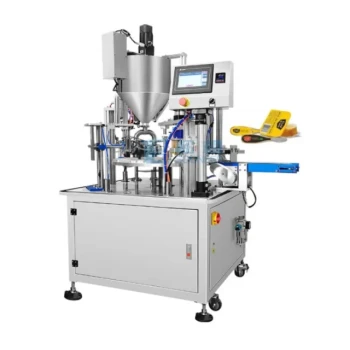
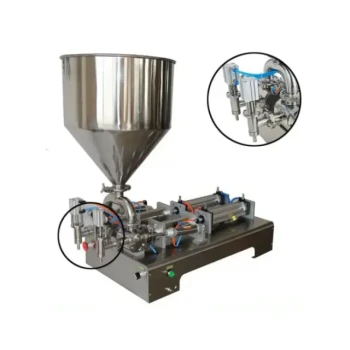
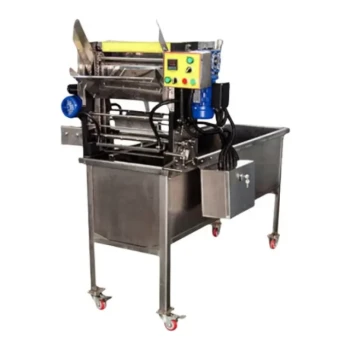
Automated honey-filling machines are the cornerstone of modern honey production, ensuring regulatory compliance through high-precision quantitative filling and maximizing shelf stability via hermetic, vacuum-sealed packaging. These systems utilize enclosed piping and advanced sensors to eliminate human contact and air exposure, which directly prevents secondary microbial contamination and oxidative spoilage. For distributors and wholesalers, this technology guarantees that every unit meets strict net-weight requirements and maintains its natural enzyme activity throughout the global supply chain.
Precision automation transforms raw honey into a standardized, export-ready asset by eliminating measurement variances and environmental exposure. By integrating vacuum technology and sterile filling environments, these machines ensure that product integrity remains uncompromised from the production line to the retail shelf.
Driving Regulatory Compliance through Precision Engineering
Accuracy in Net Weight and Labeling
Automated systems utilize high-precision weighing sensors and volumetric metering to ensure every container matches the labeled volume. This level of consistency is critical for distributors who must adhere to strict consumer protection laws regarding net-weight accuracy in international markets. By minimizing material loss and overfilling, these machines protect the profit margins of both the producer and the reseller.
Meeting International Hygiene and Safety Standards
The use of fully enclosed piping systems and anti-drip designs ensures that the honey never comes into contact with external contaminants or human operators. This controlled environment is essential for meeting global food safety regulations and passing the rigorous inspections required for entry into formal retail channels like supermarkets. Standardized packaging also facilitates easier tracking and traceability within the supply chain.
Standardization for Global Export
High-standard automated machinery allows for the consistent application of seals, which is a prerequisite for the global export market. Whether handling fluid blossom honey or high-viscosity chestnut honey, pre-heating temperature controls ensure the product flows correctly without damaging its chemical structure. This uniformity allows B2B partners to source large volumes with total confidence in product homogeneity.
Enhancing Shelf Stability and Product Integrity
Preservation of Natural Biochemical Properties
Automated filling is specifically designed to isolate honey from air contact, which is vital for preserving natural enzyme activities such as amylase and catalase. By utilizing vacuum sealing, the machines prevent the volatilization of delicate aromatic compounds, ensuring the honey retains its unique botanical profile. This preservation of bioactivity is a key selling point for premium, high-value honey products.
Mitigation of Physical and Chemical Degradation
The hermetic sealing technology prevents moisture absorption, which is the primary cause of fermentation and spoilage in honey. Furthermore, by reducing oxygen exposure, the equipment significantly slows down oxidative spoilage and unwanted color changes. This extends the effective shelf life of the product, allowing for longer storage durations in wholesale warehouses without loss of quality.
Consistency in Sensory Characteristics
Automated processes maintain the color and crystallinity of the honey by providing constant temperature filling tailored to specific viscosities. This ensures that the texture remains consistent across thousands of units, preventing the "stratification" that can occur with manual or poorly controlled filling. For resellers, this means fewer returns and higher consumer trust in the brand's reliability.
Understanding the Trade-offs
Equipment Complexity and Maintenance
While automation provides superior consistency, these machines require specialized technical expertise to maintain and calibrate. Incorrect calibration of the weighing sensors or temperature controls can lead to batch-wide non-compliance issues. For distributors, it is essential to partner with suppliers who utilize modern, well-maintained equipment to avoid supply chain disruptions.
Initial Investment vs. Market Reach
The high cost of advanced automated lines can be a barrier for smaller apiaries, but it is a necessary hardware investment for large-scale operations. Manual filling, while cheaper initially, often leads to secondary contamination and inconsistent volumes that exclude products from major retail exhibitions. Automation is the gatekeeper to high-volume, professional retail markets.
Strategic Sourcing for High-Volume Distribution
To ensure your inventory meets the highest standards of safety and stability, your sourcing strategy should prioritize suppliers who leverage advanced automation.
- If your primary focus is entering high-end retail markets: Prioritize products filled via vacuum-sealed, anti-drip systems to ensure the highest sensory quality and "shelf-pop" consistency.
- If your primary focus is international export and compliance: Seek suppliers using high-precision quantitative sensors to guarantee adherence to diverse net-weight regulations across different regions.
- If your primary focus is long-term shelf stability for bulk storage: Choose honey processed through fully enclosed, sterile piping systems to minimize the risk of fermentation and enzyme degradation.
By focusing on these technical benchmarks, distributors can build a robust, compliant, and highly marketable product portfolio.
Summary Table:
| Key Feature | Regulatory Compliance Impact | Shelf Stability Benefit |
|---|---|---|
| Precision Sensors | Guarantees net-weight accuracy for global trade | Minimizes overfilling and material waste |
| Vacuum Sealing | Meets hermetic packaging standards | Prevents oxidation and fermentation |
| Enclosed Piping | Ensures hygiene and food safety certification | Eliminates secondary microbial contamination |
| Thermal Control | Standardizes product homogeneity for export | Preserves natural enzymes and aromatic profile |
Scale Your Honey Business with HONESTBEE
Are you a distributor or wholesaler looking to enhance your supply chain reliability and profit margins? HONESTBEE is your premier one-stop sourcing partner, providing high-precision honey-filling machines, hive-making equipment, and a full spectrum of beekeeping consumables.
Why Partner with HONESTBEE?
- Comprehensive Portfolio: From industrial machinery to specialized hardware and cultural merchandise.
- B2B Excellence: Dedicated OEM/ODM support, rapid response times, and deep professional industry expertise.
- Efficient Fulfillment: Ultra-fast delivery to keep your inventory moving and your customers satisfied.
Ready to upgrade your production standards and secure your market position? Contact HONESTBEE Today to explore our wholesale solutions!
References
- Vinod Patange, Vilas Jagtap. Review of recent trends about Honey and their varieties. DOI: 10.63778/pdeasijraas-arjcpl/2022_22821
This article is also based on technical information from HonestBee Knowledge Base .
Related Products
- Fully Automatic Honey Filling Packaging Machine for Processing Line
- Automatic Honey Filling and Filtering Machine for Beekeeping Bottle Filling
- Precision Durable Efficient HONESTBEE Rotary Honey Filling Machine
- Precision Automated Packaging Turntable Honey Spoon Filling Sealing Packing Machine
- Semi Automatic Small Honey Bottle Filling Machine Honey Filler
People Also Ask
- Why are fully automatic honey filling and packaging lines essential? Boost Your Honey's Market Value and Quality
- What is a fully-automatic honey filler? Streamline Your Production with High-Precision Automation
- How do automated honey filling and packaging machines affect profitability? Boost Margins with HONESTBEE Technology
- How do automated honey filling and packaging machines contribute to the market value of honey products? Maximize Your ROI
- How do industrial-grade automated honey filling and packaging machines mitigate the risk of physical contamination?