Heavy filtration is strictly optional and generally unnecessary. For small-scale or home-based honey production, you do not need to employ industrial-grade filtration or pasteurization methods. You can produce a safe, high-quality product that retains its natural characteristics without these complex processing steps.
Commercial producers often filter honey to delay crystallization and create a uniform appearance, but these are aesthetic choices rather than safety requirements. For the home beekeeper, raw honey is a stable, high-quality product that does not require heavy processing to remain edible.
The Role of Filtration in Beekeeping
Commercial Standards vs. Home Quality
Large-scale honey producers use heavy filtration primarily to remove microscopic particles. Their goal is often to create a product that looks identical in every jar and stays liquid on the grocery store shelf for months or years.
However, this level of processing is not a prerequisite for quality. As a home producer, your goal is likely flavor and authenticity rather than mass-market uniformity.
Preserving Natural Characteristics
When you avoid heavy filtration, you leave the honey in its "raw" state. This preserves the unique elements that define specific harvests, such as local pollen traces.
According to beekeeping standards, raw honey produced without these industrial processes remains a high-quality product. It retains the integrity that many consumers actually prefer over highly processed alternatives.
Stability and Shelf Life
Intrinsic Shelf Stability
A common misconception is that filtration is necessary to prevent spoilage. This is incorrect. Honey is naturally shelf-stable due to its chemical composition.
As long as the moisture content is correct, raw, unfiltered honey will not spoil. It does not require pasteurization to remain safe for consumption.
The Reality of Crystallization
The most noticeable side effect of skipping heavy filtration is physical, not chemical. Raw honey will eventually crystallize (turn solid or gritty).
This is a natural process and does not indicate spoilage. Many enthusiasts view crystallization as a sign of quality, proving the honey hasn't been overheated or over-processed.
Understanding the Trade-offs
Aesthetics vs. Authenticity
If you choose not to filter heavily, your honey may appear cloudy rather than clear. It will likely contain small bits of wax or pollen.
While this results in a more authentic product, it lacks the "glass-like" clarity found in supermarket brands. You must decide if visual perfection is more important than natural composition.
Texture Management
Unfiltered honey will solidify faster than filtered honey. This means you or your customers may eventually need to gently warm the jar to return it to a liquid state.
If you require your honey to remain liquid for extended periods without intervention, the lack of filtration becomes a logistical trade-off you must manage.
Making the Right Choice for Your Production
Deciding on your filtration level depends on what you value most in your final product.
- If your primary focus is maximizing natural quality: Avoid heavy filtration to preserve the raw characteristics and inherent value of the honey.
- If your primary focus is visual clarity: Be aware that while filtration achieves a clearer look, it is an aesthetic step that is not required for safety or stability.
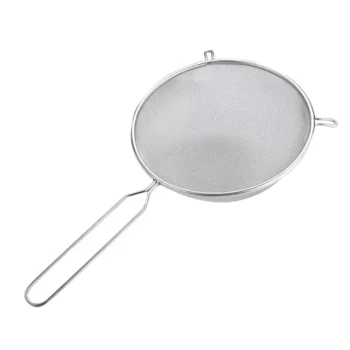
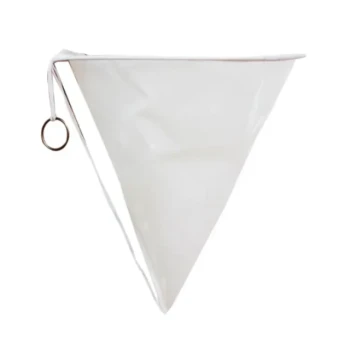
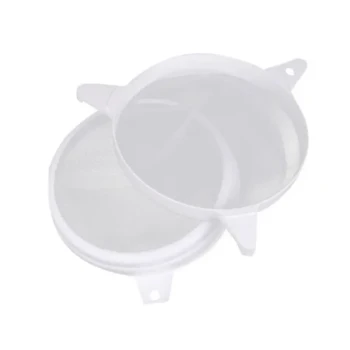
Your honey is ready to enjoy simply by letting gravity and a coarse strainer do the work, saving you time and preserving the harvest's integrity.
Summary Table:
| Feature | Raw/Lightly Filtered Honey | Heavily Filtered Honey |
|---|---|---|
| Processing | Coarse straining (wax/debris removal) | High-pressure, fine filtration |
| Natural Elements | Preserves pollen and enzymes | Removes most pollen and microscopic particles |
| Appearance | May be cloudy or contain natural traces | Perfectly clear and glass-like |
| Crystallization | Occurs naturally and faster | Significantly delayed |
| Primary Goal | Authenticity and natural flavor | Aesthetic uniformity and shelf stability |
Elevate Your Honey Production with HONESTBEE
Whether you are a growing commercial apiary or an equipment distributor, HONESTBEE provides the professional-grade tools you need to bridge the gap between artisanal quality and efficient production. We supply a comprehensive range of beekeeping machinery—from precision honey-filling machines to specialized hive-making equipment—designed to help you scale your business while maintaining the integrity of your harvest.
Our wholesale portfolio covers everything from essential hardware to honey-themed cultural merchandise, catering specifically to the needs of the modern beekeeping industry.
Ready to upgrade your operation? Contact HONESTBEE today to discover how our high-performance equipment and global supply chain can maximize your output and value.
Related Products
- Electric Double Wall Honey Filtering Machine Purifier Equipment for Honey Processing Plant
- Professional Stainless Steel Honey Filtering Machine with Water Bath Heating for Beekeeping
- 0.5T Capacity Honey Dehumidifier Dryer with Vacuum Heating and Thickening Filtering Machine
- Honey Concentrating and Filtering Dehumidifier Machine 2T Capacity for Honey
- Professional Stainless Steel Honey Filter with Support Handle
People Also Ask
- What types of equipment are used in honey filtering? Build an Efficient System for Pure, Marketable Honey
- What is the process of filtering honey? A Guide to Clean, Pure, and Market-Ready Honey
- What is the overall importance of using the right equipment in honey filtering? Boost Quality & Marketability
- What is a potential concern associated with filtering honey? Balancing Clarity and Pollen Preservation
- What role do professional honey harvesting and filtering equipment play in meeting honey market quality standards? Boost ROI