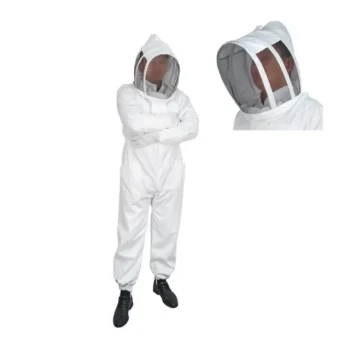
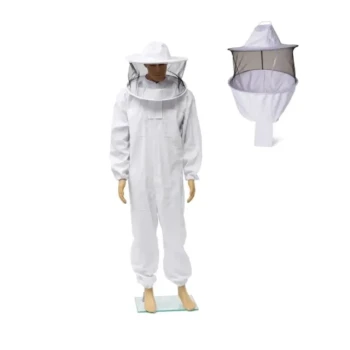
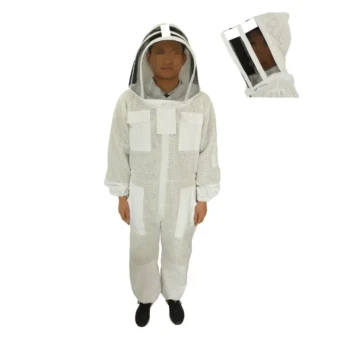
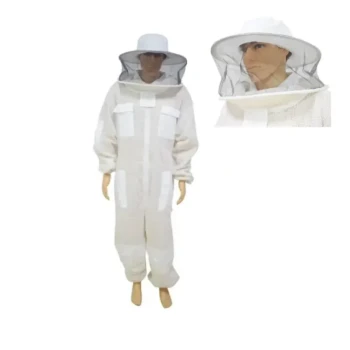
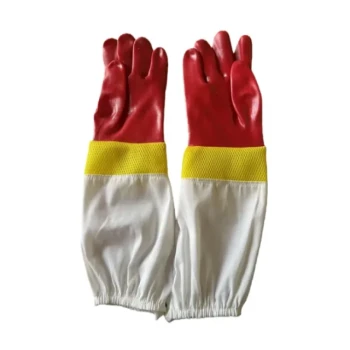
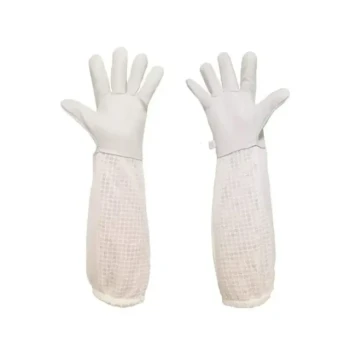
For the vast majority of new beekeepers, a full beekeeping suit is the recommended choice. It offers comprehensive, head-to-toe protection that allows a novice to focus entirely on learning hive mechanics without the distraction of potential stings. A full suit is practically mandatory if you live in an area with defensive bee populations, such as Africanized Honey Bees.
The most important tool for a new beekeeper is confidence. A full suit provides the psychological security required to remain calm and move deliberately, which is essential for managing a colony without agitating it.
The Case for Starting with a Suit
Comprehensive Protection
As a beginner, you are still learning how to manipulate frames and manage the hive without crushing bees. Mistakes are inevitable during this learning curve.
A full suit covers the entire body, minimizing the risk of stings significantly more than a jacket. This "armor" allows you to observe the bees closely without flinching, which is critical for mastering the craft.
Psychological Security
Fear is a natural reaction to being surrounded by thousands of stinging insects. If you are nervous, you may move jerkily or sweat excessively, which can alarm the bees.
Wearing a full suit helps mitigate this anxiety. By removing the fear of lower-body stings, you can maintain the slow, Zen-like demeanor required for successful beekeeping.
Defensive Bee Populations
In certain geographical regions, bees may exhibit more aggressive behavior. If you are in an area known for Africanized Honey Bees or other defensive strains, leg protection is not optional.
In these scenarios, a jacket leaves you vulnerable to serious injury. A full suit is the only responsible choice for ensuring your safety against aggressive colonies.
Understanding the Trade-offs
Heat Management vs. Safety
Beekeeping is often performed in warm weather, and protective gear can become hot. A jacket offers better ventilation and is generally cooler than a full body suit.
However, the trade-off for this comfort is exposure. You must weigh your tolerance for heat against your tolerance for risk; for a beginner, safety usually outweighs comfort.
Convenience vs. Coverage
Jackets are easier to put on and take off, making them attractive for quick inspections or experienced beekeepers performing minor tasks.
The downside is the "gap" at the waist. Unlike a suit, which is a sealed unit, a jacket requires you to be vigilant about your pants and waistband to ensure bees cannot crawl underneath the fabric.
Essential Features for Any Gear
Fabric Density
Whether you choose a suit or a jacket, the material quality is paramount. Look for thick cotton or cotton/polyester blends dense enough to prevent a stinger from penetrating.
If you are in a hot climate, consider ventilated garments made from layers of vinyl or polyester mesh. These provide a physical barrier while allowing airflow.
Secure Closures
Bees are experts at finding small openings. Ensure the gear has snug elastic or Velcro closures at the wrists, ankles (for suits), and waist.
Thumb loops are a highly desirable feature. They prevent your sleeves from riding up and exposing your wrists while you are lifting boxes or working frames.
Veil and Zipper Integrity
The hood and veil are your primary defense for your face. The mesh should be non-glare and constructed to stay away from your nose and skin.
Check for durable metal zippers and Velcro flaps that cover the zipper ends. A single gap in a zipper fold is enough for a stray bee to enter.
Making the Right Choice for Your Goal
The "right" gear is whatever makes you feel safe enough to work the hive calmly.
- If your primary focus is building confidence and maximizing safety: Choose a full suit to eliminate worry about lower-body stings while you learn.
- If your primary focus is heat management and you have low fear: A jacket may suffice, provided you wear thick pants and are comfortable with a higher level of exposure.
- If your primary focus is working with known aggressive genetics: You must choose a full suit to ensure adequate protection.
Regardless of your choice, remember that protective clothing reduces risk but does not guarantee immunity from stings; caution is always necessary.
Summary Table:
| Feature | Full Beekeeping Suit | Beekeeping Jacket |
|---|---|---|
| Protection Level | Maximum (Head-to-Toe) | Moderate (Upper Body Only) |
| Confidence Factor | High - Ideal for Novices | Medium - Requires Experience |
| Heat Management | Retains More Heat | Better Ventilation/Cooler |
| Convenience | Slower to Put On | Quick & Easy to Wear |
| Risk Profile | Sealed Unit (Minimal Gaps) | Risk of Bees Crawling Under Waist |
| Best For | Beginners & Defensive Bees | Experienced Beekeepers & Quick Checks |
Elevate Your Apiary with Professional-Grade Gear
Whether you are a commercial apiary scaling up or a distributor seeking high-quality supplies, HONESTBEE is your premier partner. We offer a comprehensive wholesale portfolio ranging from ventilated beekeeping suits and durable jackets to industrial hive-making machinery and honey-filling equipment.
Our Value to You:
- Complete Wholesale Solutions: One-stop shop for all tools, machinery, and industry consumables.
- Expert Quality: Gear designed for both maximum protection and long-term durability.
- Market Diversity: From specialized hardware to honey-themed cultural merchandise.
Ready to equip your business with the best in the industry? Contact HONESTBEE Today to discuss your wholesale needs and receive a tailored quote.
Related Products
- Premium Cotton Beekeeper Suit with Reinforced Fencing Veil
- Professional Cotton Beekeeper Suit with Round Veil Design for Commercial Apiaries
- Professional Beekeeper Suit with Square Folding Cotton Veil
- White Cotton Beekeeping Jacket and Veil for Bee Keepers
- Vented Beekeeping Jacket with Hood and Veil for Beekeepers
People Also Ask
- What material and design specifications are recommended for a high-quality beekeeper suit? Top Gear Selection Guide
- How to Pre-treat Propolis Stains on Beekeeping Suits? Master Advanced Fabric Care and Soil Removal
- What features should be considered for sting protection in a beekeeping suit? Ensure Total Safety and Comfort
- What are the differences between full suits and jackets with veils in beekeeping? Choose Your Best Protection
- What features should be looked for in a beekeeping suit for maximum comfort? Prioritize Ventilation and Fit