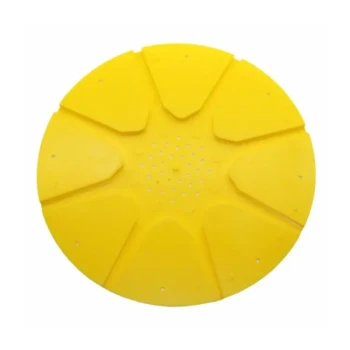
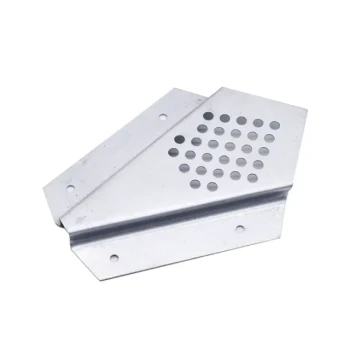
Ideally, a triangle escape board is utilized during cooler temperatures, as this triggers the colony's natural instinct to move downward into the brood chamber to cluster for warmth. For the device to function effectively, the honey super must also be entirely free of brood, and the board should remain in place for roughly 24 hours.
The Core Insight Success with a triangle escape board relies on biology, not force. It works best when you align your harvest with the bees' natural desire to vacate upper boxes for the warmth of the lower hive, rather than relying solely on the mechanical "maze" to clear them out.
The Mechanism of Action
Leveraging Thermal Dynamics
The triangle escape board functions most efficiently when the ambient temperature drops, such as during the cool hours of the evening or night.
Bees are thermoregulators; when temperatures cool, they naturally migrate downward toward the brood nest to maintain colony heat.
By installing the board before a cool night, you utilize this natural vertical movement to clear the supers passively.
The One-Way Valve
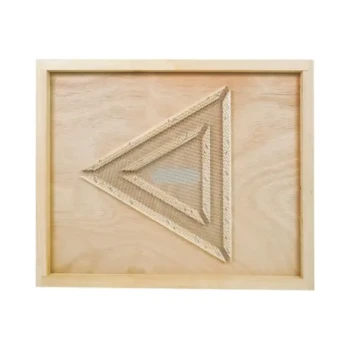
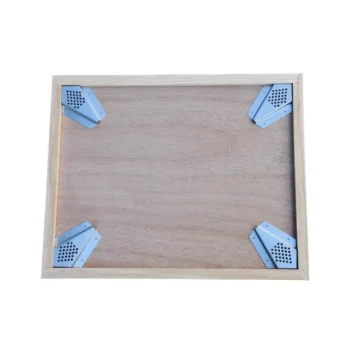
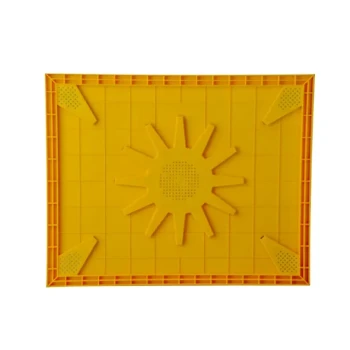
The board creates a physical separation between the honey super and the brood chamber using a triangle maze design.
Because of how bees navigate, they can easily find their way down through the exits but cannot figure out how to navigate the maze back up.
This turns the board into a one-way check valve, trapping bees in the lower boxes once they descend.
Critical Conditions for Success
The "No Brood" Rule
The single most common failure point is the presence of brood in the honey super.
Nurse bees are biologically programmed to stay with the brood to feed and warm it.
If there are eggs or larvae in the upper box, the nurse bees will refuse to leave, regardless of the temperature or the escape board's design.
Proper Orientation
Gravity and geometry are essential for the board to work.
You must install the board with the triangle side facing down (toward the bottom of the hive) and the flat surface facing up.
If inverted, the maze mechanism is rendered useless, and bees will simply remain in the super.
The 24-Hour Window
Patience is required, as this is a slow-acting tool compared to chemical fumes or blowers.
The board typically requires an overnight period—up to 24 hours—to allow the colony enough time to cycle down through the escapes.
Common Pitfalls to Avoid
The Risk of Extended Use
While patience is necessary, leaving the board on for too long (beyond 24 hours) is counterproductive.
Given enough time, bees are intelligent enough to eventually figure out the maze or find an alternate route back into the super.
Incomplete Clearing
Do not expect a 100% bee-free box every single time.
While highly effective, it is common for a few stragglers to remain, necessitating the use of protective gear during harvest.
Making the Right Choice for Your Goal
Before installing a triangle escape board, assess your specific situation to ensure it aligns with the tool's capabilities.
- If your primary focus is a chemical-free harvest: This is the ideal tool, provided you have cooler weather and can wait overnight for the bees to clear.
- If your primary focus is speed: You should consider active removal methods (like blowers), as the escape board requires a full 24-hour cycle to function.
- If your primary focus is clearing supers with brood: This tool will fail; you must manually shake bees off frames, as nurse bees will not abandon brood.
Harness the bees' natural behavior during cool nights for the cleanest, calmest honey harvest possible.
Summary Table:
| Condition | Requirement | Why it Matters |
|---|---|---|
| Temperature | Cooler (Evening/Night) | Bees naturally move down to the brood nest for warmth. |
| Brood Status | 100% Brood-Free Super | Nurse bees will refuse to abandon eggs or larvae. |
| Orientation | Triangle Side Down | Ensures the one-way maze mechanism functions correctly. |
| Duration | 12 - 24 Hours | Provides enough time for the colony to cycle out of the super. |
| Harvest Method | Passive / Chemical-Free | Ideal for beekeepers avoiding fumes or loud blowers. |
Streamline Your Harvest with HONESTBEE Professional Equipment
At HONESTBEE, we understand that a successful harvest relies on the right tools and biological insights. Whether you are a commercial apiary or a distributor, we provide a comprehensive range of high-quality beekeeping machinery—from precision hive-making equipment to advanced honey-filling lines and essential consumables.
Why partner with us?
- Wholesale Excellence: Full spectrum of specialized hardware for large-scale operations.
- Industry Expertise: Reliable tools designed to work with honeybee behavior.
- Global Supply: Supporting beekeeping businesses and cultural merchandise distributors worldwide.
Ready to scale your production? Contact us today to explore our wholesale catalogs and discover how HONESTBEE can elevate your apiary's efficiency!
Related Products
- HONESTBEE Wooden Bee Escape Board with Triangle Mesh Design for Beekeeping
- HONESTBEE 4-Way Metal Corner Wooden Bee Escape Board
- HONESTBEE Multi Exit Plastic Bee Escape Board for Efficient Honey Harvesting
- High-Efficiency Diamond Maze Bee Escape for Clearing Supers
- Professional Cone Style Bee Escape for Efficient Honey Harvesting
People Also Ask
- How is a bee escape board used to clear a hive body for honey harvesting? Optimize Your Chemical-Free Harvest
- What is a bee escape board and what problem does it solve? Simplify Your Honey Harvest with Passive Clearing
- How is a bee escape board used and how does it function? Master This Gentle Honey Harvesting Tool
- What are the proper steps for using a bee escape board for honey harvesting? Master the Passive Clearing Technique
- What tools and methods are used to clear honey bees from honey supers? Efficient Harvesting for Commercial Beekeepers