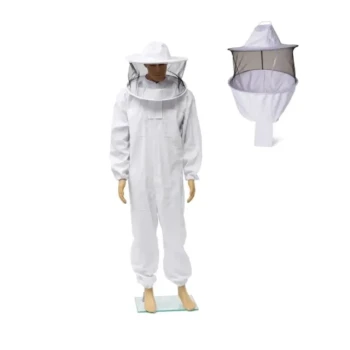
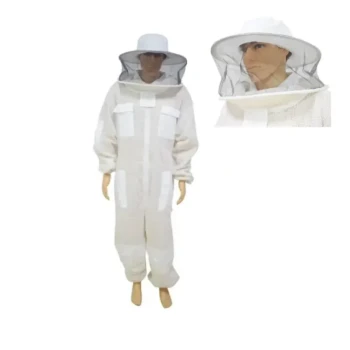
When selecting a beekeeping suit, prioritize features that allow for a customized fit and practical durability, specifically adjustable zippers, drawstrings, and elasticized waistbands. Additionally, look for suits with reinforced knees to withstand wear during hive inspections and multiple pockets for essential tool storage.
A high-quality beekeeping suit must do more than block stings; it must offer enough comfort and mobility to allow you to work calmly and efficiently, reducing the likelihood of agitating the hive.
Optimizing Fit and Mobility
The most effective suit is one that fits securely without restricting movement. If a suit shifts or gaps, your protection is compromised.
Adjustable Fasteners
Look for adjustable zippers and drawstrings. These allow you to tighten or loosen the suit based on the layers you are wearing underneath, ensuring a proper seal every time.
Elasticized Waistbands
An elasticized waistband is critical for distributing the weight of the suit comfortably. It also helps maintain a tailored fit that prevents the suit from snagging on hive equipment.
Easy Entry and Exit
Select a suit with extra-long leg zippers. This practical feature allows you to put the suit on and take it off without removing your boots, which is a significant time-saver.
Enhancing Durability and Utility
Beekeeping is physical labor that involves kneeling, lifting, and handling sharp tools. Your gear must be constructed to handle this environment.
Reinforced Knees
The knee area is the most common point of failure in standard suits. Choose a suit with reinforced knees (often a double layer of fabric) to prevent tears and extend the life of the garment.
Strategic Storage
Ensure the suit has multiple pockets. You need accessible storage for hive tools, queen cages, and markers so you don't have to walk away from an open hive to retrieve supplies.
Heavy-Duty Construction
Look for double-stitched seams. This construction method prevents the fabric from pulling apart under tension, ensuring the suit remains bee-tight over years of use.
Ensuring a Secure Seal
The primary goal is to prevent bees from entering the suit. The closure points are the most vulnerable areas.
Overlapping Zippers
High-quality suits feature overlapping zippers, particularly at the chest and veil connection. This creates a flap that covers the zipper teeth, eliminating the tiny gaps where bees often try to crawl through.
Wrist and Ankle Protection
Check for tight, high-quality elastic bands and Velcro at the wrists and ankles. These must fit snugly to prevent bees from crawling up your sleeves or pant legs.
Glove-Friendly Operations
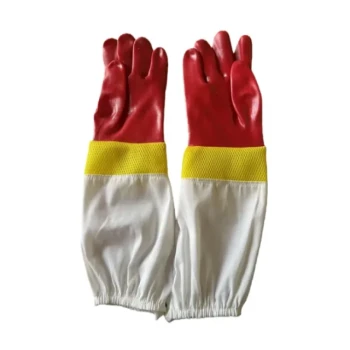
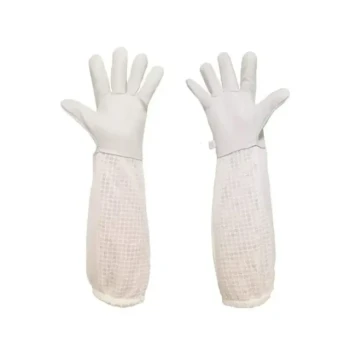
Look for zippers with large pull rings. Standard zipper tabs are difficult to grasp when wearing thick leather beekeeping gloves.
Understanding the Trade-offs
No single suit is perfect for every environment. You must balance material weight against protection and heat management.
Material Selection: Cotton vs. Synthetic
Cotton is soft and breathable, making it comfortable for short durations, but it offers less sting protection than thicker materials. Polycotton blends offer a middle ground, merging cotton's comfort with the durability of synthetic fibers.
The "Sting-Proof" Ventilated Option
Triple-layer ventilated fabrics (often synthetic) provide the highest protection and airflow, keeping you cool in the heat. However, these suits are significantly heavier and more expensive than single-layer cotton options.
Sizing and Safety
A suit that is too tight brings the fabric in contact with your skin, allowing bees to sting through it. Conversely, a suit that is too baggy can be cumbersome. Aim for a loose fit—generally one size larger than your street clothes—to ensure a safety gap between the mesh and your skin.
Making the Right Choice for Your Goal
Select the features that align with your specific beekeeping environment.
- If your primary focus is working in high heat: Prioritize a ventilated, triple-layer suit to maximize airflow and minimize heat exhaustion.
- If your primary focus is longevity and frequent use: Choose a polycotton blend with reinforced knees and double-stitched seams for maximum durability.
- If your primary focus is budget and short inspections: A standard cotton suit with good elastic seals will provide sufficient protection for quick tasks.
Invest in the best protection you can afford, as feeling safe allows you to be a calmer, more effective beekeeper.
Summary Table:
| Feature | Key Benefit | Ideal For |
|---|---|---|
| Reinforced Knees | Prevents tears during hive inspections | Frequent use & durability |
| Adjustable Fasteners | Ensures a secure, custom seal | Varying under-layers |
| Triple-Layer Mesh | High sting protection & airflow | Hot climates & safety |
| Overlapping Zippers | Eliminates gaps at closure points | Maximum bee-tight security |
| Large Pull Rings | Easy operation with gloves on | Efficient field work |
Elevate Your Apiary's Safety Standards with HONESTBEE
At HONESTBEE, we understand that high-quality protective gear is the backbone of a successful beekeeping operation. Whether you are a commercial apiary looking for durable, heavy-duty suits or a distributor seeking a reliable wholesale partner for beekeeping tools and machinery, we have you covered.
Our extensive portfolio includes everything from triple-layer ventilated suits and specialized hardware like honey-filling machines to essential consumables. Partner with us to provide your team or customers with gear that combines professional-grade protection with all-day comfort.
Ready to upgrade your equipment?
Contact HONESTBEE Today for Wholesale Solutions
Related Products
- Premium Cotton Beekeeper Suit with Reinforced Fencing Veil
- Professional Cotton Beekeeper Suit with Round Veil Design for Commercial Apiaries
- Professional Beekeeper Suit with Square Folding Cotton Veil
- Vented Beekeeping Jacket with Hood and Veil for Beekeepers
- White Cotton Beekeeping Jacket and Veil for Bee Keepers
People Also Ask
- What material and design specifications are recommended for a high-quality beekeeper suit? Top Gear Selection Guide
- How to Pre-treat Propolis Stains on Beekeeping Suits? Master Advanced Fabric Care and Soil Removal
- What features should be considered for sting protection in a beekeeping suit? Ensure Total Safety and Comfort
- What are the differences between full suits and jackets with veils in beekeeping? Choose Your Best Protection
- What features should be looked for in a beekeeping suit for maximum comfort? Prioritize Ventilation and Fit