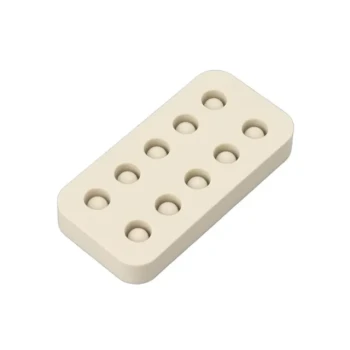
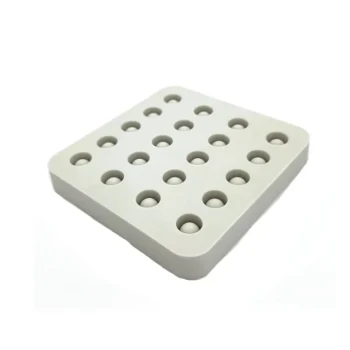
Commercial Plastic Cell Cups provide superior consistency and operational efficiency compared to natural wax alternatives during the grafting stage. They offer uniform dimensions for rapid installation on base bars, reusable surfaces for improved hygiene, and physical characteristics that effectively simulate natural cells to ensure high larval acceptance rates while simplifying the extraction process.
The Core Takeaway shifting from natural materials to plastic or acrylic cell cups transforms grafting from a variable, labor-intensive craft into a standardized industrial process. This switch allows producers to scale operations by ensuring durability, hygiene, and consistent larval acceptance without the constant need to manufacture consumable wax cups.
Standardization and Workflow Efficiency
The most immediate advantage of Commercial Plastic Cell Cups is the elimination of physical variability.
Uniform Physical Specifications
Natural wax cups can vary slightly in shape or thickness depending on how they are molded. Plastic cups are manufactured to precise, identical specifications. This uniformity ensures that every cup fits perfectly onto the grafting frame base bars every time.
Rapid Installation
Because the physical dimensions are standardized, the installation process is significantly faster. Producers do not need to adjust or fiddle with delicate wax structures. This speed is crucial for large-scale industrial production, where thousands of cups are handled daily.
Hygiene and Reusability
While wax cups are often treated as consumables, plastic cups are designed as durable, long-term tools.
Ease of Cleaning
The smooth surfaces of plastic and acrylic cups prevent royal jelly and debris from sticking stubbornly to the walls. This feature simplifies the washing process significantly compared to the porous or fragile nature of wax.
High Hygiene Standards
Plastic materials allow for thorough disinfection after harvest. This capability helps maintain a sterile environment across production cycles, reducing the risk of disease transmission between hives—a critical factor in maintaining colony health during intensive production.
Reusability
Unlike wax cups, which may be damaged during harvest or discarded after use, plastic cups are highly durable. They can be reused across many seasons, reducing the long-term material costs and the labor associated with constantly molding new wax cups.
Optimization for Biological Acceptance
For a cell cup to be effective, the worker bees must accept the grafted larva and begin depositing royal jelly.
Simulating Natural Characteristics
Despite being synthetic, high-quality plastic cups are engineered to effectively simulate the physical characteristics of natural queen cells. This design ensures that the bees do not reject the cup as a foreign object.
High Acceptance Rates
Primary references indicate that because these cups mimic the natural environment so well, they achieve a high acceptance rate of grafted larvae by worker bees. While wax has a natural material affinity, modern plastic cups bridge this gap through precise engineering.
Streamlining the Harvest
The advantages of plastic extend beyond the grafting phase and into the extraction of the final product.
Simplified Extraction
The structural rigidity and smooth interior of plastic cups make the royal jelly extraction process smoother. The cups do not deform under the pressure of handling, allowing for more efficient automated or manual harvesting of the jelly.
Efficient Accumulation
Acrylic cups provide a standardized base space that facilitates the accumulation of royal jelly. Because the bees build wax onto the plastic rim rather than the base itself, the reservoir for the jelly remains distinct and accessible.
Understanding the Trade-offs
While plastic cups offer industrial efficiency, it is important to acknowledge the context of their use.
Material Affinity
Natural wax possesses an inherent "material affinity" that creates the most biologically natural starting point for bees. Plastic relies on simulation to achieve this. Producers must ensure they use high-quality commercial cups designed specifically for this purpose to match the acceptance rates of wax.
Initial Investment vs. Consumables
Plastic cups represent an upfront asset investment, whereas wax cups are an ongoing operational consumable. The cost benefit of plastic is realized over time through reuse and labor savings, rather than immediate material savings.
Making the Right Choice for Your Goal
The decision between plastic and wax often depends on the scale of your operation.
- If your primary focus is Industrial Scalability: Choose Commercial Plastic/Acrylic Cups to maximize throughput, ensure hygiene consistency, and reduce the labor required for cup preparation.
- If your primary focus is Traditional Authenticity: Choose Wax Cups if you are running a small-scale operation where using 100% natural materials is a specific marketing requirement or personal philosophy.
Ultimately, for any operation aiming for high efficiency and volume, plastic cell cups offer the necessary durability and standardization to turn royal jelly production into a reliable business process.
Summary Table:
| Feature | Commercial Plastic Cell Cups | Natural Wax Cups |
|---|---|---|
| Consistency | Precision-molded, identical dimensions | Variable shape and thickness |
| Installation | Rapid, standardized fit | Labor-intensive manual adjustment |
| Durability | High; reusable for many seasons | Low; often single-use or fragile |
| Hygiene | Easy to disinfect and clean | Harder to sterilize; porous |
| Acceptance | High (engineered simulation) | Natural affinity |
| Scale | Best for industrial production | Best for small-scale/traditional |
Maximize Your Royal Jelly Yield with HONESTBEE
Transitioning to high-efficiency production requires the right tools. HONESTBEE provides commercial apiaries and distributors with premium beekeeping machinery and standardized cell cups designed to scale your operations. From specialized hive-making equipment to advanced honey-filling machines, we supply the full spectrum of hardware and consumables needed for industrial success.
Ready to enhance your apiary's efficiency and hygiene standards? Contact us today for wholesale solutions and let us help you turn your production into a reliable, high-volume business process.
References
- Jessica Carolina Camargo López, Vagner de Alencar Arnaut de Toledo. Horizontal and vertical colonies for royal jelly production in Brazil. DOI: 10.37496/rbz5120210043
This article is also based on technical information from HonestBee Knowledge Base .
Related Products
- JZBZ Type Wide Base Plastic Queen Cell Cups for Base Mounting and Queen Rearing
- Clear Black Plain Polystyrene Queen Bee Grafting Cell Cups No Lug for Bee Queen Cup
- Brown Nicot Queen Cell Cups for Breeding Queen Bees Beekeeping
- 10-Cell Silicone Beeswax Bee Queen Cups Forming Mold
- JZBZ Push-In Queen Cell Cups for Beekeeping
People Also Ask
- What are the primary advantages of using plastic queen cell cups? The Industrial Choice for High-Efficiency Apiaries
- What technical advantages do commercial plastic queen cell cups offer? Scale Your Queen Rearing for Maximum Efficiency
- What is the function of standardized plastic Queen Cell Cups? Boost Efficiency in Commercial Larval Grafting
- Why are standardized plastic queen cell cups preferred? Boost Commercial Queen Rearing Efficiency
- Why are standardized plastic queen cell cups typically used in large-scale queen bee production? Boosting Apiary Output