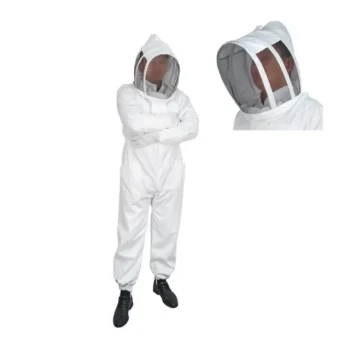
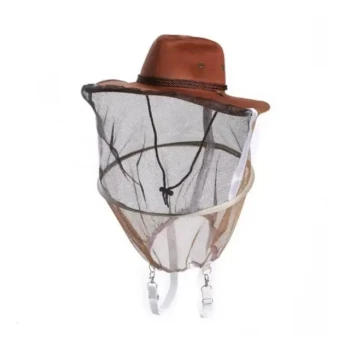
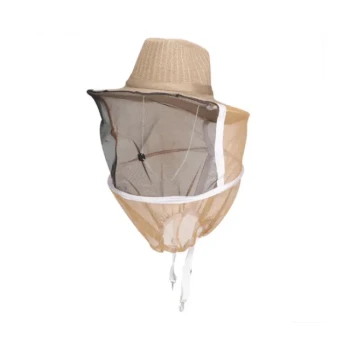
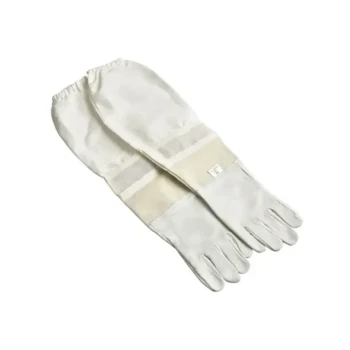
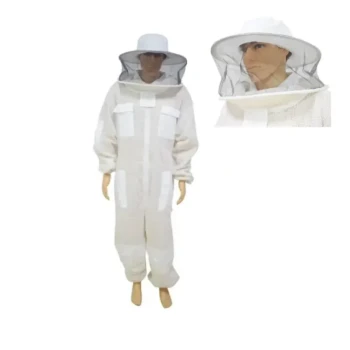
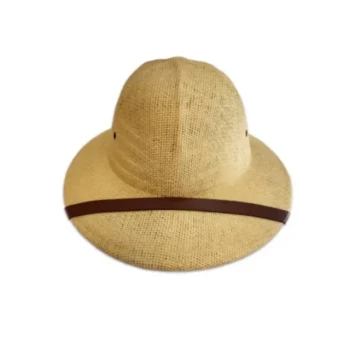
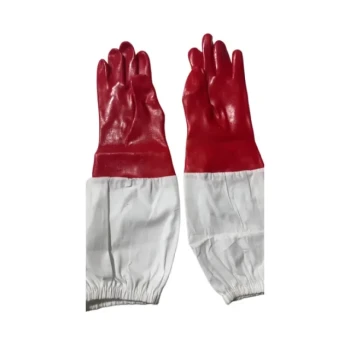
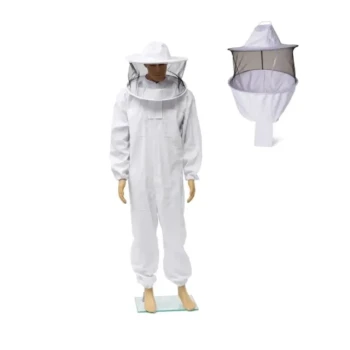
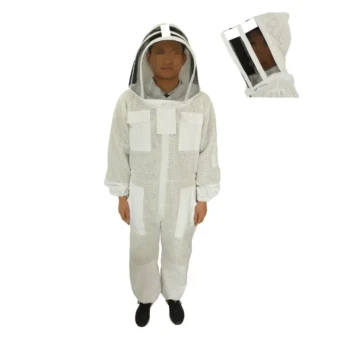
Beekeeping protective jackets are specialized upper-body garments designed to balance safety with comfort during apiary work. They are specifically noted for offering greater ease of movement and significant cooling benefits compared to full body suits, making them ideal for quick hive inspections. These jackets generally come in ventilated, partially ventilated, and cricket-style configurations to suit different environmental conditions.
Beekeeping jackets prioritize mobility and temperature control, offering a distinct advantage for quick tasks or hot weather. However, because they do not cover the legs, they require the beekeeper to carefully select protective lower-body clothing to ensure complete safety.
The Core Benefits of Using a Jacket
Superior Temperature Regulation
One of the primary advantages of a jacket is that it is generally cooler than a full bee suit. By covering only the upper body, heat is allowed to dissipate more easily, which is critical during summer inspections.
Enhanced Mobility
Jackets offer greater freedom of movement than full coveralls. They lack the restriction often felt in a one-piece suit, allowing for more agility when lifting frames or maneuvering around the apiary.
Efficiency for Quick Inspections
For routine checks where you do not need to spend hours in the apiary, jackets are faster to put on and take off. This convenience encourages frequent, consistent hive management without the burden of suiting up entirely.
Types of Jacket Configurations
Ventilated Jackets
These are designed with breathable mesh layers or panels. They maximize airflow to keep the beekeeper cool while maintaining a physical barrier against stings.
Partially Ventilated Jackets
These offer a hybrid approach, placing ventilation in key heat zones while using standard fabric in other areas. This balances durability with breathability.
Cricket-Style Jackets
This specific cut allows for ease of movement similar to sportswear. It is often favored for its comfortable fit and casual style while still providing necessary upper-body protection.
Understanding the Trade-offs: The Protection Gap
Leg Exposure
The most significant limitation of a jacket is that it leaves your legs exposed. Unlike a full suit, which offers head-to-toe protection, a jacket relies on your personal clothing to protect your lower half.
Mandatory Lower-Body Gear
To compensate for the lack of leg coverage, you must wear thick denim jeans or canvas painter’s pants. Avoid shorts, thin fabrics, or low-rise pants that might expose skin when bending over.
Sealing the Entry Points
Bees often crawl upwards. It is critical to tuck your pants into your socks or use boot bands to cinch the leg openings, preventing bees from crawling up inside your pant legs.
Ensuring Proper Fit and Protocol
Prioritize a Loose Fit
Protective clothing should never be tight. A loose fit creates a gap between the fabric and your skin, preventing stingers from reaching you; it is often recommended to choose a size larger than your normal clothing.
Check Your Hardware
Before approaching the hive, always inspect your gear. Carefully check zippers and fabric folds to ensure there are no gaps or stray bees hiding in the material from a previous use.
The Role of Confidence
Quality gear establishes a comprehensive barrier that reduces the fear of stings. This safety allows you to work with precision and calmness, which minimizes stress on the bees and leads to a more efficient inspection.
Making the Right Choice for Your Goal
Select your gear based on your specific environment and the intensity of your work.
- If your primary focus is working in high heat: Opt for a ventilated jacket, as it offers the best airflow to prevent overheating during inspections.
- If your primary focus is maximum total-body safety: Consider that a jacket requires thick, hot pants for leg protection; if you cannot wear heavy pants, a full suit may be safer.
- If your primary focus is quick, frequent checks: Choose a cricket-style or standard jacket, which allows for rapid "on and off" usage for brief maintenance tasks.
The right protective gear allows you to focus entirely on hive management rather than the risk of stings, ensuring both your safety and the health of your colony.
Summary Table:
| Jacket Type | Best For | Key Advantage |
|---|---|---|
| Ventilated | High temperatures | Maximum airflow through mesh layers |
| Partially Ventilated | Varied climates | Balance of durability and breathability |
| Cricket-Style | Ease of movement | Sportswear-inspired fit for agility |
| Standard | Quick inspections | Rapid on/off for routine hive checks |
Elevate Your Apiary Operations with HONESTBEE
At HONESTBEE, we specialize in supporting commercial apiaries and distributors with high-quality, professional-grade beekeeping solutions. Whether you need advanced ventilated protective gear, industrial honey-filling machines, or durable hive-making equipment, our comprehensive wholesale portfolio is designed to enhance your efficiency and safety.
From essential consumables to specialized hardware and honey-themed merchandise, we provide the tools you need to scale your business. Contact us today to discuss your wholesale requirements and discover how our expertise can benefit your beekeeping enterprise.
Related Products
- White Cotton Beekeeping Jacket and Veil for Bee Keepers
- Beekeeping Jacket with Hood and Veil for Beekeepers
- Economy Polyester Beekeeping Jacket with Veil and Hat
- Vented Beekeeping Jacket with Hood and Veil for Beekeepers
- Premium Cotton Beekeeper Suit with Reinforced Fencing Veil
People Also Ask
- What are the features of an economical beekeeping jacket? Essential Protection for Budget-Conscious Beekeepers
- What are the pros of using a beekeeping jacket? Unlock Superior Comfort and Mobility for Your Apiary
- What factors should a new beekeeper consider when choosing between a jacket and a full suit? Security vs. Comfort
- What are the advantages of a beekeeping jacket? Superior Mobility & Comfort for Routine Hive Inspections
- When is a beekeeping jacket considered a more suitable choice than a full suit? Optimize Your Apiary Mobility