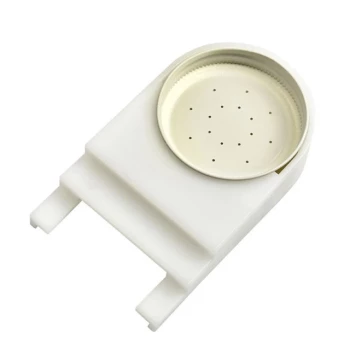
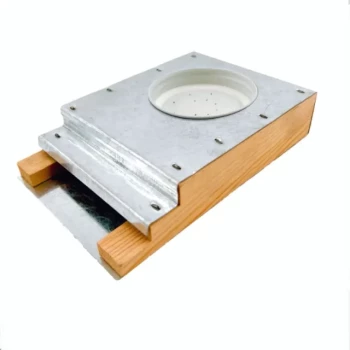
In-hive feeders provide a secure, high-capacity solution for supplemental colony nutrition. They allow bees continuous, 24/7 access to food regardless of external weather conditions, while specially designed trays minimize bee drowning and prevent outside pests from stealing resources.
Core Takeaway Internal feeding is widely considered the most economical and secure method for colony management. By placing resources inside the hive, you ensure consistent nutrition that benefits your specific colony exclusively, protecting them from competition and harsh environmental factors.
Optimizing Colony Health and Access
Uninterrupted Nutrition
Bees require steady energy to build comb and raise brood. An in-hive feeder ensures the colony has constant access to food, day or night. Because the source is internal, factors like high wind or cold temperatures do not prevent the bees from feeding.
Preventing Bee Mortality
A significant risk with liquid feeding is the potential for bees to drown in the syrup. Modern in-hive feeders mitigate this by incorporating unique feeding trays. These are specifically engineered to allow bees to access syrup safely without becoming submerged.
High Volume Capacity
Efficiency is critical for the beekeeper. These feeders typically hold up to one gallon of syrup. This larger capacity reduces the frequency of visits required to refill the hive, minimizing disturbance to the colony.
Security and Resource Efficiency
Exclusive Access
When you feed externally, you risk feeding the entire neighborhood, including wild insects. In-hive feeders ensure that 100% of the sugar water benefits the intended colony. This economic efficiency prevents waste and ensures your resources go directly to your bees.
Deterring Pests and Robbers
Open food sources can attract wasps, ants, and robber bees from other apiaries. By keeping the feed inside, you significantly reduce the likelihood of attracting these predators. The design is maintenance-free and generally easy to clean, further simplifying hive hygiene.
Operational Considerations and Best Practices
Defense Management
While internal feeding is secure, the scent of syrup can still signal resources to potential intruders. When using an in-hive feeder, it is strongly recommended to reduce the size of the hive entrance. This simple adjustment allows weaker colonies to defend their store more effectively against any intruders that do attempt to enter.
Making the Right Choice for Your Goal
To determine if an in-hive feeder fits your management style, consider your specific objectives:
- If your primary focus is rapid colony growth: The 24/7 access provided by in-hive feeders ensures bees have the fuel they need to build comb and population quickly, regardless of the weather.
- If your primary focus is biosecurity: Internal feeding is the superior choice to prevent attracting wasps and robber bees to your apiary.
- If your primary focus is operational efficiency: The one-gallon capacity reduces the labor and time required for frequent refills.
By securing the food source internally, you provide the stability your colony needs to thrive without the risks associated with open feeding.
Summary Table:
| Feature | In-Hive Feeder Benefit | Why It Matters |
|---|---|---|
| Accessibility | 24/7 internal access | Bees feed regardless of cold or windy weather. |
| Safety | Specialized feeding trays | Prevents bee mortality by minimizing drowning risk. |
| Capacity | Up to 1-gallon volume | Reduces refill frequency and labor for beekeepers. |
| Security | Internal placement | Eliminates resource theft from wasps and robber bees. |
| Efficiency | Exclusive nutrition | Ensures 100% of feed goes to the target colony. |
Scale Your Apiary Operations with HONESTBEE
Maximize your colony productivity and biosecurity with professional-grade feeding solutions. HONESTBEE supports commercial apiaries and global distributors with a robust wholesale inventory—ranging from high-capacity in-hive feeders and specialized hive-making machinery to honey-processing equipment and industry consumables.
Partner with us to streamline your maintenance and enhance your yield. Contact our wholesale experts today to discuss how our comprehensive equipment portfolio can serve your business goals.
Related Products
- Professional In-Hive Frame Bee Feeder by HONESTBEE
- In-Hive Dual Compartment Frame Bee Feeder for Targeted Colony Nutrition
- Professional In-Hive Bee Feeder HONESTBEE Frame for Beekeeping
- 3.5L Plastic Beehive Frame Feeder Deep Frame Water Feeder for In Hive Use
- HONESTBEE Entrance Bee Feeder Professional Hive Nutrition Solution for Beekeeping
People Also Ask
- What precautions should be taken when feeding bees inside the hive? Safeguard Your Colony from Robbing and Leaks
- Why should sugar syrup or dry sugar not be left out in the open when feeding bees? Avoid a Dangerous Feeding Frenzy
- What is a bee frame feeder and what are its disadvantages? Choose the Best Feeding Strategy for Your Apiary
- Why are professional bee feeders necessary for the stable development of bee colonies in commercial apiaries?
- How is sugary syrup fed to bees inside the hive? A Guide to Safe & Efficient In-Hive Feeders