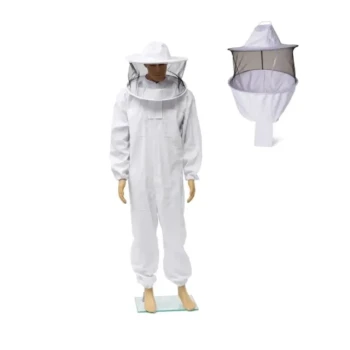
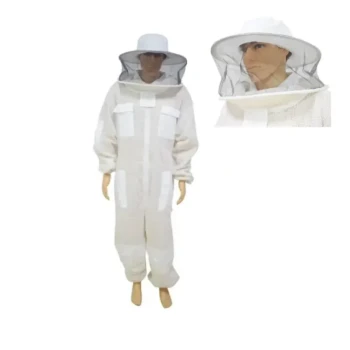
To store a beekeeping suit correctly, place it in a cool, dry location completely away from direct sunlight. You should either hang the suit by the shoulders to maintain its structural integrity or store it inside a large protective bag to shield it from dust, pests, and environmental debris.
Proper storage is about preserving the fabric's protective qualities; this requires a cool, dry environment free from UV exposure and moisture. Always ensure the suit is clean and inspected for damage before storing to ensure it remains safe for your next hive inspection.
Creating the Optimal Storage Environment
Controlling Light Exposure
Direct sunlight is the enemy of your beekeeping gear. UV rays can degrade the fabric over time, weakening the material and potentially compromising your safety. Always choose a dark closet or an opaque storage container.
Managing Humidity and Temperature
Store your suit in a cool, dry place. High heat can damage synthetic components, while moisture encourages mold and mildew.
avoiding Damp Areas
Avoid storing your gear in damp basements or garages. These areas are prone to moisture fluctuations that can harm the fabric and attract pests.
Mechanical Storage Methods
Hanging for Shape Retention
If you have the space, hanging the suit is excellent for preventing deep creases and wrinkles. However, never hang the suit by the hood or the neck loop.
The Importance of Shoulder Support
You must hang the suit by the shoulders using a sturdy hanger. Hanging it by the neck or hood concentrates the weight on a small area, which can distort the shape and damage the fabric over time.
Using Protective Bags
If hanging is not an option, or if you are storing the suit in a shed, place it inside a large, sealed protective bag. This acts as a barrier against dust, insects, and rodents that might nest in the fabric.
Pre-Storage Maintenance
Cleaning Before Storage
Never store a suit that is covered in honey, propolis, or sweat. Wash the suit using mild laundry detergent or natural cleansing agents to remove attractants that could draw pests.
Drying Protocols
After washing, hang the suit to dry in the shade. Do not use a dryer or hang it in harsh sunlight, as this accelerates wear.
The Safety Inspection
Before packing the suit away, inspect it for tears, holes, or worn-out zippers. Promptly repairing these issues ensures the suit is sealed and safe for your next use.
Common Storage Pitfalls to Avoid
Neglecting the Veil
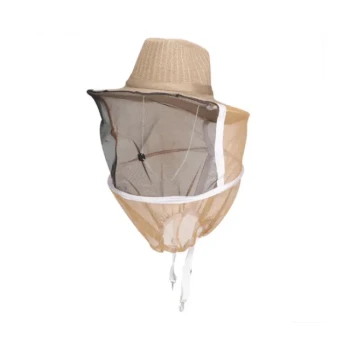
The head and face cover are critical safety components. Ensure the veil is securely fastened and stored in a way that prevents the mesh from getting crushed or torn.
The "Shed" Risk
While sheds are common storage spots, they are often dusty and accessible to pests. If you must use a shed, a sealed container or bag is mandatory to protect the gear from debris.
Making the Right Choice for Your Goal
- If your primary focus is longevity: Wash the suit after every use and store it in a protective bag inside a climate-controlled closet.
- If your primary focus is readiness: Hang the suit by the shoulders in a dark, dry area so it is wrinkle-free and ready to grab immediately.
- If your primary focus is hygiene: Detach removable components like the veil to simplify washing and ensure no sweat or propolis is left on the gear during storage.
Treat your beekeeping suit not just as clothing, but as essential safety equipment that requires diligent care to protect you effectively.
Summary Table:
| Storage Factor | Best Practice | What to Avoid |
|---|---|---|
| Environment | Cool, dry, and dark (closet or opaque bin) | Sunlight (UV), damp basements, high heat |
| Method | Hanging by shoulders or sealed protective bag | Hanging by hood/neck loop or loose in sheds |
| Maintenance | Clean with mild detergent and air-dry in shade | Storing with honey/propolis or using a dryer |
| Safety Check | Inspect for tears and secure the veil mesh | Neglecting zippers or crushing the mesh |
Maximize Your Apiary Efficiency with HONESTBEE
Proper gear maintenance is just the beginning. At HONESTBEE, we specialize in empowering commercial apiaries and distributors with premium-grade solutions. From durable protective clothing to industrial-scale hive-making and honey-filling machinery, our comprehensive wholesale catalog is designed to scale your operations.
Ready to upgrade your beekeeping equipment or expand your distribution inventory? Contact us today to discover how our high-performance tools and essential industry consumables can drive your success.
Related Products
- Premium Cotton Beekeeper Suit with Reinforced Fencing Veil
- Professional Cotton Beekeeper Suit with Round Veil Design for Commercial Apiaries
- Professional Beekeeper Suit with Square Folding Cotton Veil
- Vented Beekeeping Jacket with Hood and Veil for Beekeepers
- Professional Beekeeping Suit for Kids and Girls Childrens Bee Keeper Suit
People Also Ask
- What material and design specifications are recommended for a high-quality beekeeper suit? Top Gear Selection Guide
- How to Pre-treat Propolis Stains on Beekeeping Suits? Master Advanced Fabric Care and Soil Removal
- What features should be considered for sting protection in a beekeeping suit? Ensure Total Safety and Comfort
- What are the differences between full suits and jackets with veils in beekeeping? Choose Your Best Protection
- What features should be looked for in a beekeeping suit for maximum comfort? Prioritize Ventilation and Fit