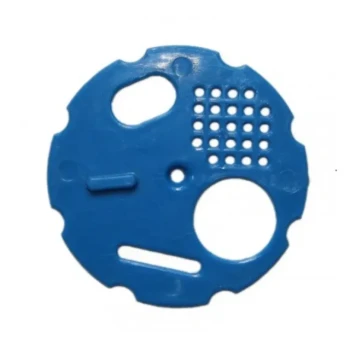
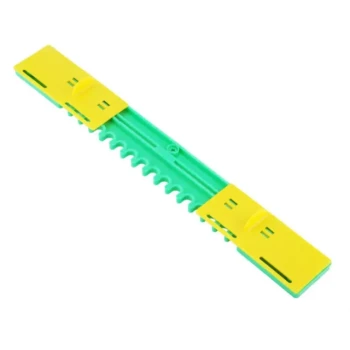
An Entrance Feeder, typically referred to as a Boardman feeder, is a specialized device designed to deliver syrup to a bee colony without requiring the hive to be opened. It consists of two distinct components: a feed jar that remains outside the hive body and a specialized feeding tray that slides directly into the hive’s entrance.
While the Boardman feeder offers the beekeeper exceptional convenience regarding visibility and maintenance, its external design leaves the food source vulnerable to temperature fluctuations, necessitating vigilant management during extreme weather.
Anatomy and Functionality
The External Reservoir
The defining characteristic of this feeder is the external feed jar.
Because the jar sits outside the hive body, the syrup level remains visible at all times. This allows for instant visual checks without disturbing the colony.
The Internal Interface
The system relies on a feeding tray that connects the jar to the colony.
This tray slides into the hive entrance, acting as a bridge that allows bees to access the syrup from the inside while the reservoir remains outside.
Operational Advantages
Non-Intrusive Monitoring
The primary benefit of the Entrance Feeder is the ability to monitor feed levels at a glance.
Beekeepers can determine exactly how much syrup has been consumed without smoking the bees or removing the hive cover. This preserves the internal hive temperature and reduces stress on the colony.
Ease of Sanitation
Cleaning and refilling are significantly streamlined with this design.
Because the equipment is accessible from the exterior, the jar can be removed, washed, and refilled quickly. This encourages better hygiene practices compared to internal feeders that are more difficult to access.
Environmental Vulnerabilities
Risk of Freezing
The most significant operational limitation is the feeder's exposure to the elements.
In winter conditions, the syrup is located away from the cluster's heat source. This makes the liquid highly susceptible to freezing, rendering the food inaccessible to the bees when they need it most.
Heat and Spoilage
During the warm seasons, the external jar is directly exposed to ambient heat and sunlight.
This exposure can rapidly increase the temperature of the syrup. High temperatures accelerate bacterial growth and fermentation, causing the syrup to spoil more quickly than it would in an internal feeder.
Critical Operational Trade-offs
The Convenience vs. Stability Conflict
Using a Boardman feeder requires balancing the beekeeper's convenience against the stability of the feed.
While the design simplifies the workflow for the human operator, it removes the thermal protection the hive usually provides to food stores.
Seasonal Limitations
This equipment is generally not an "install and forget" solution for all seasons.
It functions best in temperate conditions where the risk of freezing is low, but the heat is not intense enough to spoil the syrup immediately.
Determining the Right Fit for Your Apiary
To effectively utilize an Entrance Feeder, align its usage with your specific environmental conditions and management goals.
- If your primary focus is rapid monitoring: This feeder is ideal for gauging consumption rates without disrupting the colony's workflow.
- If your primary focus is winter feeding: Avoid this design, as the distance from the cluster and exposure to cold air will likely cause the syrup to freeze.
- If your primary focus is summer feeding: Exercise caution and replace syrup frequently to prevent fermentation caused by heat exposure.
Success with a Boardman feeder depends less on the equipment itself and more on the beekeeper's discipline in monitoring weather conditions.
Summary Table:
| Feature | Description | Key Advantage / Consideration |
|---|---|---|
| Design | External jar with entrance tray | Non-intrusive monitoring of feed levels |
| Access | Refilled from outside the hive | High convenience; reduces colony stress |
| Visibility | Clear reservoir | Instant visual checks without opening the hive |
| Winter Use | Exposed to ambient air | High risk of freezing; not recommended for cold |
| Summer Use | Exposed to sunlight | Susceptible to fermentation and rapid spoilage |
| Best For | Temperate seasons | Rapid consumption tracking and easy sanitation |
Scale Your Apiary Operations with HONESTBEE
Maximize your colony productivity and streamline your management workflow with professional-grade beekeeping solutions. HONESTBEE specializes in supporting commercial apiaries and distributors with a comprehensive wholesale portfolio.
From high-efficiency honey-filling machines and hive-making hardware to a full spectrum of durable beekeeping tools and essential consumables, we provide the equipment you need to succeed at scale.
Ready to elevate your business? Contact us today to explore our wholesale offerings and discover how our industry-leading machinery and cultural merchandise can add value to your brand.
Related Products
- HONESTBEE Entrance Bee Feeder Professional Hive Nutrition Solution for Beekeeping
- HONESTBEE Entrance Bee Feeder Efficient Hive Front Liquid Feeding Solution for Beekeeping
- Classic Boardman Entrance Bee Feeder Hive Front Feeding Solution
- Boardman Entrance Bee Feeder Durable Galvanized Steel and Wood Construction for Beekeeping
- Professional Hive Front Entrance Bee Feeder
People Also Ask
- What types of bee feeders are available for beginners? Start with the Simple Entrance Feeder
- What are the advantages and disadvantages of using an entrance feeder for bees? Balance Convenience and Hive Security.
- What is a bee entrance feeder and what are its drawbacks? Essential Guide to Hive Security and Feeding Efficiency
- How does a bee entrance feeder work? A Simple Guide to Convenient Hive Feeding
- How to make an entrance feeder for bees? A DIY Guide for Safe & Effective Feeding