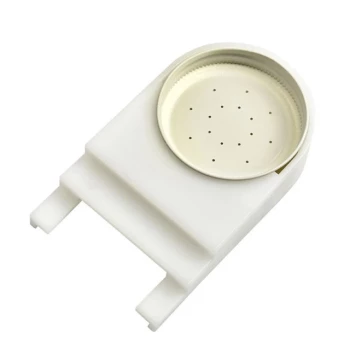
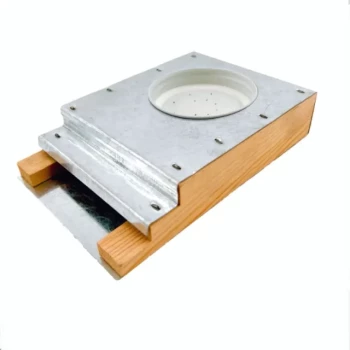
Frame or division board feeders are high-capacity internal reservoirs designed to replace one or two frames directly within the hive's brood nest. While they are highly effective for stimulating rapid syrup consumption during the critical spring and fall seasons, they carry inherent risks regarding bee safety and hive maintenance that require careful management.
The core utility of the division board feeder is its location: by placing feed inside the colony, it remains warm and accessible even in cooler temperatures. However, this advantage is counterbalanced by significant risks of bee drowning and mechanical issues like warping or leaking.
The Functional Advantages
Rapid Resource Uptake
These feeders facilitate the quick consumption of syrup. Because the feed is located directly in the brood nest, it is immediately available to the cluster, which is essential during peak demand periods in the spring and autumn.
Thermal Protection
Since the unit sits inside the hive body, the syrup is maintained at the hive's internal temperature. This allows bees to access food during cooler weather when they might otherwise be unable to break cluster to reach external or top feeders.
Security Against Robbing
Placing the food source completely inside the hive creates a barrier against other insects. This internal placement significantly reduces the likelihood of robbing activity from neighboring colonies compared to entrance feeders.
Understanding the Trade-offs
The Drowning Risk
The most significant drawback is bee mortality. Despite safety features like rough sides, ladders, or floats, bees frequently drown in these reservoirs.
Disruption of the Hive
Refilling the feeder requires the beekeeper to open the hive. This breaks the propolis seal and disturbs the colony climate, which can be detrimental during marginal weather conditions.
Loss of Productive Space
By design, this feeder occupies the space of one or two frames. This reduces the total surface area available for the queen to lay eggs (brood) or for the colony to store pollen and honey.
Structural Instability
Plastic models are prone to physical deformation. They may warp, twist, or widen when filled with heavy syrup, making it difficult to manipulate adjacent frames. Additionally, glued versions have a reputation for developing leaks.
Unwanted Construction
If the feeder is allowed to go empty, bees often utilize the void to build erratic comb. They may also use propolis to glue removable floats to the sides of the container, rendering the safety mechanisms useless.
Making the Right Choice for Your Goal
Before installing a division board feeder, assess your specific management objectives:
- If your primary focus is rapid colony buildup in cool weather: These feeders are the superior choice, but you must add additional floating material to prevent drowning.
- If your primary focus is minimal disturbance: You should avoid this design, as refilling it requires invasive hive opening; a top feeder may be a better alternative.
- If your primary focus is maximizing brood production: Be aware that using this feeder sacrifices valuable real estate within the brood box that could otherwise host developing bees.
Success with division board feeders depends entirely on your willingness to monitor syrup levels closely to prevent comb buildup and starvation.
Summary Table:
| Feature | Advantage | Potential Drawback |
|---|---|---|
| Location | Inside brood nest; stays warm for easy access. | Occupies space of 1-2 frames; reduces brood area. |
| Feeding Speed | Facilitates rapid syrup consumption for buildup. | Requires frequent hive opening to refill. |
| Security | Internal placement prevents robbing by other bees. | High risk of bee drowning without proper floats. |
| Structure | High-capacity reservoir for large-scale feeding. | Plastic models may warp or leak under pressure. |
| Bee Behavior | Immediate availability during spring/fall. | Bees may build wild comb if the feeder stays empty. |
Maximize Your Colony Growth with HONESTBEE Equipment
Efficient feeding is the backbone of a productive apiary. At HONESTBEE, we specialize in supporting commercial apiaries and distributors with a full spectrum of professional-grade beekeeping tools.
Whether you need high-capacity division board feeders, honey-filling machinery, or specialized hive-making equipment, our wholesale offerings are designed for durability and performance. We help you overcome common management hurdles like bee safety and structural stability with premium hardware and essential industry consumables.
Ready to scale your beekeeping operation? Contact us today to explore our comprehensive portfolio and discover how HONESTBEE can streamline your production and boost your distribution success.
Related Products
- Classic Boardman Entrance Bee Feeder Hive Front Feeding Solution
- Boardman Entrance Bee Feeder Durable Galvanized Steel and Wood Construction for Beekeeping
- In-Hive Dual Compartment Frame Bee Feeder for Targeted Colony Nutrition
- Professional Hive Front Entrance Bee Feeder
- HONESTBEE Entrance Bee Feeder Efficient Hive Front Liquid Feeding Solution for Beekeeping
People Also Ask
- What are the advantages and disadvantages of using an entrance feeder for bees? Balance Convenience and Hive Security.
- What types of bee feeders are available for beginners? Start with the Simple Entrance Feeder
- How do you make an entrance feeder for bees? A Guide to Safe & Effective Hive Feeding
- What is a recommended alternative use for an entrance feeder instead of providing sugar syrup? - Water Feeding Tips
- What are the advantages and disadvantages of an entrance feeder? Optimize Your Apiary's Feeding Strategy