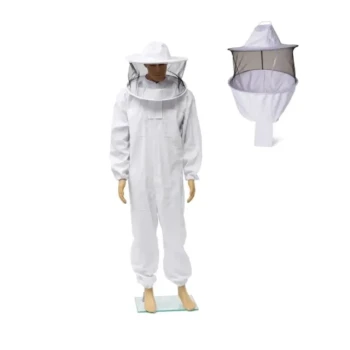
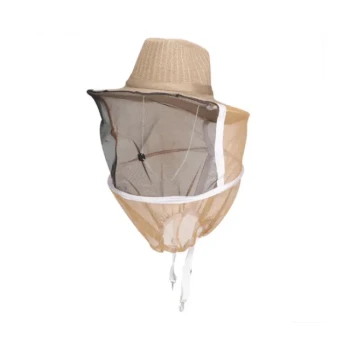
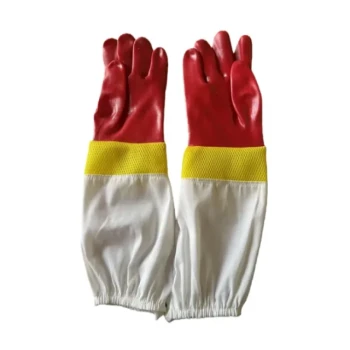
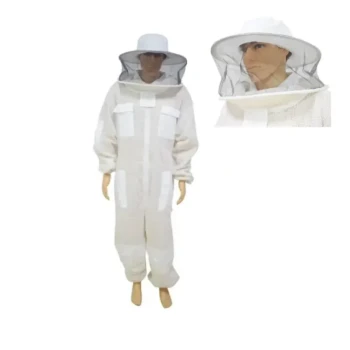
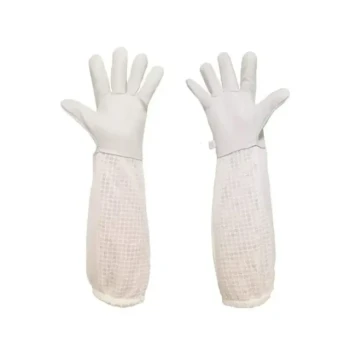
The ideal material for beekeeping clothing depends on balancing sting density with breathability. The most common materials used today are heavy-duty woven cotton for thickness, cotton/polyester blends for durability, and multi-layered mesh fabrics designed specifically for ventilation in hot climates.
Core Insight: While heavy fabrics offer traditional protection, the primary challenge in beekeeping is often heat management rather than stings alone. Your choice of material dictates your ability to work comfortably in the summer without risking heat exhaustion.
Standard Fabric Options
The foundation of most protective gear lies in woven fabrics. These rely on the density and thickness of the weave to prevent stings from reaching the skin.
Heavy-Duty Woven Cotton
This is a traditional choice known for providing very good protection.
The natural fibers are generally comfortable against the skin.
However, thick cotton can become extremely warm, making it a risk for overheating in hot climates or during strenuous hive work.
Cotton/Polyester Blends
This fabric is designed to be a "year-round" solution.
It is typically durable, lightweight, and breathable.
Because it is lighter than heavy-duty cotton but tougher than pure mesh, it offers a strong balance between comfort and longevity.
Nylon Fabrics
Nylon offers a unique protective mechanism: a slick surface.
It is difficult for bees to grip nylon, making it harder for them to position themselves to sting.
The significant downside is that nylon is not breathable or absorbent, leading to rapid overheating and sweat accumulation compared to cotton or mesh.
Ventilated and Mesh Technologies
For beekeepers working in high heat, modern suits utilize mesh layering to allow airflow while maintaining a safety gap.
Partially-Ventilated Suits
These are typically constructed from a cotton/polyester blend base.
They incorporate mesh and foam panels in strategic areas to promote airflow without compromising structural integrity.
This hybrid approach reduces the cost and weight compared to full ventilation while cooling key areas of the body.
Fully Ventilated Suits
These suits are engineered for maximum cooling in summer heat.
They are constructed from multiple layers of thick and fine mesh. This "sandwich" technique creates a gap thicker than a bee's stinger, allowing air to pass through freely.
Contrary to what you might expect, fully ventilated suits tend to be heavier than standard cotton/poly suits due to the density of the layered mesh.
Understanding the Trade-offs
When selecting your gear, you cannot maximize every attribute simultaneously. You must choose which compromise fits your environment.
Weight vs. Temperature
Fully ventilated mesh suits offer the best cooling, but they are physically heavier to wear.
Cotton/poly blends are physically lighter on your shoulders but will trap more body heat than mesh.
Durability vs. Breathability
Solid woven fabrics (cotton and blends) generally offer higher long-term durability.
Mesh fabrics, while excellent for heat, are inherently more prone to snagging or tearing over time compared to solid cloth.
Making the Right Choice for Your Goal
To select the right gear, assess your local climate and how long you typically spend in the apiary.
- If your primary focus is working in high heat: Choose a fully ventilated multi-layer mesh suit, accepting the slightly heavier physical weight for the benefit of maximum airflow.
- If your primary focus is all-around versatility: Choose a cotton/polyester blend, which offers a balance of lightweight wear, durability, and moderate breathability for year-round use.
- If your primary focus is maximum sting prevention on a budget: Choose heavy-duty woven cotton, provided you are not working in extreme heat where the lack of airflow could be dangerous.
Select the material that protects you not just from the bees, but from the environment you work in.
Summary Table:
| Material Type | Protection Level | Breathability | Durability | Best For |
|---|---|---|---|---|
| Heavy-Duty Cotton | High | Low | High | Maximum sting protection on a budget |
| Cotton/Polyester Blend | Moderate/High | Moderate | High | All-around versatility and durability |
| Multi-Layer Mesh | High | Excellent | Moderate | Working in extreme summer heat |
| Nylon | Moderate (Slick) | Very Low | High | Short-duration work (Easy to clean) |
| Partially Ventilated | Moderate/High | Moderate | High | Hybrid balance of cooling and strength |
Scale Your Apiary Operations with HONESTBEE
At HONESTBEE, we understand that commercial success in beekeeping requires professional-grade equipment that balances safety with worker efficiency. Whether you are a large-scale commercial apiary or a global distributor, we provide a comprehensive wholesale catalog designed to meet every industry need.
Our Value to You:
- Professional Protective Gear: High-performance suits in cotton blends and advanced ventilated mesh for maximum field comfort.
- Precision Machinery: State-of-the-art hive-making and honey-filling machines to streamline your production line.
- Full Spectrum Supply: From essential consumables to honey-themed cultural merchandise, we are your one-stop industrial partner.
Ready to elevate your beekeeping business? Contact HONESTBEE today to discuss our wholesale offerings and customized machinery solutions.
Related Products
- White Cotton Beekeeping Jacket and Veil for Bee Keepers
- Premium Cotton Beekeeper Suit with Reinforced Fencing Veil
- Professional Cotton Beekeeper Suit with Round Veil Design for Commercial Apiaries
- Beekeeping Jacket with Hood and Veil for Beekeepers
- Professional Beekeeper Suit with Square Folding Cotton Veil
People Also Ask
- What are the features of an economical beekeeping jacket? Essential Protection for Budget-Conscious Beekeepers
- What are the pros of using a beekeeping jacket? Unlock Superior Comfort and Mobility for Your Apiary
- What factors should a new beekeeper consider when choosing between a jacket and a full suit? Security vs. Comfort
- What are the advantages of a beekeeping jacket? Superior Mobility & Comfort for Routine Hive Inspections
- When is a beekeeping jacket considered a more suitable choice than a full suit? Optimize Your Apiary Mobility