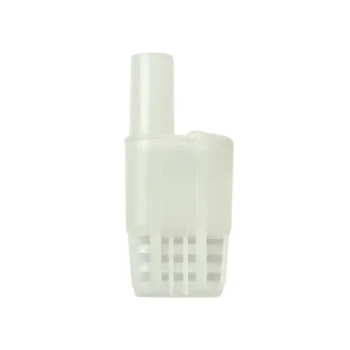
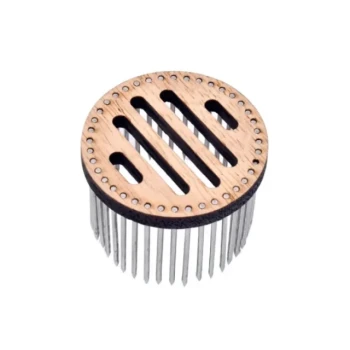
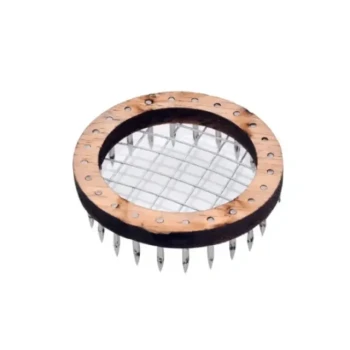
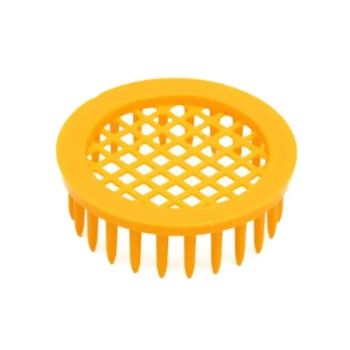
Specialized honey bee rearing cages and integrated feeding devices provide the rigorous environmental control necessary for valid scientific data. By standardizing the living space and ensuring precise nutrient delivery, these tools eliminate environmental variables, allowing researchers to attribute survival outcomes directly to disease resistance rather than external inconsistencies.
Core Takeaway The combination of standardized cages and syringe-based feeding systems transforms a biological observation into a controlled experiment. By guaranteeing uniform nutrition and identical living conditions, these tools isolate pathogen impact as the primary variable, ensuring that survival data accurately reflects the bees' inherent disease resistance.
The Role of Standardization in Experimental Design
Eliminating Environmental Noise
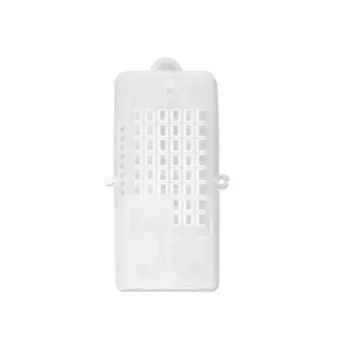
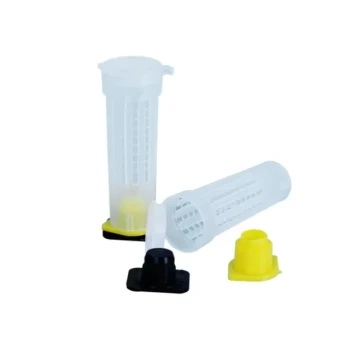
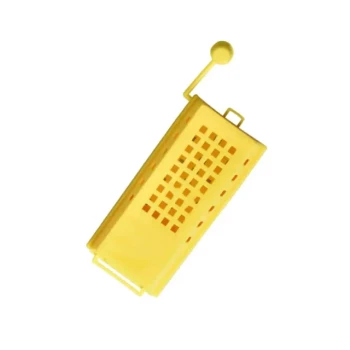
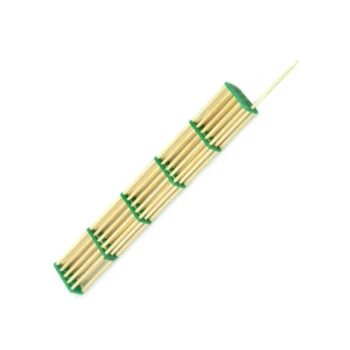
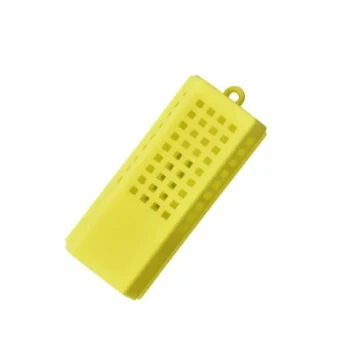
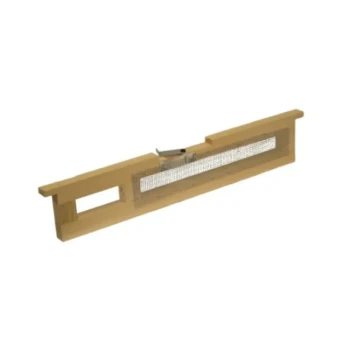
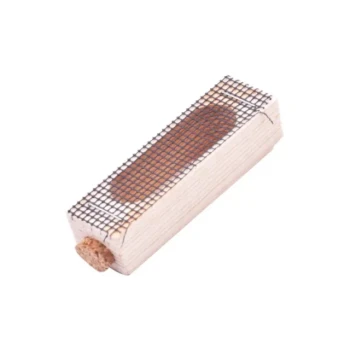
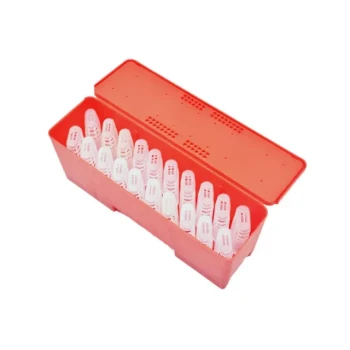
In disease resistance experiments, the physical environment acts as a significant variable. Specialized rearing cages provide a standardized living environment for individual bees or small groups.
This consistency ensures that micro-climatic fluctuations or hardware variations do not skew the results. Every bee is subjected to identical stressors, making the data comparable across different test groups.
Facilitating Observation and Ventilation
Beyond mere containment, these cages are designed to balance isolation with life support. They typically feature adequate ventilation systems to maintain air quality without exposing bees to external contaminants.
Furthermore, the design facilitates easy observation. Researchers can monitor bee health and behavior continuously without disturbing the enclosure, preserving the integrity of the stress or pathogen exposure timeline.
Precision in Nutritional Delivery
The Importance of Uniform Intake
A critical flaw in many biological experiments is the inability to control exactly how much an organism consumes. Integrated feeding devices tackle this by ensuring uniform nutritional intake across the experimental population.
When evaluating survival rates under pathogen pressure, knowing that every subject received the exact same energy resources is vital. This confirms that mortality is driven by the disease, not by malnutrition or caloric deficits.
Mechanics of the Feeding Device
These integrated systems often utilize syringe or plunger structures. This mechanical approach allows for the exact dosing of honey solutions or treatments.
Unlike open feeding methods, this design allows researchers to measure consumption down to the microliter. This level of granularity is essential when correlating metabolic intake with disease progression.
Preventing Leakage and Contamination
Feeding devices in these systems are engineered for leak-proof delivery. In a confined cage, a leaking feeder can cause sticky residues that trap bees or promote mold growth.
By preventing leaks, the system maintains a hygienic environment. This ensures that the only biological pressure the bee faces is the specific pathogen being studied, rather than secondary environmental hazards.
Understanding the Trade-offs
The Factor of Artificial Stress
While these cages excel at standardization, they create an inherently artificial environment. Honey bees are eusocial insects that thrive in large colonies; isolation or small-group confinement can induce isolation stress.
This stress can impact the bee's immune system, potentially confounding disease resistance data if not accounted for. Researchers must recognize that survival rates in a cage may differ from survival rates in a full hive setting.
Making the Right Choice for Your Goal
To maximize the value of your experimental setup, align your equipment choice with your specific research metrics.
- If your primary focus is accurate mortality curves: Prioritize integrated feeding devices with plunger structures to ensure no subject dies from starvation or accidental leakage.
- If your primary focus is behavioral observation: Select rearing cages with high-visibility designs and optimized ventilation to reduce stress-induced behaviors that could mimic disease symptoms.
Success in disease resistance research relies not just on the genetic line of the bee, but on the disciplined elimination of every other variable.
Summary Table:
| Feature | Design Advantage | Impact on Research |
|---|---|---|
| Standardized Cages | Controlled micro-climate & ventilation | Eliminates environmental noise and hardware variables. |
| Syringe/Plunger Feeders | Microliter dosing & leak-proof delivery | Ensures uniform nutrient intake and prevents malnutrition. |
| Observation Windows | High-visibility materials | Enables continuous monitoring without disturbing the subjects. |
| Hygienic Design | Leak-proof & easy-to-clean structures | Prevents secondary contamination and mold growth. |
| Isolation Control | Small-group confinement | Isolates pathogen impact as the primary experimental variable. |
Elevate Your Research & Apiary Operations with HONESTBEE
Precise data requires professional equipment. Whether you are conducting rigorous disease resistance trials or scaling a commercial operation, HONESTBEE provides the comprehensive wholesale solutions you need.
Why partner with us?
- Full Spectrum Supply: From specialized hive-making machinery and honey-filling systems to honey-themed cultural merchandise.
- Commercial Expertise: We cater specifically to commercial apiaries and distributors, offering high-performance beekeeping tools and industry-essential consumables.
- Tailored Solutions: Our equipment is designed to minimize variables and maximize efficiency, ensuring your success from the lab to the honey house.
Ready to upgrade your infrastructure? Contact us today to explore our wholesale catalog!
References
- Yazhou Zhao, Yanping Chen. The Dynamics of Deformed Wing Virus Concentration and Host Defensive Gene Expression after Varroa Mite Parasitism in Honey Bees, Apis mellifera. DOI: 10.3390/insects10010016
This article is also based on technical information from HonestBee Knowledge Base .
Related Products
- Twin Queen Styrofoam Honey Bee Nucs Mating and Breeding Box
- Professional Multi-Functional Queen Bee Cage
- Langstroth Honey Bee Box Hive Boxes for Different Depths
- Automatic Heat Preservation 6 Frame Pro Nuc Box for Honey Bee Queen Mating
- Premium Nicot Style Queen Rearing Kit with Hair Roller Bee Cages
People Also Ask
- What are the benefits of using double nuc boxes in beekeeping? Boost Apiary Resilience & Growth
- What are the practical advantages of a double nuc box? Maximize Efficiency with Standardized Beekeeping Gear
- What is the frame capacity of each side in a double nuc box? Master Queen Rearing & Colony Starts
- What are the advantages of double nuc boxes in winter? Boost Survival Rates & Apiary Resilience
- What is the purpose of exploring double nuc boxes in beekeeping? Boost Apiary Resilience & Growth