Beekeepers primarily utilize three distinct methods to provide supplementary nutrition to their colonies. You can place a feeder containing a sugar and water solution externally in the yard, apply a sugar water mixture directly to the hives via spraying, or install internal devices known as pro feeders or top feeders.
Supplementary feeding strategies generally fall into two categories: external application and internal provisioning. While external methods are useful options, internal feeding is often functionally superior during specific seasons when colony mobility is restricted.
External Feeding Techniques
Utilizing Yard Feeders
One common approach involves placing a feeder filled with a sugar and water solution out in the apiary yard.
This allows the bees to access a food source outside of the hive structure. It serves as a centralized location for the colony to forage for supplementary nutrition.
Direct Hive Spraying
Another external method involves spraying the hives directly.
Beekeepers use a sugar water mixture for this application. This applies the food source immediately to the hive exterior or structure.
Internal Feeding Techniques
Pro Feeders and Top Feeders
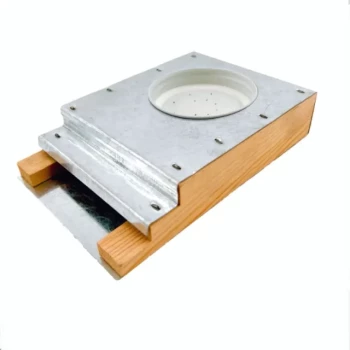
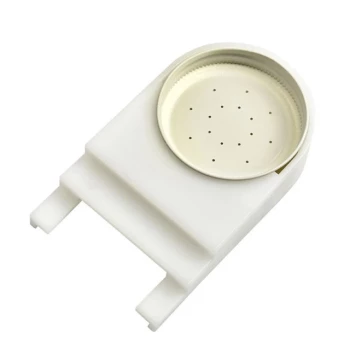
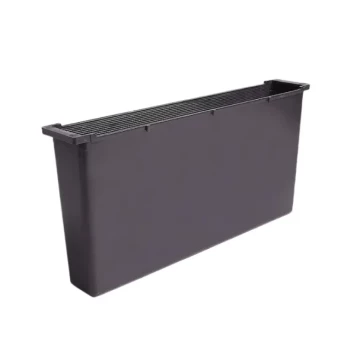
For feeding inside the hive, beekeepers can utilize specific equipment such as pro feeders or top feeders.
These devices are designed to fit within the hive architecture. They bring the nutrient source directly to the colony's living space.
The Winter Advantage
Internal feeding provides a distinct mechanical advantage during the winter months.
During cold spells, bees are often unable to travel far to forage or reach external sources. Placing food inside ensures the colony has access to sustenance regardless of outside conditions.
Understanding the Trade-offs
Mobility Constraints
The most critical variable in choosing a method is the mobility of the bees.
External methods, such as yard feeders, rely on the bees' ability to leave the hive and fly to the food source.
If environmental conditions prevent travel, such as in winter, an external feeder becomes useless to the colony. In these scenarios, the internal proximity provided by top feeders is essential for survival.
Making the Right Choice for Your Goal
Selecting the correct feeding method depends heavily on the season and the immediate needs of your apiary.
- If your primary focus is winter survival: Prioritize internal feeders (pro or top feeders), as bees cannot travel distances to access food in cold weather.
- If your primary focus is broad accessibility: Consider yard feeders or spraying hives, which provide resources without requiring intrusion into the hive body.
By matching the feeding method to the season, you ensure your colony maintains the energy reserves necessary for a healthy hive.
Summary Table:
| Feeding Method | Type | Best Used For | Key Advantage |
|---|---|---|---|
| Yard Feeders | External | Broad accessibility | Centralized foraging source |
| Hive Spraying | External | Direct application | Quick nutrition without hardware |
| Pro / Top Feeders | Internal | Winter survival | Accessibility during cold spells |
| Internal Devices | Internal | Season-long support | Minimizes travel for bees |
Maximize Your Apiary Productivity with HONESTBEE
Ensure your colonies thrive in every season with high-quality equipment from HONESTBEE. As a premier partner for commercial apiaries and distributors, we provide a comprehensive wholesale range including:
- Advanced Feeding Solutions: Pro feeders, top feeders, and specialized hardware for efficient nutrition.
- Beekeeping Machinery: From hive-making to honey-filling machines to scale your operations.
- Essential Supplies: A full spectrum of beekeeping tools, industry consumables, and honey-themed merchandise.
Ready to elevate your beekeeping business? Contact HONESTBEE today to access our wholesale catalog and expert support!
Related Products
- HONESTBEE Entrance Bee Feeder Professional Hive Nutrition Solution for Beekeeping
- Rapid Bee Feeder White Plastic 2L Round Top Feeder for 8 or 10-Frame Bee Hives
- HONESTBEE Professional Entrance Bee Feeder Hive Nutrition Solution
- HONESTBEE Round Hive Top Bee Feeder for Syrup
- White Plastic 0.5L Beekeeping Entrance Feeder for Bees
People Also Ask
- What types of bee feeders are available for beginners? Start with the Simple Entrance Feeder
- What are the advantages and disadvantages of using an entrance feeder for bees? Balance Convenience and Hive Security.
- What is a bee entrance feeder and what are its drawbacks? Essential Guide to Hive Security and Feeding Efficiency
- How does a bee entrance feeder work? A Simple Guide to Convenient Hive Feeding
- How to make an entrance feeder for bees? A DIY Guide for Safe & Effective Feeding