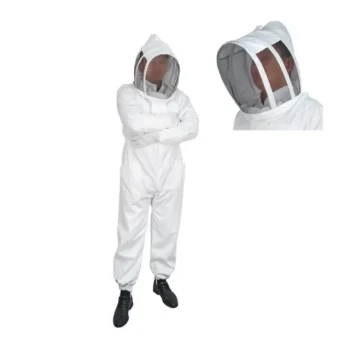
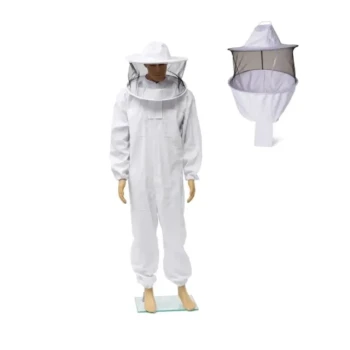
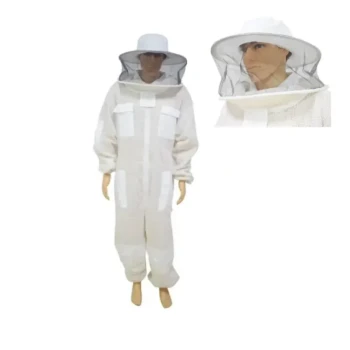
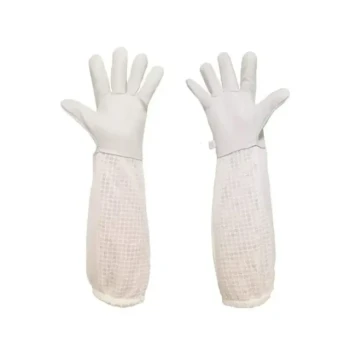
The critical weakness of single-layer cotton, polyester, or nylon beekeeping suits is their inability to manage heat and moisture effectively. While these materials provide a basic visual barrier, they trap body heat and become compromised when wet, significantly increasing the risk of both heat-related illness and bee stings.
The "Sweat Bridge" Hazard A single layer of fabric relies on looseness to prevent stings. Once you begin to sweat, the fabric becomes wet and clings directly to your skin, eliminating the protective air gap and allowing bees to sting through the damp material with ease.
The Thermodynamics of Single-Layer Fabrics
Heat Accumulation
Single-layer suits made of tightly woven cotton, polyester, or nylon often act as heat traps. In active apiary work, your body generates significant heat that these fabrics struggle to vent, creating an internal "oven effect" rapidly.
The Dehydration Risk
Because the heat cannot escape efficiently, your body compensates by sweating profusely. This accelerates dehydration and significantly raises the risk of heat stroke, a dangerous condition when working alone in remote apiary locations.
The Layering Paradox
To compensate for the thinness of a single layer, beekeepers often wear thick pants and long-sleeved shirts underneath. While this restores sting protection, it drastically exacerbates the heat issue, making the suit unbearable in summer months.
The Compromised Safety Barrier
Loss of Protective Loft
A bee's stinger has a specific length. Multi-layer or ventilated suits use thickness (loft) to keep the stinger away from your skin. A single layer of cotton or nylon lacks this depth; if the fabric touches you, the bee can reach you.
The Clinging Effect
As noted in the core takeaway, moisture is the enemy of single-layer protection. Once sweat saturates the suit, the fabric loses its structural rigidity and adheres to your arms and back.
Vulnerability Points
This clinging effect is most dangerous at contact points—shoulders, back, and knees—where the fabric is naturally pulled tight against the skin during movement. These areas become prime targets for stings once the fabric is damp.
Understanding the Trade-offs
Aesthetic Maintenance
While white suits are standard for keeping the colony calm and reflecting sun, single-layer fabrics in this color are prone to visible soiling. Unlike complex mesh structures that might hide dirt, a flat single layer of cotton or poly-blend stains easily from propolis, grass, and hive debris.
Climate Suitability
It is important to note that the heat retention described above is a disadvantage primarily in warm climates. In colder regions, the heat-retaining properties of a heavy cotton or dark-colored suit can actually be beneficial, keeping the beekeeper warm while the bees remain relatively lethargic.
Making the Right Choice for Your Goal
If you are evaluating suit materials, your decision should rely on your local climate and personal heat tolerance.
- If your primary focus is working in high heat: Avoid single-layer solids; the risk of the fabric sticking to sweaty skin and allowing stings is too high.
- If your primary focus is budget or winter work: A single-layer cotton/poly suit is acceptable, provided you wear thick clothing underneath to prevent stings through the fabric.
Ultimately, the safety of a single-layer suit is entirely dependent on keeping the fabric dry and floating off your skin.
Summary Table:
| Disadvantage Category | Key Issues & Impact |
|---|---|
| Thermodynamics | Traps body heat (oven effect); high risk of dehydration and heat stroke. |
| The 'Sweat Bridge' | Damp fabric clings to skin, eliminating the air gap and allowing stings through. |
| Structural Safety | Lacks the loft/thickness of multi-layer suits; vulnerable at shoulders and knees. |
| Aesthetic/Durability | Solid fabrics stain easily with propolis and grass compared to mesh structures. |
| Climate Constraint | Highly unsuitable for warm climates; requires thick undergarments to be safe. |
Upgrade Your Apiary Operations with HONESTBEE
Don't compromise the safety and comfort of your team with inadequate gear. HONESTBEE specializes in supporting commercial apiaries and distributors with premium-grade beekeeping solutions. From advanced ventilated suits that eliminate the 'sweat bridge' to industrial-scale hive-making and honey-filling machinery, we provide the full spectrum of equipment and consumables your business needs to thrive.
Partner with HONESTBEE to access:
- Wholesale beekeeping tools and protective gear engineered for durability.
- Professional-grade machinery for honey processing and hive manufacturing.
- A comprehensive array of industry essentials and cultural merchandise.
Ready to enhance your efficiency and safety? Contact our expert team today to discuss your wholesale requirements!
Related Products
- Premium Cotton Beekeeper Suit with Reinforced Fencing Veil
- Professional Cotton Beekeeper Suit with Round Veil Design for Commercial Apiaries
- Professional Beekeeper Suit with Square Folding Cotton Veil
- Vented Beekeeping Jacket with Hood and Veil for Beekeepers
- Three-Layer Ventilated Beekeeper Suit with Structured Fencing Veil
People Also Ask
- What material and design specifications are recommended for a high-quality beekeeper suit? Top Gear Selection Guide
- How to Pre-treat Propolis Stains on Beekeeping Suits? Master Advanced Fabric Care and Soil Removal
- What features should be considered for sting protection in a beekeeping suit? Ensure Total Safety and Comfort
- What are the differences between full suits and jackets with veils in beekeeping? Choose Your Best Protection
- What features should be looked for in a beekeeping suit for maximum comfort? Prioritize Ventilation and Fit