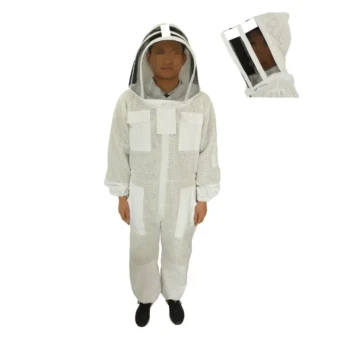
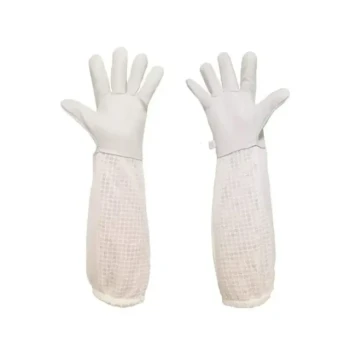
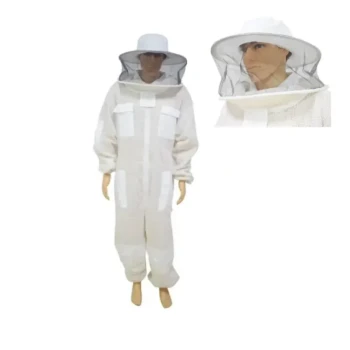
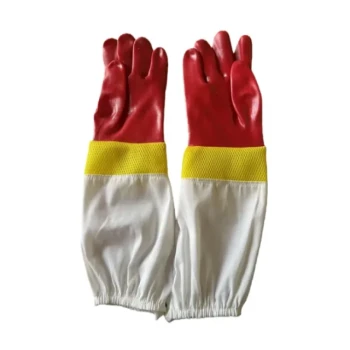
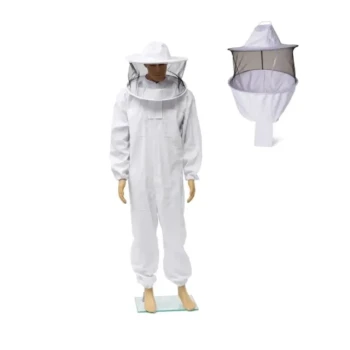
A beekeeping jacket is a specialized protective garment designed to shield the upper body while prioritizing ease of use and mobility. These jackets typically feature an integrated veil, heavy-duty zippers, and thumb hooks to secure sleeves, offering a lightweight and cooler alternative to a full-body bee suit.
The beekeeping jacket serves as the ideal middle ground between safety and convenience, offering robust upper-body protection that is faster to put on and significantly cooler than a full suit.
Key Construction Features
To function effectively, a beekeeping jacket relies on specific design elements that ensure a secure seal against bees.
Integrated Veil Systems
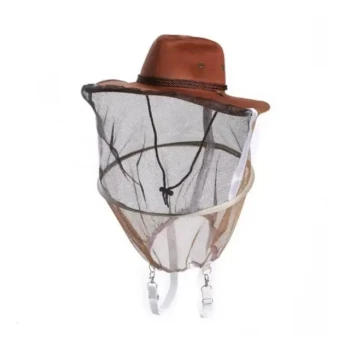
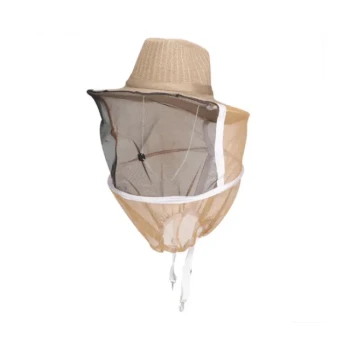
Most jackets come with a veil that is either permanently attached or detachable via a zipper. A high-quality jacket features a zipper connection that is easy to engage, ensuring a tight seal around the neck area where stings are most dangerous.
Secure Closures and Thumb Hooks
The primary reference highlights the importance of strong, durable zippers to prevent mechanical failure during inspections. Crucially, these jackets include thumb hooks at the cuffs. This feature keeps the sleeves pulled down and secured inside your gloves, preventing them from riding up and exposing your wrists.
Material Varieties
Jackets generally come in two main material types: standard and ventilated. Standard jackets are often made of tightly woven cotton. While cost-effective, these can become hot and are sometimes relegated to backup gear. Ventilated jackets utilize multiple layers of permeable foam or mesh. This design allows air to flow through while remaining thick enough to stop a stinger from reaching your skin.
The Operational Benefits
Beekeepers often choose jackets over full suits because they solve specific workflow problems, particularly regarding heat and time.
Speed and Convenience
A jacket is significantly quicker to put on and take off than a full-body suit. This makes it less cumbersome to store and highly advantageous for quick tasks where suiting up fully feels like unnecessary effort.
Temperature Management
Working hives in the summer heat can be dangerous due to the risk of overheating. A jacket is inherently cooler than a full suit, particularly if you opt for a ventilated model that maximizes airflow around the torso.
Improved Mobility
Without the restriction of attached leg protection, a jacket is less cumbersome to wear. This allows for greater freedom of movement when lifting heavy hive boxes or maneuvering in tight spaces.
Understanding the Trade-offs
While a jacket offers superior comfort, it introduces specific vulnerabilities that you must manage.
The Waist Gap Risk
The most significant downside is the potential for a gap to form between the bottom of the jacket and the waistband of your pants. If the jacket rides up while you are bending over, it creates an entry point for bees to crawl underneath the gear.
Lower Body Exposure
Unlike a full suit, a jacket leaves your legs exposed. This results in a higher probability of receiving stings on the legs, particularly if you are working with an aggressive hive or if a bee falls onto the ground and crawls up your pant leg.
Clothing Damage
Because you are wearing your own pants, they are susceptible to stains from propolis, wax, and grass. You must be prepared to wear "dedicated pants" that you do not mind ruining during hive inspections.
Making the Right Choice for Your Goal
The decision to use a jacket depends largely on your local climate and your comfort level with bees.
- If your primary focus is speed and heat management: A ventilated jacket is the superior choice, allowing for quick inspections without the risk of overheating.
- If your primary focus is maximum safety: You must be vigilant about wearing thick jeans and ensuring the jacket's elastic waist is tight to prevent the "waist gap" vulnerability.
The beekeeping jacket is a powerful tool for the experienced apiarist who values mobility and airflow over total body coverage.
Summary Table:
| Feature | Description | Key Benefit |
|---|---|---|
| Integrated Veil | Permanent or detachable zipper system | Secure neck protection & high visibility |
| Ventilated Mesh | Multi-layer permeable foam/fabric | Maximum airflow & sting prevention |
| Thumb Hooks | Elastic loops at the sleeve cuffs | Prevents sleeves from riding up under gloves |
| Elastic Waist | Tight-fitting bottom seal | Minimizes the risk of bees entering at the waist |
| Mobility Design | Upper-body focus without leg coverage | Greater range of motion for lifting hives |
Scale Your Apiary Operations with HONESTBEE
Looking to equip your commercial apiary or expand your distribution inventory? HONESTBEE provides the industry's most reliable beekeeping jackets, machinery, and essential consumables designed for professional performance.
From high-airflow ventilated gear to specialized honey-filling and hive-making machinery, we offer comprehensive wholesale solutions tailored to your business needs. Contact us today to discuss our bulk pricing and see how our premium beekeeping tools and cultural merchandise can add value to your brand.
Related Products
- Economy Polyester Beekeeping Jacket with Veil and Hat
- Square Folding Beekeeping Hat with Integrated Veil
- Beekeeping Jacket with Hood and Veil for Beekeepers
- White Cotton Beekeeping Jacket and Veil for Bee Keepers
- Vented Beekeeping Jacket with Hood and Veil for Beekeepers
People Also Ask
- When is a beekeeping jacket considered a more suitable choice than a full suit? Optimize Your Apiary Mobility
- What are the advantages of a beekeeping jacket? Superior Mobility & Comfort for Routine Hive Inspections
- What are the features of an economical beekeeping jacket? Essential Protection for Budget-Conscious Beekeepers
- What factors should a new beekeeper consider when choosing between a jacket and a full suit? Security vs. Comfort
- What are the pros of using a beekeeping jacket? Unlock Superior Comfort and Mobility for Your Apiary