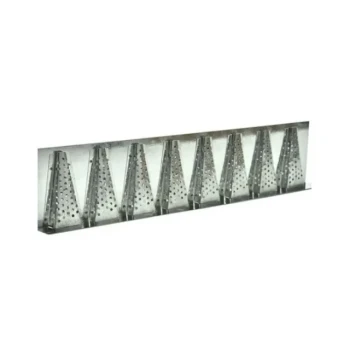
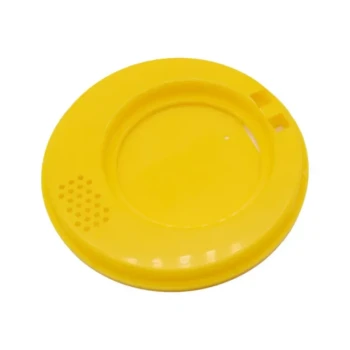
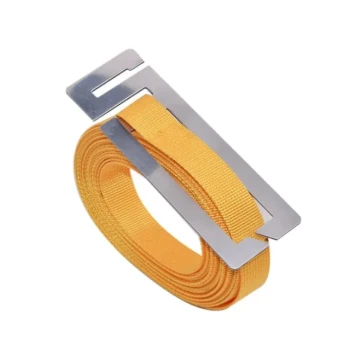
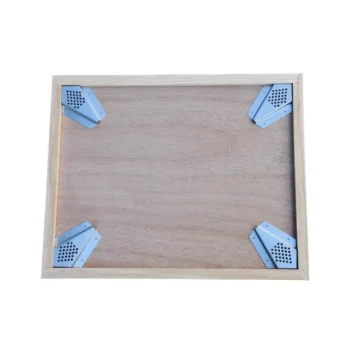
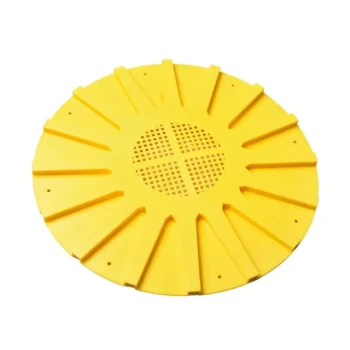
The circular metal beehive entrance disc is a precision tool that offers four distinct settings to manage colony access and internal conditions. These adjustable functions are open access for unrestricted traffic, completely closed for transport or total security, a queen excluder mode to restrict the queen's movement, and a ventilation-only option that permits airflow while blocking bee passage.
By mounting this single device, beekeepers gain the ability to instantly toggle between maximizing foraging efficiency, securing the hive against pests, and regulating temperature without needing to swap out separate physical components.
Managing Flow and Environment
The entrance disc is not just a door; it is a control valve for the hive's ecosystem. By rotating the disc, you directly influence how the colony interacts with the outside world.
Full Open Access
This setting creates a large, unobstructed opening. It is designed for periods of heavy nectar flow when maximum traffic efficiency is required.
It allows foragers to enter and exit rapidly without congestion, ensuring the colony can gather resources effectively during peak season.
Ventilation-Only Mode
This function aligns perforations or small holes over the entrance. It is critical for temperature regulation, allowing hot air to escape and fresh air to enter without letting bees out.
This is particularly useful when transporting hives or confining bees during pesticide application, ensuring they do not suffocate while locked inside.
Security and Population Control
Beyond simple traffic management, the disc serves as a security gate. It allows you to enforce specific rules regarding who enters and who leaves the colony.
The Queen Excluder Function
This setting features slots sized specifically to allow worker bees to pass while blocking the larger queen.
This is essential for preventing swarms or keeping a queen confined to the hive during specific breeding or management procedures.
Completely Closed
Turning the disc to this position creates a solid barrier. This is used to shut down the hive entirely, often for moving the colony to a new location.
It also serves as an emergency security measure to completely stop robbing attempts by wasps or bees from other colonies.
Operational Considerations and Trade-offs
While the metal disc offers versatility, it operates differently than traditional wooden entrance reducers. Understanding these mechanical differences is key to effective use.
Installation Requirements
The disc is designed to be mounted with a screw directly over the entrance hole.
The tension on the screw must be balanced; it needs to be loose enough to rotate by hand but tight enough to stay in position despite hive vibrations.
Security vs. Insulation
Unlike thick wooden entrance blocks, the metal disc is thin. While it is excellent for physical security against intruders, it provides less thermal insulation during extreme cold.
However, it compensates for this by offering superior ventilation control, which helps manage moisture—a critical factor in winter survival.
Making the Right Choice for Your Hive Management
The effectiveness of the entrance disc depends on matching the setting to your immediate goal.
- If your primary focus is maximum honey production: Use the open access setting to eliminate traffic bottlenecks for foragers.
- If your primary focus is transport or moving the hive: Use the completely closed setting to ensure no bees escape during transit.
- If your primary focus is swarm management: Use the queen excluder function to keep the queen inside while allowing workers to forage.
- If your primary focus is safety during confinement: Use the ventilation-only option to ensure the colony has air while remaining locked down.
Mastering these four positions allows you to adapt to changing seasons and threats with a simple turn of the wrist.
Summary Table:
| Function | Description | Primary Use Case |
|---|---|---|
| Full Open Access | Unobstructed entry/exit for maximum traffic. | Peak nectar flow and honey production. |
| Ventilation-Only | Small perforations for airflow without bee passage. | Transport and pesticide application safety. |
| Queen Excluder | Sized slots allowing workers while blocking the queen. | Swarm management and breeding control. |
| Completely Closed | Solid barrier sealing the hive entirely. | Moving hives and stopping robbing attempts. |
Elevate Your Beekeeping Operation with HONESTBEE
At HONESTBEE, we specialize in empowering commercial apiaries and distributors with professional-grade solutions. Whether you need precision hardware like hive-making and honey-filling machines or essential consumables and tools, our comprehensive wholesale offering is designed to scale your success.
Why partner with us?
- Comprehensive Portfolio: From specialized beekeeping machinery to honey-themed cultural merchandise.
- Built for Scale: Reliable supply chains tailored for large-scale operations and distribution networks.
- Industry Expertise: Quality equipment that enhances colony management and production efficiency.
Ready to upgrade your equipment inventory? Contact HONESTBEE today to explore our wholesale catalogs and discover how we can support your business growth.
Related Products
- Steel Round Disc Entrance Reducer for Flexzion Bee Hive Nuc Box Gate
- Multi-Functional Rotary Hive Entrance Disc for Beekeeping
- Beehive Entrance Discs Plastic Bee Entrance Disc for Bee Hives
- Professional Reversible Beehive Hive Entrance
- Multi-Functional Sliding Hive Entrance for Beekeeping
People Also Ask
- What is the purpose of an entrance reducer for a beehive? Strengthen Colony Defense and Prevent Robbery
- Why are entrance reducers used to counter hornet infestations? Protect Your Hive with Strategic Choke Points
- Why is it critical to maintain a smaller entrance for a newly established bee hive? Boost Colony Growth and Security
- Under what conditions should a beekeeper adjust the size of a beehive entrance? Seasonal & Defense Management Tips
- What is the function of an entrance reducer on a beehive? Strengthen Colony Defense and Climate Control