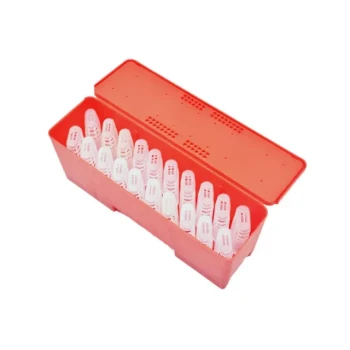
Standardized bee boxes offer a decisive advantage in meliponiculture by replacing the unpredictability of natural nests with a system designed for active management. While natural nests offer basic shelter, standardized boxes provide a controlled environment that simulates the microclimate of tree hollows while unlocking superior capabilities for monitoring colony vitality, protecting against predators, and efficiently harvesting resources.
The shift to standardized boxes transforms stingless beekeeping from a passive observation activity into a controlled, scalable industry by providing a predictable physical structure for monitoring, protection, and production.
Enhancing Management and Vitality
Superior Monitoring Capabilities
In a natural nest, gauging the health of the colony is difficult without disturbing the structure. Standardized boxes allow for non-invasive monitoring, enabling you to easily observe colony growth and vitality. This visibility allows for the early detection of issues before they become critical.
Targeted Disease and Pest Control
Because the physical structure is controlled and predictable, you can implement targeted maintenance strategies. This design facilitates effective monitoring for pests and diseases, ensuring the long-term sustainability of the colony.
Observation of Defensive Behaviors
The artificial environment provides a window into the colony's natural behaviors. You can more easily observe defensive mechanisms, such as propolis application, which serves as a key indicator of colony strength and responsiveness.
Optimizing Production and Scalability
Simplified Harvesting
The primary functional benefit for producers is the optimization of the internal nest structure. Standardized boxes are designed to simplify the harvesting of high-value products like honey, propolis, and bee bread. This structure ensures that extraction is efficient and sustainable, minimizing damage to the brood.
Industrial-Scale Modularity
For those aiming for large-scale production, natural nests are too irregular for efficient management. The modular design of man-made hives creates a standardized workflow, making them a fundamental component for industrial beekeeping.
Understanding the Trade-offs
The Requirement of Active Management
While standardized boxes simulate natural hollows, they place the burden of microclimate control on the beekeeper. Unlike a natural nest where bees select the optimal site, a box is an imposed environment; you must ensure it accurately mimics the necessary natural conditions or risk colony collapse.
Robustness vs. Adaptation
Boxes provide robust protection against predators, often superior to decaying natural wood. However, this rigidity means the bees cannot easily expand or modify the hive dimensions as they would in a softer natural substrate. You must choose the correct box size from the start to match the species' colony size.
Making the Right Choice for Your Goal
To determine the best approach for your meliponiculture project, consider your end-game:
- If your primary focus is commercial production: Prioritize standardized wooden boxes to maximize harvesting efficiency, streamline pest control, and enable modular expansion.
- If your primary focus is small-scale hobbyist observation: You may find that natural coconut shell nests or simple structures offer enough control for basic monitoring without the complexity of industrial setups.
Standardized housing allows you to stop reacting to nature and start managing it for sustainable growth.
Summary Table:
| Feature | Natural Nests | Standardized Bee Boxes |
|---|---|---|
| Monitoring | Difficult & Invasive | Easy & Non-invasive |
| Pest Control | Reactive / Limited | Proactive & Targeted |
| Harvesting | Destructive / Irregular | Efficient & Sustainable |
| Scalability | Low (Irregular sizes) | High (Modular design) |
| Protection | Vulnerable to decay | Robust predator defense |
| Environment | Self-selected | Beekeeper managed |
Elevate Your Meliponiculture with HONESTBEE
Transitioning from natural nests to professional equipment is the first step toward a thriving commercial apiary. HONESTBEE empowers commercial beekeepers and distributors by providing the industry's most comprehensive range of tools and machinery. From precision-engineered hive-making machines to high-efficiency honey-filling equipment, we deliver the specialized hardware you need to scale your production.
Whether you are looking to source wholesale beekeeping consumables or specialized honey-themed merchandise, our portfolio is designed to maximize your efficiency and market reach. Partner with us to transform your passion into a high-yield industrial operation.
Contact our experts today to build your professional apiary
References
- H Herwina, BY Christy. Characteristics of stingless bees (Hymenoptera: Apidae: Meliponini) from Universitas Andalas Limau manis campus complex and its implication in pollination and ecotourism. DOI: 10.18697/ajfand.115.20895
This article is also based on technical information from HonestBee Knowledge Base .
Related Products
- Plastic Transporting Bee Packages and Nuc Boxes for Beekeeping
- JZBZ Style Professional Battery Box with 20 Shipping Cages
- 5 Frame Wooden Nuc Box for Beekeeping
- Australian Langstroth Beehive Boxes for Beekeeping Wholesales
- Metal Bee Hive Stand Bee Box Stand for Beekeeping
People Also Ask
- What role do bee package boxes play in the commercial transport and expansion of honeybee colonies? - Logistic Essentials
- What are beekeeping boxes called? A Guide to Hive Bodies and Box Types
- How do standardized bee packages serve as a recovery mechanism for commercial beekeeping? Ensure Business Continuity
- What is the commercial value of using standardized bee packages? Drive Scalability in Large-Scale Apiaries
- Why is the timely introduction of high-quality bee packages critical? Save Your Apiary from Asian Hornet Invasions