Conical grass-woven hives are traditional beekeeping structures designed to provide a fundamental habitat for honeybee colonies using locally sourced plant fibers. Functionally, they offer a lightweight, breathable nesting space that minimizes production costs, though they lack the internal mechanisms required for high-efficiency colony management found in modern apiary systems.
While they may not offer the harvest efficiency of standardized wooden frames, conical grass-woven hives remain a critical tool for decentralized beekeeping in tropical zones, balancing low resource requirements with the creation of a suitable natural microclimate.
The Functional Design of Woven Hives
Construction and Materials
These hives are characterized by their simple design and use of available natural resources. Constructed from woven plant fibers, they are significantly lighter than timber-based alternatives.
Environmental Regulation
A key functional characteristic is breathability. The woven nature of the container allows for air exchange, helping to maintain an appropriate microclimate within the hive. This is particularly vital in the tropical agro-ecological zones where these hives are most commonly deployed.
Colony Habitat
The primary function of the hive is to provide a basic nesting space. It creates an enclosed environment essential for the colony to live, breed, and produce honey. Unlike modern boxes that manipulate space for maximum yield, the grass-woven hive mimics a more natural, albeit basic, cavity.
Operational Characteristics
Mobility and Handling
Due to the lightweight materials used, these hives facilitate easier movement and handling. This portability allows beekeepers to position hives in decentralized locations, such as suspending them in trees or placing them under eaves, adapting to the local landscape.
Economic Accessibility
The most distinct functional characteristic is low production cost. By relying on indigenous materials and simple craftsmanship, these hives lower the barrier to entry for beekeepers, making them a foundational tool in resource-constrained environments.
Understanding the Trade-offs
Management Limitations
The most significant downside is reduced efficiency in colony management. Unlike modern wooden hives with standardized movable frames, grass-woven hives do not easily allow for internal inspections without disturbing the colony's structure.
Harvesting Challenges
Honey collection is generally less efficient compared to modern systems. Because the structure does not separate the brood (breeding area) from the honey stores using frames, harvesting often involves more intrusive methods that can damage the colony or the hive structure itself.
Assessing Suitability for Your Context
Choosing the right hive type depends heavily on your environmental constraints and production goals.
- If your primary focus is low-cost entry: These hives are ideal as they utilize free or cheap local plant fibers and require minimal capital investment.
- If your primary focus is high-yield commercial production: You should opt for modern wooden hive bodies with standardized frames to facilitate frequent inspection and non-destructive harvesting.
- If your primary focus is tropical adaptation: The breathable nature of grass-woven hives offers superior microclimate regulation compared to solid timber or synthetic materials in hot, humid climates.
Success in beekeeping requires matching your hive technology to both your local ecology and your management capacity.
Summary Table:
| Feature | Grass-Woven Hive Characteristics | Impact on Beekeeping |
|---|---|---|
| Material | Locally sourced plant fibers | Minimal capital investment and lightweight |
| Thermal Control | High breathability & natural insulation | Superior microclimate for tropical zones |
| Mobility | Low weight and portable design | Easy to hang or position in varied terrain |
| Cost | Negligible production expense | Lower barrier to entry for new beekeepers |
| Management | Fixed-comb structure | Limited inspection and lower harvest efficiency |
Elevate Your Apiary with Professional Tools
While traditional methods offer unique benefits, scaling your business requires precision and efficiency. HONESTBEE empowers commercial apiaries and distributors with high-performance beekeeping solutions.
From durable hive-making machinery and automated honey-filling systems to a complete range of professional-grade tools and essential consumables, we provide the hardware necessary to transform traditional knowledge into high-yield commercial success.
Ready to upgrade your production capacity? Contact HONESTBEE today to explore our wholesale equipment and specialized merchandise designed for the modern industry.
References
- Osoe Bouli Freddy Patrick Ngah, liman Hamidou. Socio technical characteristics of beekeeping and honey production in Cameroon. DOI: 10.31248/jasvm2023.401
This article is also based on technical information from HonestBee Knowledge Base .
Related Products
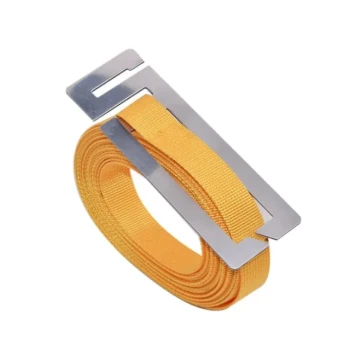
- Heavy-Duty Nylon Beehive Hive Strap with Stainless Steel Cinch Buckle
- Wholesales Dadant Size Wooden Bee Hives for Beekeeping
- Conical Nylon Honey Strainer Filter Bag for Beekeeping and Honey Filtration
- Solid Bottom Board Australian Pine Wood Langstroth Bottom Board for Wholesale
People Also Ask
- What role do standardized beehive fastening and protective consumables play? Secure Colonies Against Natural Disasters
- How does the performance of ratchet straps compare to cam buckle straps for securing beehives? Expert Comparison Guide
- What is a good way to store hive straps to keep them organized? Master the Art of Tangle-Free Hive Transport
- What are the two main styles of hive straps? Choosing Between Cam Buckles and Ratchet Mechanisms for Your Apiary
- What are the two styles of hive straps? Choose the Right Strap for Your Hive Security