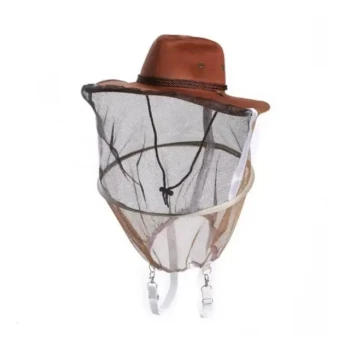
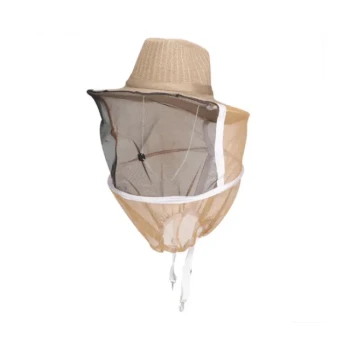
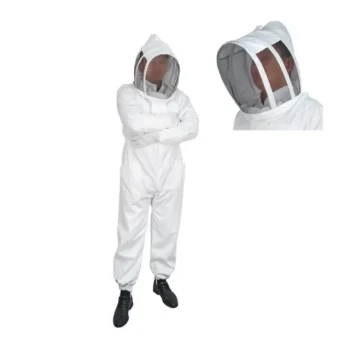
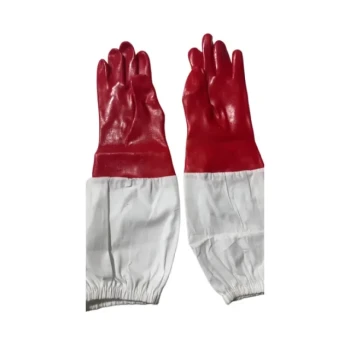
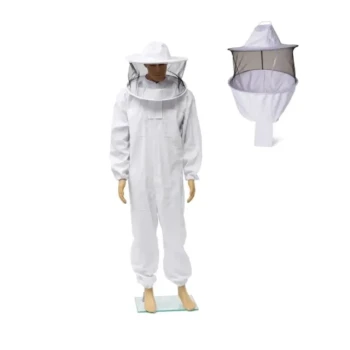
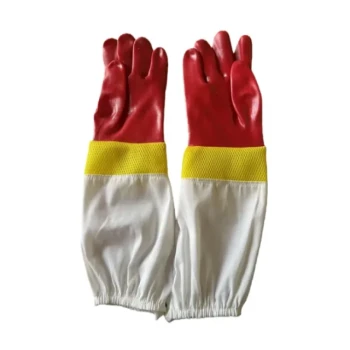
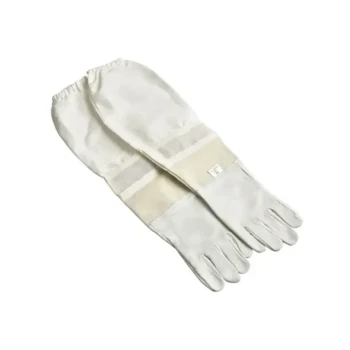
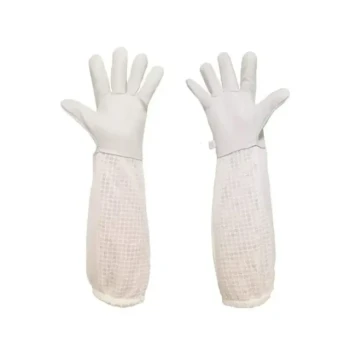
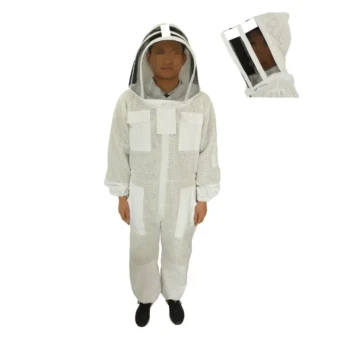
Professional beekeeping protective clothing and disinfection equipment serve as a critical biosecurity firewall against disease spread.
Their primary function is to prevent the mechanical transmission of pathogens, such as American Foulbrood (AFB) spores, which can easily adhere to tools and garments and be transported between apiaries. Additionally, specialized gear protects operators from the hazardous chemicals required to effectively sterilize hive components.
Core Insight: By establishing strict physical barriers and utilizing site-specific sterilization, professional equipment breaks the chain of infection for contagious diseases. This hardware is not merely for sting protection; it is a fundamental operational requirement for maintaining ecological safety and preventing cross-contamination in large-scale beekeeping.
Establishing Biosecurity Barriers
Preventing Mechanical Transmission
The most insidious threat to an apiary is not always natural migration, but human interaction. Pathogens like American Foulbrood (AFB) produce spores that are highly resilient and sticky.
Protective clothing acts as a physical shield, catching these spores before they contact the operator's skin or personal clothing. This containment prevents the operator from becoming a vector that unknowingly carries infection from a sick colony to a healthy one during inspections.
Breaking Cross-Regional Pathogen Pathways
In commercial operations, moving between different regions increases the risk of spreading pathogens like microsporidia to wild or distant populations.
Site-specific disinfection equipment ensures that tools used in one location are neutralized before entering another. When combined with sealed transport containers for infected materials, this equipment effectively severs the transmission paths that threaten regional ecological safety.
Protecting the Operator During Disinfection
Shielding Against Chemical Exposure
Effective disease control often requires harsh sterilization agents, such as formaldehyde and acetic acid.
Standard beekeeping veils are insufficient for this task. Professional disinfection protocols require chemical-resistant suits, rubber gloves, and safety goggles. This gear protects the skin and mucous membranes from severe burns and damage caused by strong acids and alkalis.
Respiratory Safety from Volatile Vapors
The chemicals used to sanitize hive structures often release highly volatile and harmful vapors.
To manage this risk, operators must utilize multi-functional respiratory masks. These devices provide a necessary barrier for the respiratory tract, allowing technicians to perform high-standard disinfection without compromising their own long-term health.
Understanding the Operational Trade-offs
The Risk of False Security
Possessing the equipment is not the same as using it correctly. A protective suit that is not regularly cleaned or changed between sites can become a fomite (a surface that carries infection) itself.
Specialized Gear Constraints
There is a distinct difference between gear designed for colony management and gear designed for disinfection.
- Management Gear: Focuses on breathability and sting prevention.
- Disinfection Gear: Focuses on chemical impermeability.
Using a standard canvas bee suit while handling liquid formaldehyde offers virtually no protection against chemical soak-through. Conversely, wearing heavy chemical-resistant rubber gear during hot field inspections can lead to heat exhaustion. Operators must match the specific hardware to the specific task.
Implementing Effective Disease Control
To maximize the efficacy of your biosecurity protocols, match your equipment strategy to your specific operational goals:
- If your primary focus is Preventing Colony Infection: Prioritize strict "clean breaks" between apiaries by disinfecting tools and changing outer protective garments before moving to a new site.
- If your primary focus is Equipment Sterilization: Ensure your team is equipped with chemical-resistant respirators and gloves specifically rated for the acids and aldehydes you use to clean hives.
- If your primary focus is Ecological Safety: Utilize sealed transport containers for any organic waste or old hive structures to prevent pathogen spillover into wild pollinator populations.
True apiary health relies on the disciplined application of barriers that protect both the bees from disease and the beekeeper from the cure.
Summary Table:
| Equipment Type | Primary Function | Key Biosecurity Benefit |
|---|---|---|
| Protective Clothing | Physical Barrier | Prevents mechanical transmission of spores (e.g., AFB) between colonies. |
| Disinfection Gear | Tool Sterilization | Breaks the chain of infection by neutralizing pathogens on hardware. |
| Chemical-Resistant Suits | Operator Safety | Protects beekeepers from harsh sterilization agents like formaldehyde. |
| Respiratory Masks | Vapor Protection | Shields the respiratory tract from volatile chemical fumes during cleaning. |
| Sealed Containers | Waste Management | Prevents pathogen spillover during the transport of infected hive materials. |
Strengthen Your Apiary Biosecurity with HONESTBEE
Protect your colonies and your business from the devastating impact of cross-contamination. HONESTBEE provides commercial apiaries and distributors with high-performance beekeeping tools, specialized machinery, and chemical-resistant protective gear designed for rigorous disinfection protocols.
Whether you need hive-making machines to replace infected stock or advanced honey-filling equipment, our comprehensive wholesale portfolio supports your operational safety and growth.
Ready to upgrade your biosecurity standards?
Contact Us Today to Discuss Your Wholesale Needs
References
- Marie‐Pierre Chauzat, Magali Ribière-Chabert. Risk indicators affecting honeybee colony survival in Europe: one year of surveillance. DOI: 10.1007/s13592-016-0440-z
This article is also based on technical information from HonestBee Knowledge Base .
Related Products
- Premium Cowboy Beekeeper Hat with Visibility Veil Outdoor Professional Beekeeping Protective Gear
- White Cotton Beekeeping Jacket and Veil for Bee Keepers
- Beekeeper Cowboy Hat and Veil for Beekeeping
- Premium Cotton Beekeeper Suit with Reinforced Fencing Veil
- Beekeeping Jacket with Hood and Veil for Beekeepers
People Also Ask
- What design features contribute to the stability and fit of the beekeeper hat? Key Features for Maximum Hive Safety
- How is the beekeeper hat designed for comfort and practicality? Explore Key Features for Enhanced Apiary Safety
- What is the general protective gear recommendation for new beekeepers? Your Essential Beginner's Safety Guide
- How does beekeeping protective gear facilitate the queen bee selection process? Enhancing Precision in Queen Breeding
- What should beekeepers consider when choosing protective gear? A Guide for Maximum Safety & Comfort