Trapped pollen is an inherently fragile agricultural product that requires rigorous adherence to strict timing and moisture control protocols. To maintain its quality, you must collect the pollen every single day and immediately subject it to preservation methods, such as freezing or drying, while ensuring it remains completely protected from environmental moisture.
The viability of trapped pollen depends entirely on minimizing exposure time and moisture. Because pollen decays and molds rapidly when wet or neglected, a daily collection routine followed by immediate processing is non-negotiable for a quality product.
The Imperative of Speed and Routine
Daily Collection Requirements
Consistency is the foundation of quality pollen production. You must harvest the pollen daily without exception.
Leaving pollen in the trap for longer than 24 hours increases its exposure to ambient humidity and potential contaminants.
Immediate Preservation
Once the pollen is collected, it must be processed immediately. You cannot store raw pollen at room temperature even for short periods.
To arrest degradation, you must either freeze or dry the pollen effectively as soon as it is removed from the hive.
Managing Environmental Threats
The Critical Role of Moisture Control
Moisture is the primary enemy of pollen quality. It is crucial to prevent the pollen from getting wet at any stage of the process.
If pollen absorbs moisture, it will begin to mold and decay rapidly, rendering the harvest useless.
Handling Fragility
Trapped pollen is structurally delicate. It requires careful physical handling during collection and transport to prevent crushing the granules.
Rough handling can degrade the physical integrity of the pollen, making it more susceptible to spoilage.
Common Pitfalls to Avoid
The Cost of Delay
The most common error in pollen trapping is delaying the preservation process. Even a slight delay between collection and freezing (or drying) allows enzymatic degradation to begin.
Weather Vulnerability
Failing to account for weather conditions is a significant risk. If rain enters the trap or high humidity permeates the collection drawer, the pollen will likely mold before you even collect it.
Ensuring Optimal Quality
To maximize the value and safety of your trapped pollen, adhere to the following guidelines based on your processing capabilities:
- If your primary focus is immediate preservation: Freezing the pollen immediately after daily collection is the most effective way to halt decay.
- If your primary focus is shelf stability: Drying the pollen immediately ensures it can be stored without risk of mold, provided moisture is removed thoroughly.
Treat pollen as a highly perishable fresh food item, rather than a durable dry good, to maintain professional standards of quality.
Summary Table:
| Factor | Requirement | Impact on Quality |
|---|---|---|
| Collection Frequency | Every 24 hours (daily) | Prevents mold growth and environmental degradation. |
| Moisture Control | Strict exclusion of water/humidity | Stops rapid decay and ensures structural integrity. |
| Immediate Action | Freeze or dry instantly | Halts enzymatic breakdown and preserves nutrients. |
| Handling | Gentle physical management | Maintains granule shape and prevents crushing. |
Elevate Your Apiary’s Productivity with HONESTBEE
Maintaining the delicate quality of trapped pollen requires the right tools and expertise. At HONESTBEE, we empower commercial apiaries and distributors with high-performance beekeeping machinery and essential consumables. Whether you need advanced pollen processing equipment, precision honey-filling machines, or durable hive-making hardware, our comprehensive wholesale solutions are designed to scale your operations.
Ready to enhance your output and safeguard your harvest quality? Contact our experts today to discover how our professional-grade equipment can streamline your production from hive to market.
Related Products
- Removable Plastic Pollen Trap With Ventilated Tray for Bees Pollen Collector
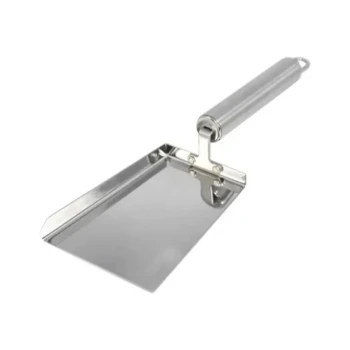
- Heavy-Duty Ergonomic Stainless Steel Pollen Shovel
- Plastic Bee Pollen Trap Strips Comb Catcher Collector
- Heavy-Duty Ergonomic Grip Galvanized Pollen Shovel
- 30 cm Plastic Entrance Hole Bee Pollen Trap and Collector
People Also Ask
- What are the design principles and advantages of pollen traps in the collection of bee pollen? Boost Your Apiary Yield
- What is the function of professional pollen traps in evaluating honey plants? Quantifying Pollination and Crop Potential
- What functions do pollen traps serve for bee bread production? Optimize Your Raw Material Collection
- What maintenance and pest prevention measures should be taken for pollen traps? Protect Your Hive and Harvest Quality
- How does the use of pollen traps in honeybee hives enhance crop fertilization? Boost Your Yield Through Induced Activity