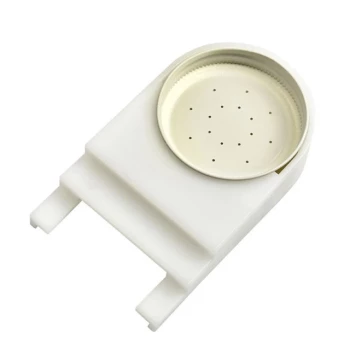
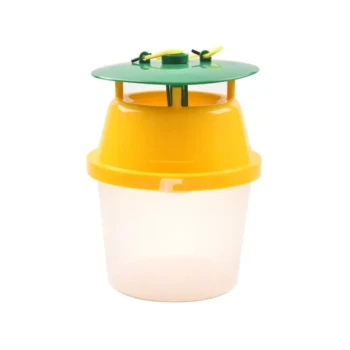
Specialized feeders and liquid troughs serve a critical function in insect research by delivering consistent, essential nutrition to artificial colonies. These devices are engineered to provide high-concentration sucrose solutions (typically 40% v/v) and solid protein sources, such as pollen cakes. Their primary operational goal is to establish ad libitum feeding conditions, ensuring insects have unrestricted access to food at all times.
Core Takeaway By providing unrestricted access to nutrition, these specialized feeders eliminate starvation as a variable in experimental data. This allows researchers to attribute mortality solely to experimental factors, such as pathogens, rather than nutritional stress.
The Role of Nutritional Consistency
Delivering High-Energy Sources
Specialized liquid troughs are designed to dispense high-concentration energy sources efficiently. The primary standard for this is a sucrose solution at approximately 40% volume per volume (v/v).
Providing Essential Protein
Beyond simple carbohydrates, research colonies require complex nutrients for development. Feeders facilitate the delivery of protein-rich solids, such as pollen cakes, which are necessary for maintaining insect physiology.
The Principle of Ad Libitum Feeding
The defining feature of these devices is their ability to support ad libitum feeding. This means food is available "at one's pleasure" or without limit, preventing resource competition within the colony.
Eliminating Confounding Variables
Removing Starvation Stress
In any biological experiment, stress factors can skew results. By using specialized feeders to guarantee constant food access, researchers effectively remove starvation as a potential cause of death.
Clarifying Mortality Data
When insects are reared in these controlled environments, longevity becomes a cleaner metric. If an insect dies, the researcher can be confident the cause was not a lack of basic sustenance.
Focusing on Pathogen Interaction
The ultimate goal of using these high-performance feeders is to isolate specific biological interactions. Specifically, they allow for precise observations of how pathogens affect survival probabilities without the "noise" of malnutrition.
Common Pitfalls in Rearing
The Danger of Nutritional Confounding
If feeders are not utilized or maintained, nutrition becomes a confounding variable. You cannot accurately measure the lethality of a pathogen if the subject is simultaneously suffering from caloric restriction.
Maintenance Dependencies
While these devices solve the issue of availability, they rely on consistent replenishment. If a feeder runs dry or becomes blocked, the ad libitum condition is broken, immediately compromising the integrity of the survival data.
Optimizing Your Colony Rearing Strategy
To ensure your experimental data is valid, you must align your equipment choice with your research goals.
- If your primary focus is Pathogen Research: Prioritize feeders that support ad libitum access to ensure mortality data reflects disease impact, not hunger.
- If your primary focus is Colony Longevity: Use troughs capable of dispensing both high-concentration sucrose and protein solids to maximize general health.
By removing nutritional stress from the equation, you transform your colony from a simple culture into a precise scientific instrument.
Summary Table:
| Feature | Function | Research Benefit |
|---|---|---|
| Ad Libitum Feeding | Provides unrestricted access to food | Eliminates starvation as a variable |
| Liquid Troughs | Delivers 40% v/v sucrose solutions | Ensures consistent high-energy intake |
| Solid Feeders | Dispenses pollen cakes/protein solids | Supports physiological development |
| Stress Reduction | Removes nutritional confounding factors | Clarifies mortality and pathogen data |
Elevate Your Apiary Operations with HONESTBEE
Are you looking to scale your commercial apiary or expand your distribution of professional beekeeping supplies? HONESTBEE is your dedicated partner in excellence. We provide a comprehensive wholesale catalog including:
- Precision Machinery: Hive-making and honey-filling machines for high-volume production.
- Professional Equipment: A full spectrum of specialized beekeeping tools and essential consumables.
- Niche Merchandise: Honey-themed cultural products to diversify your retail offerings.
Whether you are managing massive research colonies or supplying the global beekeeping industry, our hardware and expertise ensure your success. Contact HONESTBEE today to discuss your wholesale needs and discover how our solutions can streamline your operations.
References
- Mathilde Lacombrade, Denis Thiéry. The invasive hornet Vespa velutina nigrithorax is more susceptible to an entomopathogenic fungus than two other hymenopteran species, the wasp Vespula vulgaris and the bumblebee Bombus terrestris. DOI: 10.1007/s10526-025-10331-3
This article is also based on technical information from HonestBee Knowledge Base .
Related Products
- Professional Hive Front Entrance Bee Feeder
- Classic Boardman Entrance Bee Feeder Hive Front Feeding Solution
- Professional In-Hive Frame Bee Feeder by HONESTBEE
- Rapid Bee Feeder White Plastic 2L Round Top Feeder for 8 or 10-Frame Bee Hives
- HONESTBEE Entrance Bee Feeder Efficient Hive Front Liquid Feeding Solution for Beekeeping
People Also Ask
- What types of bee feeders are available for beginners? Start with the Simple Entrance Feeder
- How does a bee entrance feeder work? A Simple Guide to Convenient Hive Feeding
- What is a bee entrance feeder and what are its drawbacks? Essential Guide to Hive Security and Feeding Efficiency
- How do you make an entrance feeder for bees? A Guide to Safe & Effective Hive Feeding
- How to make an entrance feeder for bees? A DIY Guide for Safe & Effective Feeding