To ensure accurate results with a honey refractometer, you must strictly adhere to a cycle of calibration, precise application, and immediate cleaning. The process begins by calibrating the device before every session, continues by applying a thin, bubble-free layer of honey that fully covers the prism, and ends by wiping the device with a damp cloth to prevent residue buildup.
Moisture content is the critical determinant of honey quality; excessive water leads to fermentation and spoilage. Your refractometer is the primary tool for preventing this, but its readings are only as reliable as your consistency in calibration and sample preparation.
Preparing for Precision
The Necessity of Calibration
According to the primary guidelines, you must calibrate the refractometer before every use. Over time, the device's baseline can drift due to handling or temperature changes.
Use distilled or deionized water (or the specific reference solution recommended by the manufacturer) to set the "zero" point. This ensures your subsequent measurements are based on a verified standard.
Sample Homogeneity
Honey is rarely uniform in a storage container; moisture can rise or settle. Before taking a sample, you must thoroughly stir the honey.
Drawing a sample from an unmixed container may result in a reading that represents only a pocket of the honey, rather than the entire batch.
Temperature Equilibrium
Ensure both the honey and the refractometer are at the same ambient room temperature.
Significant temperature discrepancies between the sample and the prism can skew the refractive index, leading to false moisture readings.
Executing the Measurement
Applying the Sample
Apply a small amount of honey to the prism. While the sample should be small, it is critical that the measurement plate is fully covered.
The primary rule here is balance: use enough to coat the glass thinly, but avoid unnecessary excess that creates a mess or leaks out the sides.
Eliminating Air Gaps
Once the cover plate is closed, check for air bubbles. Gentle wiggling of the panel can help push trapped air out.
Air bubbles interfere with the light path and can cause a blurry or inaccurate reading. The sample must be a continuous, flat layer.
Capturing the Reading
Look through the eyepiece while pointing the device toward a bright light source.
Adjust the focus until the scale is sharp and clearly defined, then record the water percentage where the boundary line crosses the scale.
Essential Maintenance
Immediate Cleaning
After every single use, clean the refractometer with a damp, soft cloth.
Allowing honey to dry on the prism can lead to scratching during future cleaning or cross-contamination of future samples. Use lukewarm water if necessary, but avoid harsh chemicals or abrasive materials.
Common Pitfalls and Trade-offs
The Risk of Single-Point Failure
Relying on a single reading is a common error. Due to potential human error or sample variability, it is best practice to take multiple readings and average them.
This statistical approach smooths out anomalies and provides a more confident assessment of the batch's true moisture content.
The Cost of Contamination
Failing to clean the prism thoroughly between samples does not just damage the tool; it corrupts your data.
Old residue alters the refractive index of the new sample, potentially causing you to harvest or bottle honey that is actually above the safe moisture threshold.
Making the Right Choice for Your Goal
Whether you are a hobbyist or a commercial producer, how you apply these steps affects your final product.
- If your primary focus is Avoiding Fermentation: Prioritize mixing your honey before sampling to ensure you aren't missing wet pockets that will spoil the batch.
- If your primary focus is Legal Compliance: Focus on frequent calibration and averaging multiple readings to ensure your product strictly falls below the 21% moisture limit.
Consistency in your technique is the only way to guarantee the longevity and quality of your harvest.
Summary Table:
| Step | Action | Key Benefit |
|---|---|---|
| Calibration | Use distilled water/reference solution | Ensures a verified baseline accuracy |
| Homogeneity | Thoroughly stir the honey batch | Prevents readings from unrepresentative pockets |
| Application | Thin, bubble-free layer on prism | Allows for a clear and precise light path |
| Temperature | Equilibrate sample and device | Minimizes refractive index errors |
| Maintenance | Immediate cleaning with damp cloth | Prevents prism damage and cross-contamination |
Secure Your Honey Quality with HONESTBEE Professional Equipment
At HONESTBEE, we understand that precision is the backbone of a successful commercial apiary. As a dedicated partner to distributors and large-scale beekeeping operations, we provide more than just tools—we provide reliability.
Our extensive portfolio includes:
- Precision Instruments: High-accuracy refractometers and testing kits.
- Heavy Machinery: Advanced honey-filling and hive-making machines.
- Wholesale Supplies: A full spectrum of beekeeping hardware and essential consumables.
- Brand Growth: Honey-themed cultural merchandise to expand your market reach.
Whether you are scaling your production or supplying the next generation of beekeepers, HONESTBEE delivers the quality you need to thrive.
Contact us today to explore our wholesale solutions and machinery!
Related Products
- Digital Honey Refractometer for Precision Measurement of Optimal Honey Quality
- Precision Honey Refractometer Instrument for Quality Assessment
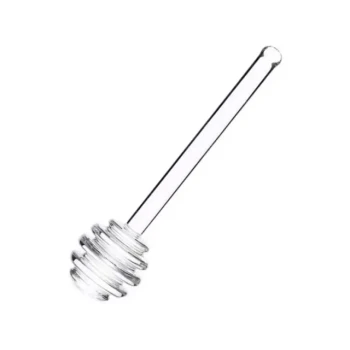
- Premium Heat-Resistant Glass Honey Dipper
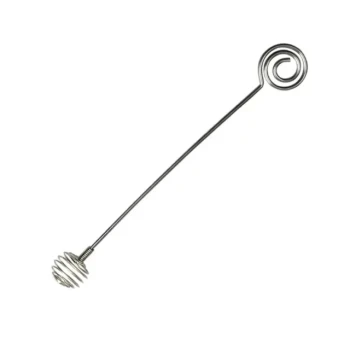
- Modern Stainless Steel Honey Dipper Stirrer
- Heavy Duty 304 Stainless Steel Honey Dipper
People Also Ask
- What role do high-precision refractometers play in determining the maturity and quality of honey? Ensure Honey Purity.
- Do the color and viscosity of honey affect its refractometer reading? Mastering Moisture Measurement Accuracy
- What is a honey refractometer? The Essential Tool for Perfect Honey Quality
- How do refractometers ensure technical precision when measuring honey moisture? Secure Quality and Prevent Fermentation
- How is the reading taken from a honey refractometer? A Guide to Accurate Moisture Measurement