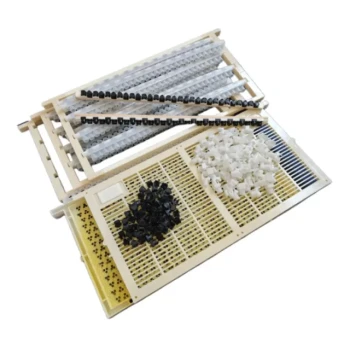
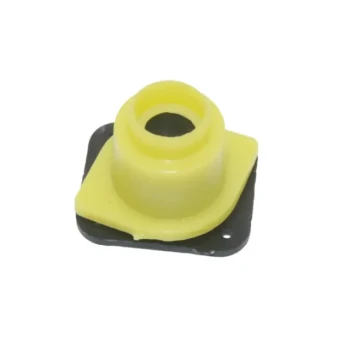
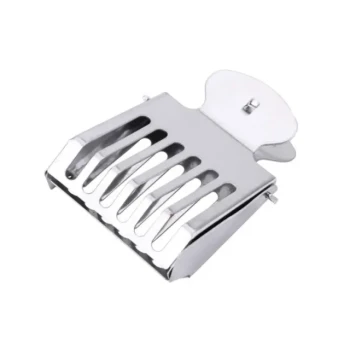
The process of queen raising involves four distinct, sequential stages designed to maximize the health and quality of the resulting queens. This workflow requires establishing specific colony types to initiate and finish the cells, the physical grafting of larvae, and the final transfer to mating nuclei.
Successful queen rearing is not just about biology; it is a logistics challenge that transitions larvae through specific environments—from a queenless starter to a resource-rich finisher—to ensure optimal nutrition and development before the mating flight.
The Four Core Stages of Queen Rearing
To control the genetics and quality of your queens, you must methodically manage the environment the larvae experience at every point in their development.
1. Preparation of the Starter Colony
The first stage involves establishing a starter colony. This is a specifically prepared hive, usually made queenless and crowded with young nurse bees.
Its primary function is to create an immediate, desperate impulse to raise queens. This ensures the bees will accept the artificial queen cups and begin feeding the introduced larvae immediately.
2. Preparation of the Cell-Building Colony
While the starter initiates the cells, it cannot support them long-term. You must establish a cell-building (or finisher) colony for the nurturing phase.
This colony must be extremely populous and resource-rich to provide the copious amounts of royal jelly required for the larvae to reach their full potential.
3. The Grafting Procedure
This is the technical pivot point of the process. It involves grafting honey bee larvae from a selected breeder queen into artificial queen cell cups.
Precision is critical here; the larvae must be extremely young (usually less than 24 hours old) to ensure they develop into high-quality queens rather than workers.
4. Transfer to Mating Nuclei
Once the cell-building colony has capped the queen cells and they are near maturity, you must execute the transfer to nucleus colonies (nucs).
These are small, independent colonies where the virgin queen will emerge safely. The nuc provides the platform for her to take her mating flights and begin laying eggs before being moved to a full-sized hive.
Understanding the Trade-offs
While the four-stage grafting method outlined above is the standard for consistent, high-quality results, it is important to recognize where it fits in the broader spectrum of beekeeping methods.
Complexity vs. Control
The grafting method provides maximum control over genetics and timing, but it is labor-intensive. As noted in the supplementary data, simpler methods exist, such as the "walk-away split."
In a walk-away split, you simply divide a hive and let the bees rear a queen naturally. This requires far less skill but offers zero control over which larvae are chosen or the quality of their nutrition.
Technical Requirements
At the other end of the spectrum is instrumental insemination, a highly intricate method used for strict genetic control.
Unless you are running a breeding program requiring specific lineage isolation, the four-stage natural mating process strikes the best balance between effort and quality for most operations.
Making the Right Choice for Your Goal
Your approach to queen rearing should dictate how strictly you follow these stages.
- If your primary focus is genetic quality and quantity: Strictly follow the four-stage grafting process to ensure every queen receives maximum nutrition and comes from your best stock.
- If your primary focus is low-effort expansion: Utilize the "walk-away split" method, sacrificing genetic control for simplicity and time savings.
- If your primary focus is controlled breeding: Incorporate the four stages but replace open mating with instrumental insemination.
By mastering the transition between the starter, the builder, and the mating nuc, you convert a biological process into a predictable production system.
Summary Table:
| Stage | Key Objective | Key Colony Condition |
|---|---|---|
| 1. Starter Colony | Initiate queen cell acceptance | Queenless and crowded with nurse bees |
| 2. Cell-Builder | Provide maximum royal jelly & nutrition | Populous and resource-rich (Finisher) |
| 3. Grafting | Transfer precise genetics | Larvae < 24 hours old in artificial cups |
| 4. Mating Nucs | Emergence and mating flights | Small, independent colonies for virgin queens |
Elevate Your Queen Rearing Operations with HONESTBEE
Transitioning from a biological process to a predictable production system requires more than just knowledge—it requires the right infrastructure. HONESTBEE empowers commercial apiaries and distributors with a comprehensive suite of professional beekeeping solutions. From precision grafting tools and queen-rearing kits to advanced honey-filling machines and hive-making equipment, we provide the industrial-grade hardware needed to scale your business.
Whether you are expanding your apiary or supplying the next generation of beekeepers, our wholesale portfolio is designed to maximize your efficiency and output.
Ready to optimize your production? Contact us today to discuss our wholesale offerings and industrial machinery.
Related Products
- No Grafting Queen Rearing Kit: System for Royal Jelly Production and Queen Rearing
- Plastic Chinese Queen Grafting Tool for Bee Queen Rearing
- Stainless Steel Queen Grafting Tool for Beekeeping and Bee Queen Grafting
- Stainless Steel Beekeeping Queen Grafting Tool for Honey Bee Rearing
- Premium Nicot Style Queen Rearing Kit with Hair Roller Bee Cages
People Also Ask
- What is the primary function of a queen rearing kit? Eliminate Manual Grafting for Superior Bee Breeding
- How do specialized queen rearing kits and queen management tools improve the success rate of bee colony expansion?
- What are some alternative methods to grafting for queen cell production? Discover Graft-Free Queen Rearing Systems
- Are queen rearing systems generally suitable for all honeybee species? Master Efficient Breeding Methods
- Are queen rearing systems suitable for all beekeepers? Modern Tools for Every Experience Level