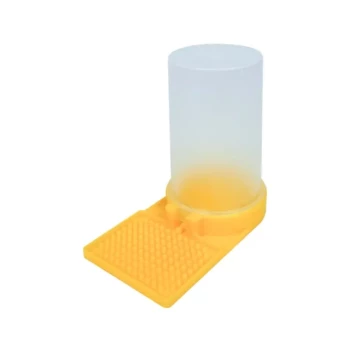
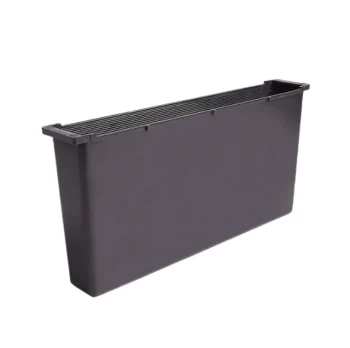
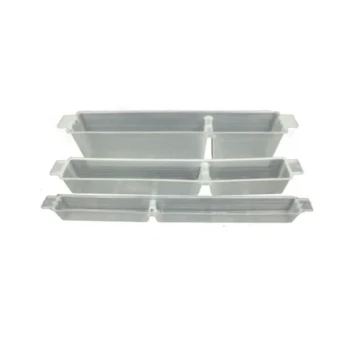
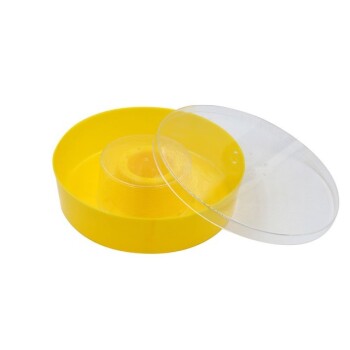
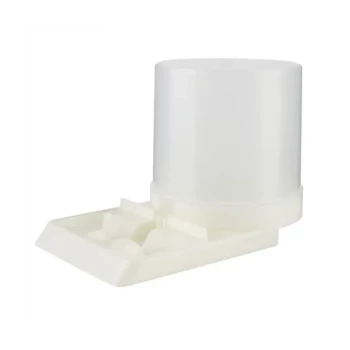
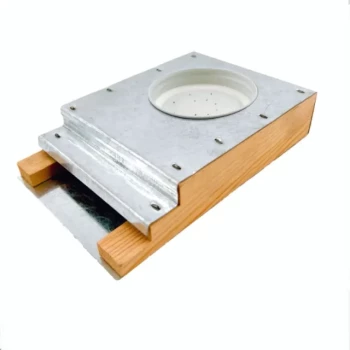
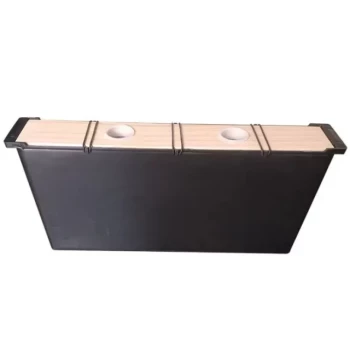
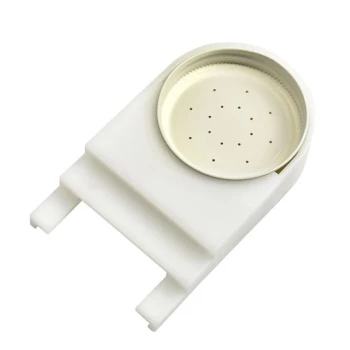
Rapid feeders can substantially reduce feeding labor in commercial apiaries. Miller- and Ashforth-style feeders typically hold 7.5 liters or more of syrup, allowing refills roughly once a week or every two weeks, depending on colony demand. Screened access lets beekeepers replenish feed with less risk of stings or colony disturbance, while light-shielded reservoirs help protect light-sensitive additives from sunlight. Their main operational weaknesses are drowning risk and the significant weight of a full feeder during hive inspections.
Rapid feeders improve labor efficiency and colony management by combining high capacity with relatively low-disturbance refilling. They are most effective when drowning controls, safe handling procedures, and the correct feeder format are built into the operating system.
Where Rapid Feeders Improve Commercial Operations
Fewer refill visits
The primary advantage is capacity. A feeder holding 7.5 liters or more can reduce the frequency of syrup replenishment compared with smaller feeders.
For commercial beekeepers managing many colonies, fewer visits can reduce labor requirements, vehicle use, and time spent moving through apiaries. The actual interval depends on colony strength, weather, season, and feeding objectives.
Less colony disturbance
Rapid feeders generally allow syrup to be added through a screened access area while bees remain separated from the beekeeper.
This reduces the need to open deeply into the hive during routine feeding. Minimizing disturbance is particularly valuable when colonies are being fed frequently or when weather conditions make inspections disruptive.
Improved beekeeper safety
The screened access design helps prevent bees from reaching the operator during refilling. This does not eliminate the need for protective equipment or careful handling, but it can reduce direct contact and sting exposure during a repetitive task.
At commercial scale, even modest improvements in feeding safety become significant when repeated across hundreds or thousands of colonies.
Better protection for light-sensitive additives
Many rapid feeders use a reservoir that shields the syrup from direct sunlight. This can help limit sunlight-related degradation of added medications or supplements.
However, the feeder should not be treated as a substitute for correct storage, mixing, labeling, or application procedures. Any medication must be used according to its approved instructions and local regulations.
Better suitability for organized supply programs
Rapid feeders fit well into standardized commercial feeding programs because they provide a repeatable reservoir size and a familiar operating routine.
For distributors and B2B suppliers, this creates value beyond the feeder itself. Customers may need compatible accessories, replacement screens, syrup-handling equipment, and reliable replenishment support as part of a complete apiary supply program.
How Rapid Feeders Compare With Other Feeding Formats
Rapid or top feeders
Rapid feeders are positioned above the hive and prioritize capacity and access from the top. Their main operational benefit is reducing refill frequency while keeping most of the colony contained below the feeder.
They are a strong choice when the priority is rapid servicing across many colonies, provided the operation can manage the weight and inspection implications.
Internal frame feeders
Internal frame, or division-board, feeders replace one or two standard frames inside the brood box. They keep syrup within the hive body, allowing bees to access feed in poor weather and reducing exposure to neighboring colonies or pests.
Their limitations are different: they occupy brood-box space and require more direct access to the hive interior during installation, inspection, or servicing.
Selecting between formats
The choice depends on the operation’s dominant constraint:
- Choose rapid feeders when refill frequency and low-disturbance servicing are the main priorities.
- Consider internal frame feeders when protected in-hive feeding and all-weather access are more important.
- Use standardized product ranges when multiple apiaries, hive formats, or seasonal feeding programs must be supported consistently.
Understanding the Trade-offs
Drowning remains a real risk
Bees can drown in an open or poorly controlled syrup reservoir, particularly during heavy feeding or when access surfaces become difficult to navigate.
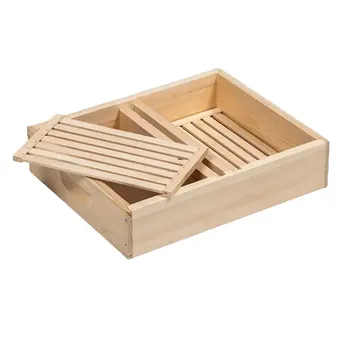
A practical mitigation is to place floating wooden dowel rafts in the feeding area. The rafts provide bees with a surface to land on and can reduce drowning, but they must be positioned securely and checked during routine service.
Full feeders are heavy
A full feeder box can be difficult to lift, especially during hive inspections. The risk increases when the feeder must be removed, tilted, or carried while containing syrup.
This can slow inspections and increase the chance of spills, equipment damage, or back strain. Commercial teams should plan handling procedures around the feeder’s full operating weight rather than its empty weight.
Capacity can encourage overfilling
Large reservoirs are useful only when they match the colony’s consumption rate and the service interval. Overfilling can increase the weight burden and extend the time syrup remains in the feeder.
Feeding schedules should therefore account for colony demand, temperature, storage conditions, and the operational timing of the next visit.
Equipment consistency matters
Rapid feeders must be compatible with the hive configuration and the apiary’s inspection routines. Inconsistent feeder dimensions or replacement components can create delays when managing large inventories.
For commercial buyers, dependable sourcing of complete feeder systems and replacement parts is as important as the initial product specification.
Efficiency depends on field discipline
A high-capacity feeder does not automatically produce an efficient feeding program. Teams still need procedures for checking screens, verifying syrup levels, managing drowning controls, and handling full units safely.
The feeder improves the process; it does not replace process control.
Making the Right Choice for Your Goal
Rapid feeders are most valuable when their capacity and access advantages are matched to the way the apiary actually operates.
- If your primary focus is reducing labor: Use high-capacity rapid feeders to extend refill intervals and standardize feeding rounds.
- If your primary focus is minimizing colony disturbance: Choose screened top access that allows replenishment without opening deeply into the hive.
- If your primary focus is beekeeper safety: Use the screened access design, maintain protective procedures, and avoid lifting full feeders unnecessarily.
- If your primary focus is medication or supplement protection: Use light-shielded reservoirs while still following all product-specific handling and application requirements.
- If your primary focus is inspection efficiency: Plan for the weight of a full feeder and consider whether an internal frame feeder would better suit inspection routines.
- If your primary focus is commercial supply reliability: Source feeders, drowning-control accessories, and replacement components through a supplier capable of consistent inventory, rapid response, and efficient fulfillment.
Used with proper drowning controls and safe handling procedures, rapid feeders can turn a repetitive feeding task into a more predictable and scalable commercial operation.
Summary Table:
| Aspect | Advantage | Drawback |
|---|---|---|
| Capacity | High capacity (7.5+ L) reduces refill frequency | Full feeders are heavy and hard to handle |
| Disturbance | Screened access minimizes colony disturbance | None significant |
| Safety | Lower sting risk during refilling | Full feeders can strain backs |
| Additive protection | Light-shielded reservoirs protect additives | None |
| Drowning | None | Bees may drown; need floating rafts |
| Overfilling | None | Overfilling increases weight and syrup stagnation |
| Consistency | Fits standardized feeding programs | Requires compatible parts and procedures |
| Field efficiency | Supports rapid servicing | Requires disciplined field practices |
Streamline Your Commercial Feeding with HONESTBEE
At HONESTBEE, we understand the demands of commercial apiaries and distributors. Our comprehensive wholesale offering includes rapid feeders, drowning-control accessories, and replacement components—all backed by our one-stop sourcing capabilities, rapid response times, and ultra-fast delivery. Whether you're a distributor seeking reliable supply chains or a beekeeper aiming to cut labor, we provide the expertise and full-spectrum portfolio you need.
Contact us today to discover how we can enhance your feeding efficiency. Get in touch with our team for personalized support and premium trading services.
Related Products
- HONESTBEE Entrance Bee Feeder Efficient Hive Front Liquid Feeding Solution for Beekeeping
- Premium Wood Hive Top Feeder with Floating Rafts for Langstroth Hives
- Professional Hive Top Bee Feeder for Beekeeping
- Professional Hive Front Entrance Bee Feeder
- HONESTBEE Professional Entrance Bee Feeder Hive Nutrition Solution
People Also Ask
- What types of bee feeders are available for beginners? Start with the Simple Entrance Feeder
- What are the advantages and disadvantages of using an entrance feeder for bees? Balance Convenience and Hive Security.
- What is a bee entrance feeder and what are its drawbacks? Essential Guide to Hive Security and Feeding Efficiency
- How does a bee entrance feeder work? A Simple Guide to Convenient Hive Feeding
- How to make an entrance feeder for bees? A DIY Guide for Safe & Effective Feeding