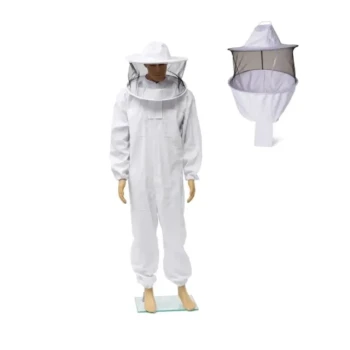
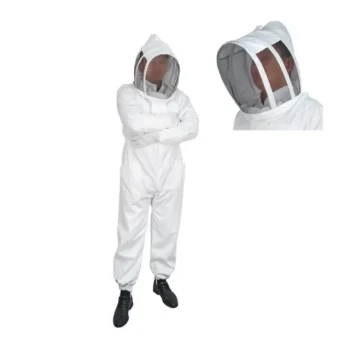
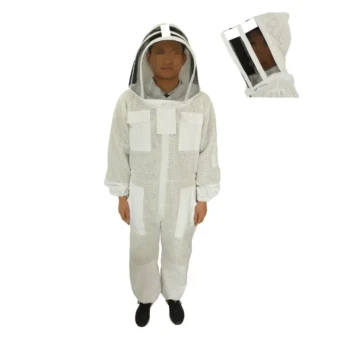
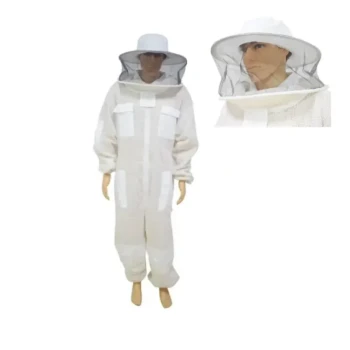
Properly preparing a beekeeping suit requires four distinct actions before the fabric ever enters the washing machine. You must first empty all pockets, remove the detachable veil (which requires hand washing), pre-treat stains using a soft-bristled brush, and finally close all zippers and buttons to prevent mechanical damage.
The goal of pre-washing preparation is not just cleanliness, but preservation. Skipping these steps is the most common cause of torn mesh and broken zippers, which compromises the suit's protective integrity.
Protecting the Critical Components
Clear and Secure the Suit
Before cleaning, ensure every pocket is completely empty. Tools or debris left inside can damage the washing machine drum or tear the suit fabric during agitation.
Remove the Veil
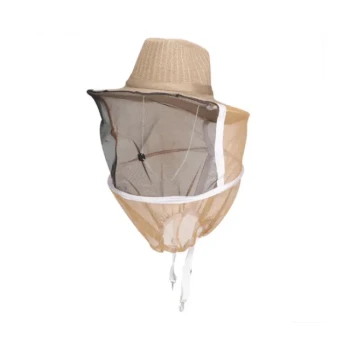
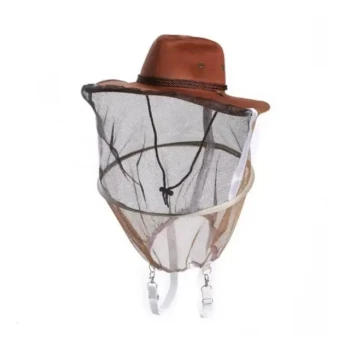
You must detach the veil before washing the rest of the suit. The screen mesh is fragile and should never be subjected to the mechanical stress of a washing machine.
Always wash the veil by hand to prevent tears that could allow bees to enter.
Fasten All Closures
Close every zipper and fasten all buttons or velcro closures. Loose zippers act like small saws during a wash cycle, abrading the fabric and potentially destroying the protective mesh.
Managing Stains and Dirt
Manual Pre-treatment
Inspect the suit for heavy soiling, such as mud, honey, or crushed bees. Gently scrub these areas with a soft-bristled brush and warm water.
Safe Cleaning Agents
For stubborn stains, you can apply mild stain removers. According to standard maintenance protocols, white vinegar or lemon juice are effective, natural options for breaking down biological matter like propolis or wax.
Common Pitfalls to Avoid
Chemical Restrictions
Never use bleach or fabric softener during the washing process. Bleach can degrade the fibers, reducing sting protection, while fabric softeners leave behind scents that may agitate bees.
The Drying Constraint
While not part of the "pre-wash" prep, you must plan your workflow around air drying. Never place a beekeeping suit, veil, or leather gloves in a mechanical dryer, as the heat will shrink and ruin the materials.
Making the Right Choice for Your Equipment
By following a strict preparation routine, you extend the life of your gear and ensure your safety in the apiary.
- If your primary focus is Equipment Longevity: Prioritize removing the veil and closing zippers, as mechanical agitation is the primary cause of hardware failure.
- If your primary focus is Stain Removal: Spend extra time manually scrubbing with a soft brush and vinegar before the machine cycle, as agitation alone rarely removes propolis.
Treat your protective gear with the same precision you treat your hive; a compromised suit is a safety hazard.
Summary Table:
| Preparation Step | Action Required | Benefit |
|---|---|---|
| Pocket Check | Empty all tools and debris | Prevents drum damage and fabric tears |
| Veil Removal | Detach and set aside for hand washing | Protects fragile mesh from mechanical stress |
| Closure Check | Zip all zippers and fasten all velcro/buttons | Prevents abrasion and snagging during wash |
| Pre-treatment | Scrub stains with soft brush & mild agents | Effectively removes propolis and wax build-up |
Maximize the Life of Your Apiary Gear with HONESTBEE
Maintaining your protective equipment is vital, but starting with professional-grade gear is the foundation of safety. At HONESTBEE, we specialize in supporting commercial apiaries and distributors with a comprehensive range of high-quality beekeeping tools, machinery, and essential consumables.
From durable, well-constructed beekeeping suits to advanced honey-filling machines and specialized hardware, our portfolio is designed to meet the demands of large-scale operations. Partner with us to secure reliable equipment at competitive wholesale prices.
Contact HONESTBEE Today to Upgrade Your Inventory
Related Products
- Professional Cotton Beekeeper Suit with Round Veil Design for Commercial Apiaries
- Premium Cotton Beekeeper Suit with Reinforced Fencing Veil
- Professional Beekeeper Suit with Square Folding Cotton Veil
- Vented Beekeeping Jacket with Hood and Veil for Beekeepers
- Three-Layer Ventilated Beekeeper Suit with Structured Fencing Veil
People Also Ask
- What material and design specifications are recommended for a high-quality beekeeper suit? Top Gear Selection Guide
- How to Pre-treat Propolis Stains on Beekeeping Suits? Master Advanced Fabric Care and Soil Removal
- Why is it important to keep a beekeeping suit clean? Essential Safety & Maintenance Tips
- Is it generally safe to wash a beekeeping suit in a washing machine? Maintain Your Safety Gear Properly
- What are the primary functional requirements for a beekeeping suit to ensure user safety? Professional Sourcing Guide