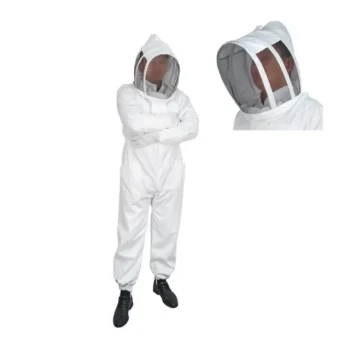
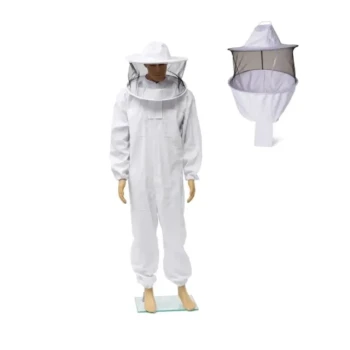
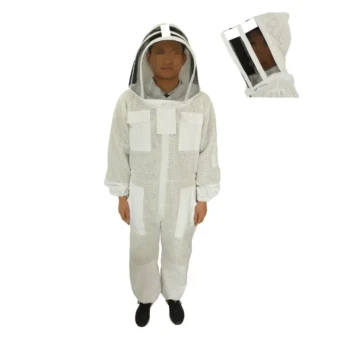
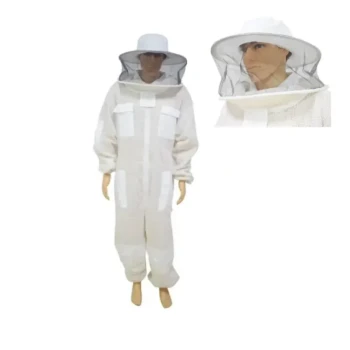
A beekeeping suit is a single-piece protective garment, effectively a jumpsuit, designed to provide full-body coverage against stings. It features long sleeves and pants integrated into one unit, eliminating the gaps often found between separate pants and jackets. This comprehensive coverage makes it particularly recommended for novice beekeepers who require maximum safety and confidence while working in the hive.
A beekeeping suit is not just about blocking stings; it is about creating a sealed environment that allows you to work calmly. By eliminating waist gaps and shielding personal clothing from messy hive substances like propolis, it enables efficient inspections without the distraction of defensive bees.
The Anatomy of a Reliable Suit
The One-Piece Advantage
Unlike a separate jacket and trousers, a beekeeping suit is a continuous garment.
This design prevents the garment from riding up while you bend or stretch over the hive. Most importantly, it removes the risk of bees crawling into the gap at the waistline.
Essential Barrier Features
To function correctly, the suit must seal the wearer off from the outside environment completely.
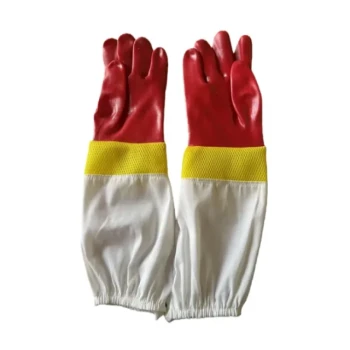
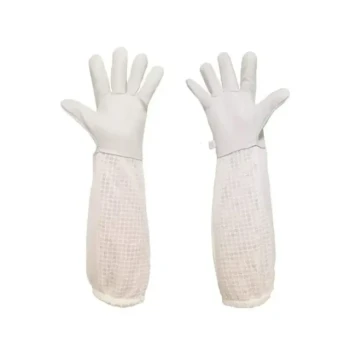
High-quality suits utilize elasticized cuffs and ankles to create a tight seal against gloves and boots. This prevents bees from crawling up legs or sleeves, which is a common entry point for stinging insects.
Material and Durability
Modern suits are typically crafted from durable blends of cotton and polyester.
These materials are chosen to balance sting resistance with breathability, helping to keep the beekeeper cool during hot days. Premium suits will also feature reinforced stitching and durable zippers to withstand the rigors of apiary work.
The Role of Confidence
Supporting the Novice Beekeeper
The primary reference notes that full suits are highly recommended for less experienced beekeepers.
When a beginner feels impervious to stings, their heart rate remains lower and their movements smoother. This calmness actually reduces the likelihood of agitating the colony, creating a safer feedback loop.
Protection from Hive Debris
Beyond stings, the suit serves as a sacrificial layer against hive byproducts.
It keeps propolis (bee glue), wax, and honey off your street clothes (such as jeans). This is critical because propolis is extremely difficult to remove from standard fabrics.
Understanding the Trade-offs
The Danger of Trapped Bees
While the suit is designed to keep bees out, it can become a hazard if a bee finds a way in.
Bees are significantly more likely to sting if they become trapped inside the suit with you. Because the suit is a single piece, removing it quickly to escape a trapped bee is difficult, making the integrity of your zippers and velcro closures a matter of safety.
Protection is Not Absolute
It is important to understand that no fabric is 100% sting-proof.
While a suit drastically reduces the number and severity of stings, a determined bee or a pressed fold of fabric can still result in a sting. The suit should be viewed as a risk reduction tool, not a suit of armor.
Making the Right Choice for Your Goal
When selecting or wearing a beekeeping suit, prioritize features based on your experience level and environment.
- If your primary focus is maximum safety: Prioritize a suit with heavy-duty elastic cuffs and check every zipper closure twice to ensure there are absolutely no gaps for entry.
- If your primary focus is comfort in heat: Look for suits made of breathable cotton blends or ventilated mesh to prevent overheating while maintaining a physical barrier.
- If your primary focus is durability: Ensure the suit features non-flammable mesh for the veil and reinforced stitching at high-stress points like the knees and pockets.
The right beekeeping suit turns a potentially chaotic encounter into a manageable, routine inspection.
Summary Table:
| Feature | Description | Key Benefit |
|---|---|---|
| One-Piece Design | Integrated jumpsuit (sleeves and pants) | Eliminates waist gaps and prevents bees from crawling inside. |
| Elasticized Seals | Tight cuffs at wrists and ankles | Forms a secure barrier against bee entry at garment openings. |
| Durable Material | Cotton/Polyester blends or mesh | Balances sting resistance with breathability for worker comfort. |
| Propolis Shield | Heavy-duty outer layer | Protects personal clothing from difficult-to-remove hive substances. |
| Reinforced Zippers | Heavy-duty, often velcro-backed | Ensures a complete seal and long-term durability in the field. |
Elevate Your Apiary Operations with HONESTBEE
At HONESTBEE, we specialize in empowering commercial apiaries and distributors with the professional equipment they need to scale. Whether you are looking for high-quality, durable beekeeping suits to protect your team or require advanced machinery like hive-making and honey-filling machines, we have you covered.
Why partner with us?
- Comprehensive Wholesale Range: From protective garments to essential consumables.
- Industrial Efficiency: High-performance machinery designed for large-scale production.
- Cultural Merchandise: Unique honey-themed products to expand your retail portfolio.
Ready to upgrade your equipment and safeguard your success? Contact HONESTBEE today to discuss our wholesale offerings and customized solutions for your business.
Related Products
- Premium Cotton Beekeeper Suit with Reinforced Fencing Veil
- Professional Cotton Beekeeper Suit with Round Veil Design for Commercial Apiaries
- Professional Beekeeper Suit with Square Folding Cotton Veil
- Vented Beekeeping Jacket with Hood and Veil for Beekeepers
- Professional Beekeeping Suit for Kids and Girls Childrens Bee Keeper Suit
People Also Ask
- What material and design specifications are recommended for a high-quality beekeeper suit? Top Gear Selection Guide
- How to Pre-treat Propolis Stains on Beekeeping Suits? Master Advanced Fabric Care and Soil Removal
- What features should be considered for sting protection in a beekeeping suit? Ensure Total Safety and Comfort
- What are the differences between full suits and jackets with veils in beekeeping? Choose Your Best Protection
- What features should be looked for in a beekeeping suit for maximum comfort? Prioritize Ventilation and Fit