The Kenyan Top Bar Hive (KTBH) represents a strategic leap in apiary efficiency, offering a high-ROI alternative to traditional bark or log hives. By utilizing a horizontal movable design, the KTBH eliminates the need for expensive centrifugal extraction machinery and minimizes colony disturbance. This allows commercial operations to scale rapidly with lower capital expenditure while simultaneously increasing honey yields and secondary product quality.
Core Takeaway: The Kenyan Top Bar Hive bridges the gap between low-cost traditional methods and high-tech industrial beekeeping by providing a standardized, easy-to-manage system that maximizes both honey and beeswax production.
Lowering Operational Barriers and Capital Expenditure
Elimination of Expensive Extraction Machinery
In commercial beekeeping, the cost of centrifugal honey extractors can be a significant barrier to entry. The KTBH utilizes suspended top bars that allow for the manual harvesting of honeycombs, significantly reducing the initial investment required for a large-scale operation.
Cost-Effective Scalability
The hive's design allows for construction using standardized timber rather than the specialized materials required for multi-story systems. This enables distributors to offer a high-performance product that fits within the budget constraints of developing commercial apiaries.
Sustainable Material Sourcing
Unlike traditional bark hives that require the stripping of trees—often leading to tree death—KTBHs are constructed from sustainable timber. This environmental compatibility is an essential selling point for modern, eco-conscious commercial beekeeping ventures.
Maximizing Commercial Output and Product Quality
Superior Thermal Regulation for Higher Yields
The internal structure of the KTBH mimics natural bee passages, which helps the colony maintain a stable internal temperature. This is particularly effective in hot climates, as it reduces the energy bees spend on cooling, allowing them to focus on honey production.
High-Purity Beeswax as a Secondary Revenue Stream
Because the KTBH requires bees to build new comb for each harvest, beekeepers can collect significant amounts of high-purity beeswax. This secondary product is a valuable commodity in the pharmaceutical and cosmetic industries, providing an additional revenue stream for the apiary.
Integration of Modern Health Monitoring
The standardized internal space of an industrially produced KTBH facilitates frequent and precise inspections. This allows commercial managers to monitor colony health and integrate pest control measures far more effectively than is possible with traditional, enclosed hives.
Optimizing Large-Scale Management Efficiency
Rapid Inspection and Minimal Disturbance
The movable top-bar design allows beekeepers to lift individual combs without disturbing the entire colony. This "low-stress" management approach results in calmer bees and faster inspection times, which is critical when managing hundreds of hives.
Enhanced Safety and Accessibility
Traditional hives are often placed high in trees to avoid pests and theft, making harvesting dangerous and slow. KTBHs are kept on ground-level stands, making beekeeping safer and more accessible for a more diverse workforce, thereby reducing labor risks.
Standardized Industrial Manufacturing
Modern KTBHs are produced with precision-engineered internal dimensions. For wholesalers and distributors, this standardization ensures that replacement parts and additional bars are always compatible, simplifying the supply chain for large-scale clients.
Understanding the Trade-offs
Security and Vandalism Risks
Because KTBHs are kept at ground level and are designed for easy access, they are more vulnerable to theft or vandalism than traditional hives hidden in trees. Commercial operations must often invest in fencing or apiary security to mitigate these risks.
Structural Fragility of the Combs
Unlike the reinforced frames found in Langstroth hives, KTBH combs hang freely and are attached only to the top bar. This makes them more prone to breakage during transport or aggressive handling, requiring a more delicate touch from field staff.
Lower Honey Volume per Hive Compared to Langstroth
While KTBHs outperform traditional hives, they may produce less honey total than tiered Langstroth hives because the bees must expend energy to build new wax combs. However, this is often offset by the lower equipment costs and the high value of the wax produced.
Applying This Knowledge to Your Distribution Strategy
How to Select the Right Hive for Your Market
When advising clients or building your inventory, consider the specific economic and environmental goals of the end-user to provide the most effective solution.
- If your primary focus is lowering start-up costs for new commercial ventures: Prioritize the KTBH as it eliminates the need for expensive centrifugal extractors and complex machinery.
- If your primary focus is high-value secondary products like beeswax: Recommend the KTBH for its ability to produce clean, high-volume wax alongside honey.
- If your primary focus is ease of management in hot climates: Highlight the KTBH’s superior thermal regulation and its effectiveness in regions like the Sudan-Sahel.
By partnering with a full-spectrum provider that offers rapid fulfillment and deep technical expertise, you can ensure your apiary clients receive the high-quality, standardized equipment necessary for modern commercial success.
Summary Table:
| Feature | Kenyan Top Bar Hive (KTBH) Benefit | Commercial Advantage |
|---|---|---|
| Equipment Cost | Eliminates need for centrifugal extractors | Significantly lowers initial capital expenditure |
| Secondary Revenue | High-purity beeswax production | Increases profit margins via pharmaceutical/cosmetic demand |
| Climate Adaptability | Superior thermal regulation | Higher honey yields in hot climates (Sudan-Sahel) |
| Labor Efficiency | Ground-level, movable top-bar design | Faster inspections and safer harvesting for field staff |
| Scalability | Standardized industrial manufacturing | Simplifies supply chain for replacement parts/expansion |
Partner with HONESTBEE for High-Performance Beekeeping Solutions
Are you looking to scale your distribution or upgrade a commercial apiary? HONESTBEE is your dedicated partner, providing a comprehensive full-spectrum product portfolio designed specifically for distributors, wholesalers, and B2B resellers.
We offer more than just equipment; we deliver a competitive edge through:
- One-Stop Sourcing: From precision-engineered Kenyan Top Bar Hives to honey-filling machines and essential consumables.
- Premium Trading Services: Benefit from high profit margins, OEM/ODM support, and deep professional industry expertise.
- Unmatched Fulfillment: Rapid response times and ultra-fast delivery ensure your inventory remains robust and your clients satisfied.
Ready to optimize your supply chain with a reliable industry leader?
Contact us today to discuss wholesale pricing and customized solutions!
References
- Nentcherse Mbere, Fernand-Nestor T. Fohouo. Screening of Beekeeping Potential on Three Wild Plant Species in Nyambaka (Adamawa Region of Cameroon). DOI: 10.33687/ijae.013.01.5474
This article is also based on technical information from HonestBee Knowledge Base .
Related Products
- Top Bar Beehive for Beekeeping Wholesales Kenya Top Bar Hive
- Long Langstroth Style Horizontal Top Bar Hive for Wholesale
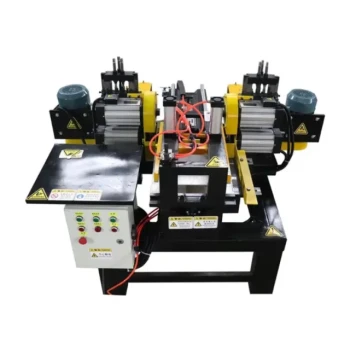
- HONESTBEE Top Bar & Bottom Bar Forming Machine | Bee Frame Machine
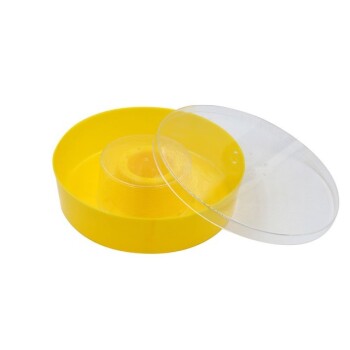
- HONESTBEE Round Hive Top Bee Feeder for Syrup
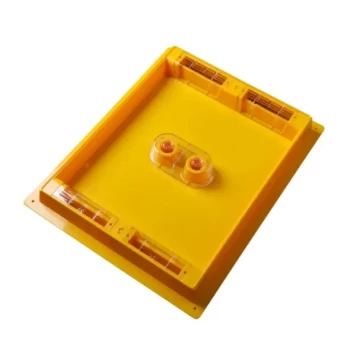
- HONESTBEE Square Top Hive Bee Feeder Top Bee Feeder
People Also Ask
- How is burr comb and propolis removed from a top bar hive? A Practical Guide for Hive Maintenance
- How does comb construction differ between a top bar hive and a Langstroth hive? Choose the Best Method for Your Apiary
- Why do top bar hives require beekeepers to detach comb? Master the Detach-then-Lift Technique for Comb Safety
- How does the design of a top bar hive minimize disturbance to the bees during inspection? Achieve a Calmer, More Natural Approach
- What are the main differences between a top bar hive and a Langstroth hive? A Guide to Choosing Your Hive