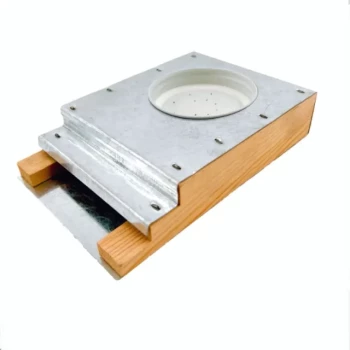
The primary benefits of using top feeders during a nectar dearth are enhanced hive security and biological alignment. By positioning the food source inside the hive and away from the entrance, top feeders force potential robbers to navigate the entire colony’s defense system to reach the syrup. Additionally, placing the feed at the top of the hive mimics the natural placement of honey stores, allowing the bees to process and guard the resources instinctively.
The core advantage of a top feeder is that it turns the hive structure into a defensive gauntlet. Unlike entrance feeders which invite trouble to the front door, top feeders require intruders to bypass the colony's entire population to access the food.
Enhancing Colony Defense
The most critical risk during a nectar dearth is "robbing"—when stronger colonies attack weaker ones to steal resources. Top feeders are superior tools for mitigating this risk.
Utilizing the Main Entrance Defense
Bees naturally guard the main entrance of the hive. Because top feeders are located internally, they allow the colony to maintain its standard defensive posture without having to split forces to guard an external feeder.
Creating a Secure Perimeter
For a robbing bee to access a top feeder, it must enter the main entrance and travel up through the entire hive. This forces intruders to pass through the brood nest and face thousands of worker bees, making successful theft nearly impossible.
Aligning with Bee Biology
Top feeders (or internal feeders) are designed to work with the natural behaviors of the honeybee, rather than against them.
Mimicking Natural Storage Zones
In a natural setting, bees store honey in the upper portions of the hive. Top feeders position the sugar syrup in this exact location, encouraging efficient uptake and storage.
Maintaining Metabolic Activity
By delivering high-concentration syrup directly to the hive's core area, beekeepers can maintain the colony's metabolic heat and brood-rearing activities. This prevents the population decline that often accompanies forage-poor periods.
Preventing Colony Collapse
Beyond security, the functional purpose of the top feeder is to ensure survival when the environment cannot support the hive.
Countering Starvation and Absconding
When nectar is scarce, colonies may starve or "abscond" (leave the hive entirely) in search of resources. A top feeder provides a controlled, reliable channel for nutrition that keeps the colony anchored and stable.
Supporting Queen Physiology
Simulating a nectar flow via a top feeder ensures the queen continues to lay eggs. This prevents the queen from aging prematurely due to stress and ensures a sufficient population of worker bees is ready when the natural nectar flow returns.
Common Pitfalls to Avoid
While top feeders are superior for defense, they are not without operational risks that requires beekeeper diligence.
The Risk of Spillage
If syrup is spilled on the outside of the hive during refilling, it negates the security benefits of the top feeder. External spills act as a beacon for robber bees and pests, potentially triggering the very attack you are trying to prevent.
Temperature Limitations
While heat rises to the top of the hive, bees may be reluctant to break their cluster to move upward if the temperature drops drastically during a dearth. In extreme cold, the feed must be positioned directly against the cluster, though this is less of a concern in typical summer dearths.
Making the Right Choice for Your Goal
- If your primary focus is Security: Use a top feeder to keep the food source internal, forcing potential robbers to fight through the colony's population to reach it.
- If your primary focus is Brood Rearing: Use the feeder to simulate a steady nectar flow, which signals the queen to maintain egg production despite the external dearth.
Top feeders offer the most secure method of supplementary feeding by leveraging the colony’s natural defensive architecture to protect vital resources.
Summary Table:
| Benefit Category | Feature | Impact on Colony |
|---|---|---|
| Defense | Internal Positioning | Forces robbers through the hive gauntlet; prevents entrance robbing. |
| Biology | Upper Hive Placement | Mimics natural honey storage; encourages efficient syrup uptake. |
| Stability | Controlled Feeding | Prevents starvation and colony absconding during forage gaps. |
| Growth | Simulated Nectar Flow | Stimulates the queen to continue laying eggs and maintains population. |
Elevate Your Beekeeping Operation with HONESTBEE
At HONESTBEE, we specialize in empowering commercial apiaries and distributors with the professional-grade tools needed to navigate challenging seasons. Whether you are scaling up production or supplying local beekeepers, our comprehensive wholesale portfolio offers everything from high-security top feeders to advanced honey-filling machines and hive-making equipment.
Why partner with HONESTBEE?
- Full-Spectrum Supply: Access a complete range of beekeeping hardware, machinery, and industry consumables.
- Commercial Reliability: Durable equipment designed for the rigors of large-scale honey production.
- Growth-Focused Solutions: From specialized machinery to honey-themed merchandise, we help you diversify your revenue.
Ready to secure your honey flow and optimize your apiary’s performance? Contact us today to explore our wholesale offerings!
Related Products
- Professional Hive Top Bee Feeder for Beekeeping
- HONESTBEE Round Hive Top Bee Feeder for Syrup
- HONESTBEE Professional Hive Top Bee Feeder Feeding Solution
- HONESTBEE Square Top Hive Bee Feeder Top Bee Feeder
- Rapid Bee Feeder White Plastic 2L Round Top Feeder for 8 or 10-Frame Bee Hives
People Also Ask
- What is a hive top feeder? A Guide to Efficient, Low-Stress Beekeeping
- Do I need an inner cover with a hive top feeder? Optimize Your Hive Setup for Healthy Bees
- What is a hive top feeder, and how does it work? A Complete Guide to Efficient In-Hive Feeding
- What are the characteristics, advantages, and disadvantages of hive top feeders? Optimize Your High-Volume Feeding
- How does a hive top feeder work? Optimize Your Apiary's Nutrition and Security