Effective storage begins with meticulous hygiene and organization. To prepare your beekeeping hardware, you must first thoroughly clean all components and allow them to completely air dry to prevent mold. Disassemble complex items like hive stands and extractors, place small parts and hive tools in designated containers to prevent loss, and clearly label every piece of equipment with its contents and the storage date.
The goal of storage preparation is not just tidiness, but the preservation of your investment; by eliminating moisture and organizing components now, you prevent corrosion and biological degradation during the off-season.
Preparing the Hardware
The physical condition in which you leave your equipment determines its lifespan. You must address biological debris and mechanical complexity before storage.
Thorough Cleaning
Before any equipment is stored, it must be cleaned thoroughly. Residue from the hive can attract pests and degrade materials over time.
Complete Air Drying
Moisture is the enemy of stored apiary gear. After cleaning, allow all components to air dry completely. Storing damp equipment inevitably leads to mold growth and wood rot.
Strategic Disassembly
To save space and reduce mechanical stress, disassemble any parts that are designed to be taken apart. This specifically applies to bulky items like hive stands and honey extractors.
Organization and Inventory
Once the equipment is clean, you must organize it to ensure efficient retrieval next season.
Containment of Small Parts
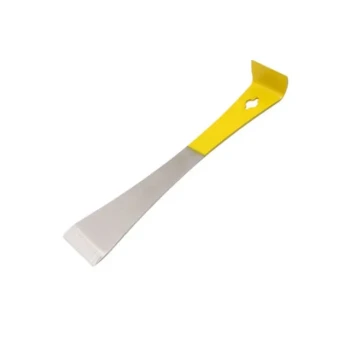
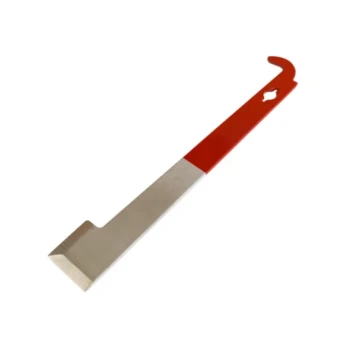
Small hardware, screws, and hand-held hive tools are easily lost during long storage periods. Place these items in designated containers immediately after cleaning or disassembly.
Labeling Protocols
Do not rely on memory for what is inside a box or crate. Label every piece of equipment with its specific contents and the storage date. This facilitates easier maintenance checks and inventory management.
Vertical Storage Solutions
For tools, suits, and frames, it is highly recommended to hang them on hooks, nails, or pegboards. This keeps equipment visible, organized, and more difficult for rodents to access compared to leaving them on shelves or floors.
Selecting the Storage Environment
The location where you store your gear is as important as how you prepare it.
Moisture and Ventilation
Choose a location that is dry and well-ventilated, such as a shed, barn, or large closet. Proper airflow is critical to prevent humidity buildup, which fosters mold growth on suits and woodenware.
Pest Defense
The area must be secure against biological threats. Employ traps or deterrents to protect against rodents and wax moths, both of which can destroy stored comb and wooden equipment.
Security and Accessibility
Ensure the location is secure to protect your financial investment. However, it should remain organized and accessible enough to allow for regular maintenance checks throughout the winter.
Common Pitfalls to Avoid
Even with good intentions, specific storage errors can lead to damaged equipment.
The Sealed Container Trap
While large totes offer protection, they can trap residual moisture if the gear is not 100% dry. Avoid sealing equipment in airtight containers unless you are certain it is completely free of moisture.
Disassembly Disorganization
Disassembling hive stands creates loose hardware. A common mistake is failing to immediately containerize these small parts, leading to critical component loss when reassembly is attempted in the spring.
Making the Right Choice for Your Goal
- If your primary focus is Equipment Longevity: Prioritize a well-ventilated, dry environment and ensure every item is completely air-dried before storage to prevent rot and mold.
- If your primary focus is Operational Efficiency: Focus heavily on labeling and vertical storage (hanging tools), which ensures you can instantly locate and deploy gear when the season opens.
By treating your equipment with discipline now, you ensure a smoother, more productive start to your next beekeeping season.
Summary Table:
| Storage Step | Action Required | Primary Benefit |
|---|---|---|
| Hygiene | Thorough cleaning & complete air drying | Prevents mold, rot, and disease spread |
| Disassembly | Break down stands and extractors | Saves space and reduces mechanical stress |
| Organization | Containerize small parts & label all gear | Prevents loss and ensures fast spring setup |
| Placement | Vertical hanging & well-ventilated area | Deters rodents and eliminates moisture build-up |
| Protection | Deploy pest traps and deterrents | Safeguards against wax moths and mice |
Maximize Your Apiary's Efficiency with HONESTBEE
Proper storage is just one part of a successful beekeeping operation. At HONESTBEE, we empower commercial apiaries and distributors with high-performance hardware designed for durability and ease of maintenance.
From industrial-grade honey-filling machines and hive-making equipment to a full spectrum of wholesale beekeeping tools and essential consumables, our portfolio is built to support your growth. Let us help you streamline your operations with equipment that stands the test of time.
Ready to upgrade your inventory? Contact us today to explore our comprehensive wholesale offerings and specialized machinery solutions.
Related Products
- Stainless Steel J Hook Hive Tool for Beekeeping
- HONESTBEE 15-in-1 Beekeeper Multi-Tool with Hammer and Pliers for Beekeeping
- HONESTBEE Classic Pry Bar Hive Tool with High Visibility Finish for Beekeeping
- Multi-Function Plier-Style Frame Grip Hive Tool
- Stainless Steel Queen Grafting Tool for Beekeeping and Bee Queen Grafting
People Also Ask
- What specific challenges do beekeeping hive tools address during hive maintenance? Essential Solutions for Apiaries
- What are the features of a J-hook hive tool? Effortlessly Lift Frames with Superior Leverage
- What is a J-hook hive tool and why is it favored by some beekeepers? Master Gentle Frame Handling
- What is the purpose of the J-hook hive tool? Effortlessly Lift Frames with Superior Leverage
- How is a J-hook hive tool designed and what is its primary use? Master Effortless Hive Inspections