The primary risk is inciting a "robbing frenzy" that can destroy your colony. Using entrance feeders during a nectar dearth places high-value resources at the hive's most vulnerable point—the front door—making it difficult for guard bees to defend against intruders. Adding aromatic supplements compounds this danger by broadcasting a potent scent that attracts aggressive foragers from stronger, competing colonies.
During a nectar dearth, the goal is to feed your bees without advertising resources to the rest of the insect world. Entrance feeders and scented supplements do the opposite, effectively inviting stronger colonies to overpower and pillage your hive.
The Mechanics of Hive Defense
To understand the risk, you must understand how a colony defends its resources when natural nectar is scarce.
The Tactical Flaw of Entrance Feeders
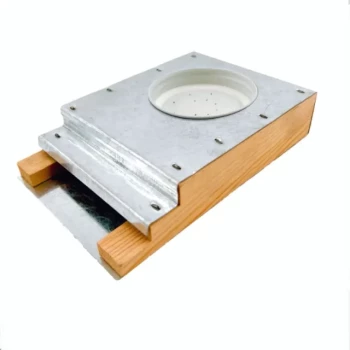
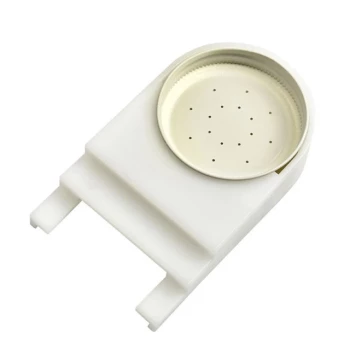
Entrance feeders are inherently risky because they position the food source at the perimeter of the hive. This places the syrup in a "no-man's-land" that is highly accessible to outsiders but difficult for resident guard bees to secure.
Because the syrup is not deep within the hive, robbing bees do not have to fight their way past the colony's core defenses to access it. This makes the feeder an easy target for opportunistic foragers from other apiaries.
The Beacon Effect of Supplements
Supplements containing aromatic oils or stimulants are dangerous during a dearth. While these additives are designed to encourage your bees to eat, they also act as a powerful olfactory beacon to every other insect in the vicinity.
During a dearth, bees are desperate and their sense of smell is heightened. The scent of essential oils mixed with sugar water signals a rich food source, drawing robbers in effectively than plain sugar syrup would.
The Domino Effect of Robbing
Once robbing begins at an entrance feeder, it rarely stops there. The frenzy at the entrance often encourages robbers to push further into the hive.
If the resident colony is overwhelmed, they may lose their stored honey, their brood, and eventually the colony itself may perish due to combat losses or starvation.
Understanding the Trade-offs
While feeding is essential for survival, the method of delivery determines the outcome.
Convenience vs. Security
Entrance feeders are popular because they are convenient; you can monitor levels without opening the hive. However, during a dearth, convenience must be sacrificed for security.
The risk of triggering a robbing event outweighs the benefit of easily checking syrup levels. The disturbance caused by opening a hive to refill an internal feeder is far less damaging than the chaos of a robbing frenzy.
Nutrition vs. Attraction
Beekeepers often want to boost colony health with supplements. However, you must weigh the nutritional benefit against the risk of detection.
It is safer to provide plain sugar syrup during high-risk periods. The lack of strong scent reduces the likelihood of attracting pests like wasps, hornets, and robber bees.
Securing Your Colony During a Dearth
To maintain colony strength without inviting disaster, you must shift your feeding strategy to prioritize defense.
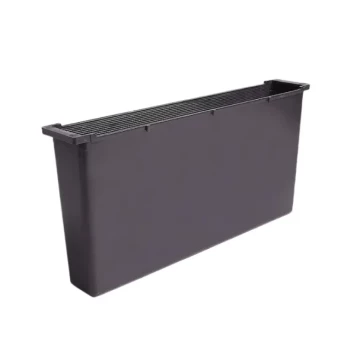
- If your primary focus is preventing robbing: Switch immediately to internal or top feeders that place the syrup deep inside the hive where only resident bees can access it.
- If your primary focus is colony nutrition: Continue feeding essential carbohydrates, but eliminate aromatic supplements until a natural nectar flow resumes.
Successful management during a dearth relies on making your hive's resources invisible to outsiders while keeping them accessible to your bees.
Summary Table:
| Feeding Factor | Entrance Feeders | Internal/Top Feeders |
|---|---|---|
| Security Level | Low (Vulnerable at perimeter) | High (Protected deep in hive) |
| Robbing Risk | High (Easy access for outsiders) | Low (Only resident bees reach it) |
| Convenience | Monitoring without opening hive | Requires opening hive to check |
| Supplement Use | Dangerous (Aromatic beacon) | Moderate (Scent is contained) |
| Best Use Case | During heavy nectar flow | During nectar dearths |
Protect your commercial apiary from devastating robbing events with the right equipment. HONESTBEE provides professional-grade internal feeders and honey-processing machinery designed for scale and security. Whether you are a large-scale distributor or a commercial beekeeper, our comprehensive portfolio of beekeeping tools, hive-making hardware, and essential consumables ensures your operations remain efficient and your colonies stay safe. Contact our wholesale experts today to secure the best equipment for your business.
Related Products
- HONESTBEE Entrance Bee Feeder Professional Hive Nutrition Solution for Beekeeping
- HONESTBEE Entrance Bee Feeder Efficient Hive Front Liquid Feeding Solution for Beekeeping
- Boardman Entrance Bee Feeder Durable Galvanized Steel and Wood Construction for Beekeeping
- Classic Boardman Entrance Bee Feeder Hive Front Feeding Solution
- Professional Hive Front Entrance Bee Feeder
People Also Ask
- What types of bee feeders are available for beginners? Start with the Simple Entrance Feeder
- What are the advantages and disadvantages of using an entrance feeder for bees? Balance Convenience and Hive Security.
- What is a bee entrance feeder and what are its drawbacks? Essential Guide to Hive Security and Feeding Efficiency
- How does a bee entrance feeder work? A Simple Guide to Convenient Hive Feeding
- How to make an entrance feeder for bees? A DIY Guide for Safe & Effective Feeding