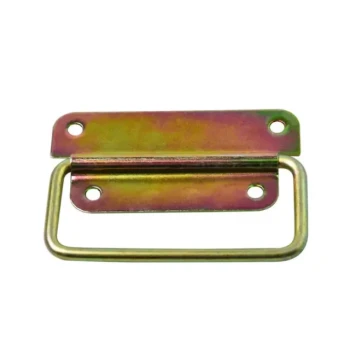
The hinge model modular hive fundamentally transforms colony access by utilizing movable walls connected by hinges, allowing the structure to be opened easily from any side. unlike traditional hollowed wood logs, which often require invasive measures to access the colony, this design enables beekeepers to perform precise operations—such as splitting, transfers, and artificial feeding—without destroying the internal nest structure.
Core Takeaway While traditional hollow logs offer natural insulation, they severely restrict management capabilities and often necessitate destructive harvesting. The hinge model solves this by decoupling the physical container from the biological nest, enabling high-precision, non-destructive management that facilitates mechanization and improves colony survival rates.
Enhancing Access and Preservation
Multi-Directional Accessibility
The defining technical advantage of the hinge model is the ability to open the hive from various angles via movable walls. Traditional logs typically restrict access to the ends or require splitting the log entirely. The hinge design allows you to target specific areas of the colony without disturbing the rest.
Preserving Nest Integrity
Stingless bees construct complex, interconnected nest structures. In a hollow log, accessing honey pots or brood often means tearing through these structures. The hinge model minimizes this collateral damage, significantly reducing the "damage rate" during inspections or harvests.
Improved Colony Health
By reducing physical damage to the nest architecture, the colony spends less energy repairing the hive and more on production. This non-invasive approach lowers stress levels and prevents the accidental crushing of bees or the queen, which is a common risk when prying open fixed-structure log hives.
Operational Efficiency and Scalability
Precision in Colony Splitting
Colony propagation (splitting) is the engine of commercial growth. The hinge model allows you to separate brood clusters precisely. You can divide the biological assets of the hive without the chaotic breakage associated with transferring colonies from fixed logs.
Enabling Mechanization
Standardized, modular dimensions allow for the introduction of mechanized tools. While logs are irregular and unique, hinge models are uniform. This standardization enables the use of automated feeding systems and streamlined pest control, which are essential for scaling operations.
Understanding the Trade-offs
Thermal Properties of Wood Logs
It is important to acknowledge that traditional hollow logs are excellent at mimicking the natural forest environment. Thick wood offers superior thermal insulation, maintaining stable internal temperatures with zero intervention.
Environmental Adaptation
Logs provide natural protection against predators and environmental stress due to their robust, seamless exterior. When moving to hinge models, you must ensure the materials used offer comparable insulation to prevent the colony from overheating or freezing, a variable that logs manage naturally.
Making the Right Choice for Your Goal
When deciding between traditional methods and modern hinge models, consider your operational intent:
- If your primary focus is Commercial Scalability: Prioritize the hinge model modular hive to maximize reproduction rates, streamline harvesting, and enable mechanized management workflows.
- If your primary focus is Conservation or Casual Observation: Consider retaining hollow wood logs, as they require less active management and provide superior natural insulation for the bees with minimal human interference.
The move to hinge models represents a shift from simply housing bees to actively managing them for efficiency and longevity.
Summary Table:
| Feature | Traditional Hollow Logs | Hinge Model Modular Hives |
|---|---|---|
| Colony Access | Invasive & Restricted | Multi-Directional & Easy |
| Nest Preservation | High Damage Risk | Non-Destructive Management |
| Scalability | Difficult (Irregular Shapes) | High (Standardized & Mechanized) |
| Thermal Insulation | Excellent (Natural) | Material Dependent |
| Best Use Case | Conservation / Casual | Commercial / Professional Apiaries |
Scale Your Stingless Beekeeping Success with HONESTBEE
Transitioning from traditional logs to high-precision equipment requires the right partner. HONESTBEE empowers commercial apiaries and distributors by providing the industry's most comprehensive range of beekeeping tools, specialized hive-making machinery, and honey-filling systems.
Whether you are looking to mechanize your operations or stock a full spectrum of essential consumables and honey-themed merchandise, we deliver the quality and scale your business demands.
Ready to modernize your apiary? Contact us today to explore our wholesale solutions!
References
- J A González-Acereto, Luis A. Medina‐Medina. New perspectives for stingless beekeeping in the yucatan: results of an integral program to rescue and promote the activity. DOI: 10.1080/00218839.2006.11101356
This article is also based on technical information from HonestBee Knowledge Base .
Related Products
People Also Ask
- How do bee hive handles facilitate the evaluation of food stores? Use the Lift Test for Winter Survival
- How do the geometry and dimensions of hive handles influence operational safety and control? Expert Design Insights
- What is a bee hive tool? Discover Why It’s the Most Essential Hand Tool for Every Beekeeper
- What are the common sizes and features of bee hive tools? Choose the Right Tools for Your Apiary
- What is the role of professional hive tools in routine apiary maintenance? Expert Tips for Hive Health and Longevity