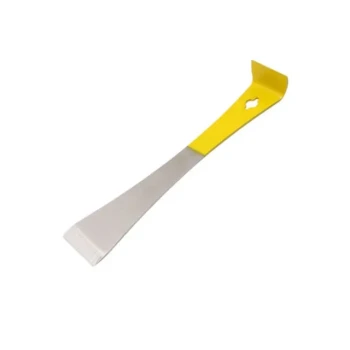
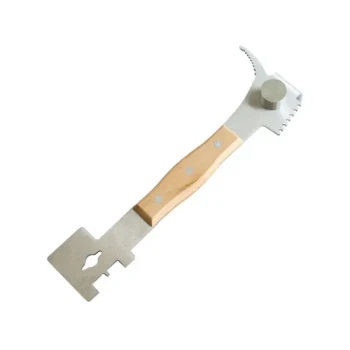
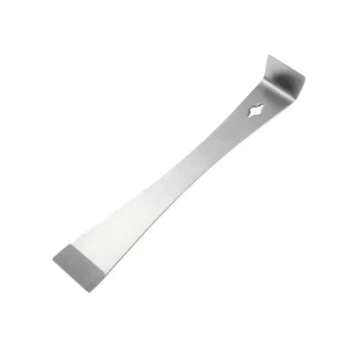
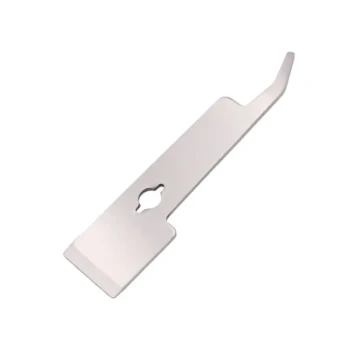
Hive handling tools and propolis management directly shape how much disturbance a colony experiences during routine maintenance. Propolis seals hive covers, boxes, and frames tightly, so forceful opening can create sudden snaps, vibrations, equipment damage, and crushed bees. Using a durable hive tool to separate components gradually—and removing excess propolis as part of regular maintenance—helps keep inspections calmer, safer, and more efficient.
The central principle is controlled mechanical handling: the better the beekeeper manages propolis and uses appropriate leverage, the fewer sudden vibrations, crushing events, and structural disruptions the colony experiences.
Why Propolis Changes Hive Handling
Propolis strengthens the hive structure
Bees use propolis to seal cracks, reinforce joints, regulate openings, and smooth internal surfaces. This natural resin acts like an adhesive between hive bodies, covers, frame rests, and individual frames.
That sealing behavior benefits the colony, but it makes routine inspection more mechanically demanding.
Sealed components require gradual separation
When a beekeeper pulls or twists sealed components without sufficient leverage, the hive may open suddenly. The resulting snap or vibration can disturb bees and make the inspection less predictable.
A hive tool applies controlled leverage, allowing the operator to break propolis seals progressively rather than relying on abrupt force.
Propolis affects frame spacing and movement
Excess propolis can accumulate on frame rests and contact points. This may reduce the intended spacing between frames, make removal more difficult, and increase the risk of scraping or crushing bees during inspection.
Regular removal helps preserve consistent frame positioning and smoother movement inside the hive.
How Hive Tools Influence Colony Behavior
Reduced vibration lowers mechanical disturbance
Sudden impacts and sharp vibrations signal that the hive structure is being disturbed. A properly used hive tool reduces these effects by separating covers, boxes, and frames in a deliberate sequence.
This generally supports calmer colony behavior and gives the beekeeper better control of the inspection.
Precision reduces crushing and defensive disruption
Improper handling can trap or crush bees between frames, boxes, or covers. Such incidents can increase agitation and interrupt the normal movement of bees across the comb.
A tool with a suitable edge, hook, or pry profile allows the beekeeper to move components accurately while reducing unnecessary contact with the bees.
Controlled access supports shorter inspections
Efficient tools reduce the time and physical effort required to open the hive and reposition frames. Shorter, more organized maintenance limits the duration of exposure to external disturbance.
For commercial apiaries, this efficiency is important because repeated rough handling across many colonies can compound stress and increase labor requirements.
Propolis Management as Routine Colony Care
Scraping prevents progressive buildup
Propolis should be removed from areas where it interferes with normal hive operation, including frame rests, box joints, and cover contact points. A hive tool can scrape away excess resin and waste wax during each inspection.
The goal is not to remove all propolis. It is to maintain functional access while preserving the colony’s natural sealing behavior.
Clean equipment improves handling consistency
Accumulated propolis, wax, dust, wood fragments, and bee remains can make equipment harder to inspect and reposition. Keeping tools and hive components clean improves the consistency of each maintenance procedure.
For operations that collect propolis as a raw material, disciplined scraping and separation can also reduce unwanted impurities in the collected material.
Maintenance protects hive equipment
Repeated forceful opening can damage wooden or composite hive components. Controlled leverage reduces splitting, deformation, and wear at joints and frame rests.
Protecting equipment extends service life and helps ensure that replacement parts remain compatible across the apiary.
Choosing Tools for Predictable Maintenance
Material strength matters
High-hardness metal is useful for breaking strong propolis seals and scraping hardened residue. The tool must be strong enough to apply leverage without bending or deforming during normal work.
Durability is especially important for distributors and commercial beekeepers managing frequent inspections across multiple colonies.
Tool geometry should match the task
Different hive tool features support different operations:
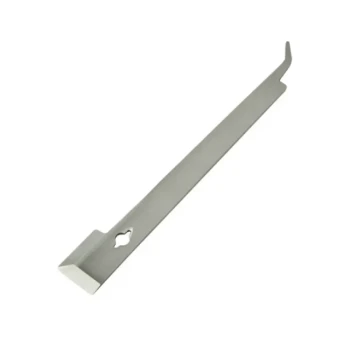
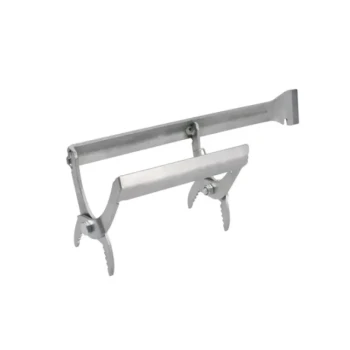
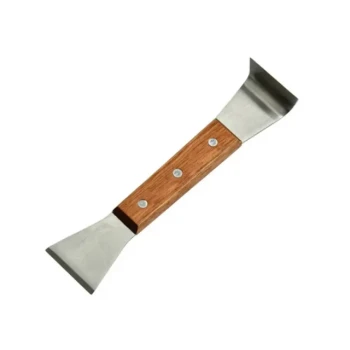
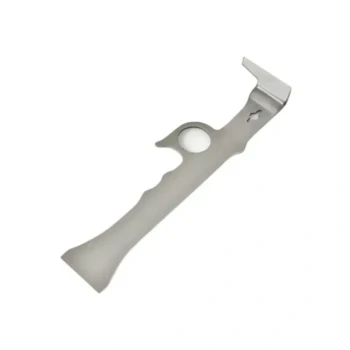
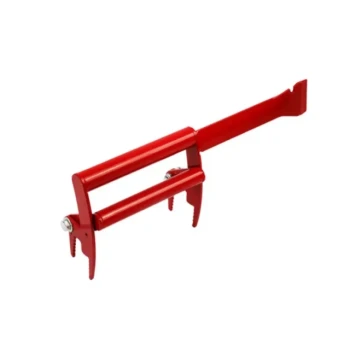
- Pry ends help separate sealed covers and hive bodies.
- Scraping edges remove excess propolis and wax.
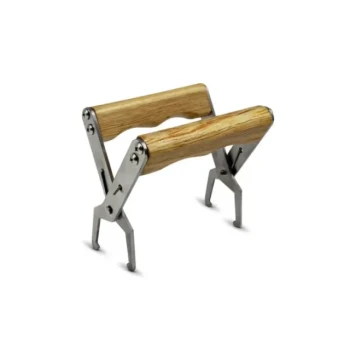
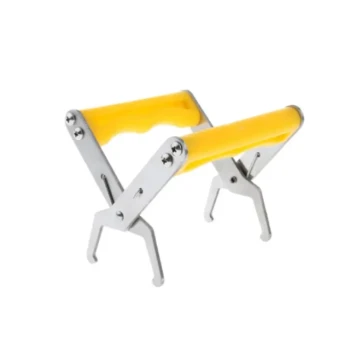
- Hooks or lifting ends assist with frame movement.
- Compact profiles improve access in crowded hive configurations.
A practical product portfolio should cover these functions rather than treating every maintenance task as identical.
Ease of cleaning supports operational hygiene
Because propolis adheres strongly to metal, wood, clothing, and protective equipment, tools should be easy to clean and maintain. Smooth, durable surfaces reduce residue accumulation and make repeated use more efficient.
For B2B buyers, cleanability is not merely a convenience; it affects labor time, product longevity, and service consistency.
Understanding the Trade-offs
Removing too much propolis can be counterproductive
Propolis is part of the colony’s natural structural management. Excessive removal may create unnecessary rework because bees can reseal gaps and contact points during subsequent activity.
Maintenance should focus on obstructive buildup, not complete removal of the resin.
Aggressive tools can damage hive components
A very sharp or poorly designed tool may gouge wood, deform frame rests, or damage composite hive parts. Excessive leverage can also create the same sudden movement and vibration that careful handling is intended to avoid.
Tool strength must therefore be combined with operator control and an appropriate working edge.
Efficiency should not replace observation
Fast opening is valuable, but speed alone does not guarantee low disturbance. The beekeeper still needs to observe how tightly components are sealed, where bees are concentrated, and how the colony responds during each step.
The best handling process is efficient, gradual, and responsive to colony conditions.
Product selection should consider the full workflow
A single hive tool may open a box effectively but be less suitable for scraping frame rests or handling delicate components. Distributors and wholesalers should evaluate tools as part of a broader maintenance system that may include brushes, feeding accessories, cleaning supplies, and replacement hive components.
This one-stop approach helps customers match equipment to their actual apiary workflow rather than purchasing isolated items without operational compatibility.
Making the Right Choice for Your Goal
Select tools and maintenance practices according to the balance between colony protection, operating speed, and equipment durability.
- If your primary focus is calmer colony behavior: Choose precision hive tools that separate propolis-sealed components gradually and minimize sudden snaps, impacts, and vibrations.
- If your primary focus is efficient commercial maintenance: Build a standardized tool set with pry, scraping, and frame-handling functions to shorten inspections without relying on excessive force.
- If your primary focus is equipment longevity: Use durable, high-strength tools with controlled edges and remove obstructive propolis before it causes repeated structural strain.
- If your primary focus is cleaner propolis collection: Maintain dedicated scraping and collection practices that limit contamination from wood chips, dust, wax, and bee remains.
- If your primary focus is B2B sourcing reliability: Work with suppliers that offer a full-spectrum apiary portfolio, rapid response, consistent quality, and efficient order fulfillment.
Controlled propolis management turns routine hive maintenance from a disruptive operation into a precise, repeatable process that protects both colony behavior and apiary productivity.
Summary Table:
| Factor | Impact on Colony | Best Practice |
|---|---|---|
| Sealed components | Sudden opening causes vibration and crushing | Use a hive tool for gradual separation |
| Tool vibration | Causes defensive disruption | Apply controlled, deliberate leverage |
| Propolis buildup | Alters frame spacing and movement | Scrape excess propolis regularly |
| Inspection duration | Longer exposure increases stress | Efficient tools shorten inspections |
| Equipment damage | Rough handling damages components | Durable tools with controlled edges |
Key Insights:
- Gradual separation reduces snap and vibration.
- Precision tools minimize crushing and agitation.
- Regular propolis removal maintains smooth operations.
- Efficient workflows reduce colony exposure time.
- Proper equipment care extends life and consistency.
Optimize Your Apiary Maintenance with HONESTBEE
At HONESTBEE, we understand that precise hive handling is essential for healthy, productive colonies. Our comprehensive wholesale portfolio includes high-quality hive tools, propolis scrapers, and full-spectrum beekeeping equipment designed to minimize disturbance and maximize efficiency.
For commercial apiaries and distributors, our advantages include:
- Complete one-stop sourcing – from hive-making machines to propolis management tools
- Premium trading services – rapid response, dedicated support, and deep expertise
- Ultra-fast delivery – efficient order fulfillment to keep your operations running
- OEM/ODM support – customize tools to meet your customers' specific needs
- Certified quality – durable materials for reliable, long-term performance
Ready to enhance your maintenance protocols? Contact us today to discuss your requirements and discover how our products can improve colony behavior and operational efficiency.
Related Products
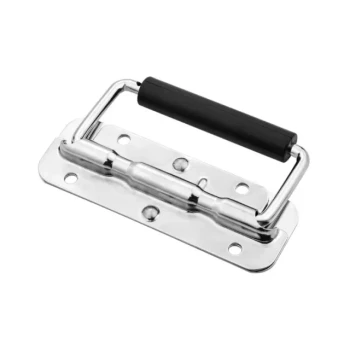
- Premium Comfort Grip Spring-Loaded Hive Handles
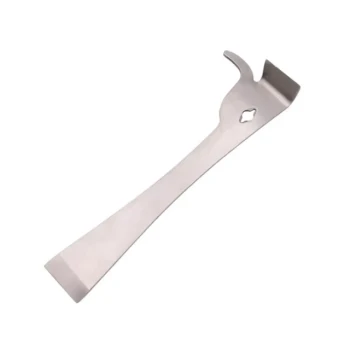
- HONESTBEE Professional Long Handled Hive Tool with Precision Cutting Blade
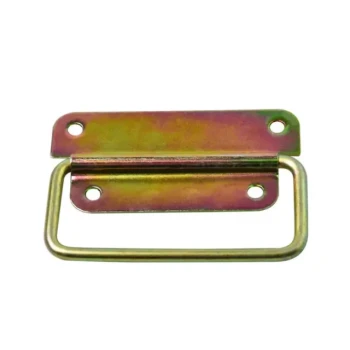
- Professional Grade Foldable Beehive Handles
- HONESTBEE Premium Italian Style Hive Tool with Hardwood Handle
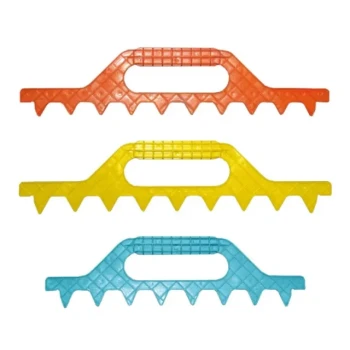
- Ergonomic Plastic Frame Spacer Tool for Rapid Hive Management Beekeeping
People Also Ask
- How do the geometry and dimensions of hive handles influence operational safety and control? Expert Design Insights
- How do bee hive handles facilitate the evaluation of food stores? Use the Lift Test for Winter Survival
- What are the different types of hive tools available? Choose the Right Tool for Your Apiary
- How do hive tools and queen rearing equipment facilitate the bee colony splitting process? Restore Your Apiary Faster
- Why are professional hive tools & observation equipment necessary for queen rearing evaluation? Master Your Quality