Bee hive handles function as the primary leverage point for the "lift test," a manual and non-intrusive method for estimating a colony's winter provisions. By engaging the handle on the rear of the lowest hive body, a beekeeper can physically gauge the total mass of the colony to determine if food stores are adequate for survival.
The resistance felt when lifting the hive via its handle serves as a direct proxy for honey and syrup stores. A heavy, hard-to-tilt hive indicates sufficient winter reserves, while a hive that lifts easily signals an urgent need for supplemental feeding.
The Mechanics of the Lift Test
The Pivot Point Technique
The handles are not merely for transportation; they serve as the mechanical interface for assessment. To perform the evaluation, you do not lift the entire hive off the ground.
Instead, you grasp the back handle of the lowest hive body with one hand. You then attempt to tilt the hive forward slightly. This uses the front of the hive as a fulcrum, allowing you to assess the weight without the physical strain of a full lift.
Interpreting Tactile Feedback
The physics of the lift test are binary. If the hive is difficult to tilt or feels "bolted to the ground," the colony possesses a high density of stored honey or syrup.
Conversely, if the handle lifts with little resistance, the hive body is light. This indicates that the combs are empty and the bees lack the fuel required to generate heat through the winter.
The Critical Role of Weight in Winter Survival
Fueling Thermal Regulation
Honeybees do not hibernate; they cluster to generate warmth. As noted in beekeeping thermodynamics, the insulation of the hive matters, but food is the fuel that drives the heater.
If the hive is too light, the bees cannot metabolize enough sugar to maintain the core temperature required for survival. The lift test allows you to verify this fuel supply without opening the hive, which would disastrously release trapped heat.
Timing the Assessment
This evaluation is most critical in late fall or early winter. In regions where temperatures drop below 50°F, bees cease foraging entirely.
At this stage, the "closed system" of the hive relies 100% on what is currently stored. Using the handles to monitor weight ensures you catch a starving colony while there is still time to intervene with emergency syrup or fondant.
Understanding the Trade-offs
Subjectivity vs. Precision
The lift test utilizes the handles for a qualitative assessment. It relies on the beekeeper's experience and "muscle memory" to judge what constitutes a heavy hive versus a light one. It does not provide data.
In contrast, high-precision beehive scales (a technological alternative) provide quantitative data. Scales can track 24-hour weight fluctuations and specific consumption rates, offering a level of detail that a manual lift cannot match.
Speed vs. Granularity
The handle method is efficient for large apiaries. A beekeeper can walk a line of hives and "heft" dozens of colonies in minutes to identify outliers.
However, this method lacks the granularity to detect subtle metabolic efficiency or gradual weight loss over time. It is a "go/no-go" gauge, whereas scales are diagnostic tools for detailed analysis.
Making the Right Choice for Your Goal
While handles provide the quickest method for assessment, your approach should depend on the level of detail required.
- If your primary focus is rapid field management: Rely on the lift test via the rear handle. It provides an immediate, sufficient answer regarding whether a colony needs emergency feeding.
- If your primary focus is research or precise monitoring: Implement high-precision scales. These will allow you to track metabolic efficiency and daily consumption rates that manual lifting cannot detect.
- If your primary focus is marginal climates: Combine both methods. Ensure the hive feels heavy via the lift test, but ensure the physical hive structure includes insulation wraps to reduce the rate at which those stores are consumed.
Mastering the use of the hive handle transforms it from a simple carrying aid into your first line of defense against winter starvation.
Summary Table:
| Method | Indicator | Benefit | Accuracy Level |
|---|---|---|---|
| Manual Lift Test | Tactile resistance via handle | Rapid field assessment; no heat loss | Qualitative (Experience-based) |
| Digital Hive Scales | Numeric weight data | Precise metabolic & consumption tracking | Quantitative (Data-driven) |
| Visual Inspection | Visible comb storage | Detailed health check (not for winter) | Direct Observation |
Maximize Your Apiary’s Winter Survival with HONESTBEE
Ensure your colonies are prepared for the cold with professional-grade equipment. HONESTBEE specializes in serving commercial apiaries and distributors with a comprehensive range of wholesale beekeeping solutions. From ergonomically designed hive bodies with secure handles for easy weight assessment to advanced honey-filling machines and specialized hardware, we provide the tools you need to succeed at scale.
Why Partner with HONESTBEE?
- Full Spectrum Supply: We offer everything from essential consumables to hive-making machinery.
- Commercial Focus: Dedicated wholesale pricing and logistics for large-scale operations.
- Industry Expertise: Our portfolio includes honey-themed cultural merchandise to help you diversify your brand.
Ready to upgrade your apiary’s efficiency? Contact us today to explore our wholesale catalog!
References
- Jamie Ellis, Katherine Hammons. Overwintering Honey Bee Colonies in Northern Climates. DOI: 10.32473/edis-in1006-2013
This article is also based on technical information from HonestBee Knowledge Base .
Related Products
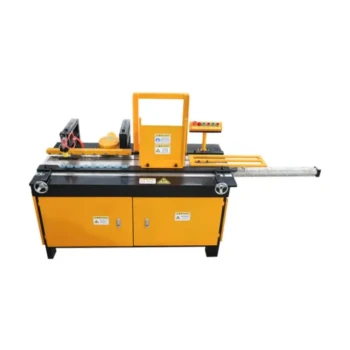
- Beehive Handle and Frame Rest Cutting Machine: Your Specialized Hive Machine
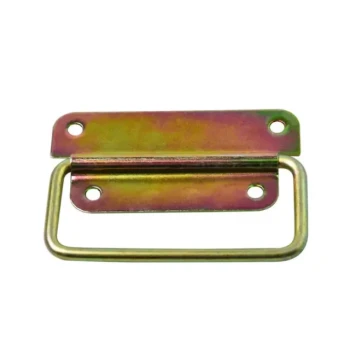
- Professional Grade Foldable Beehive Handles
- HONESTBEE Professional Long Handled Hive Tool with Precision Cutting Blade
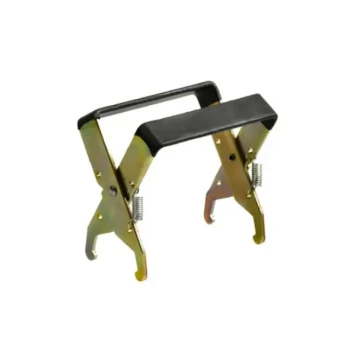
- Durable Rubberized Comfort Handle Frame Grip
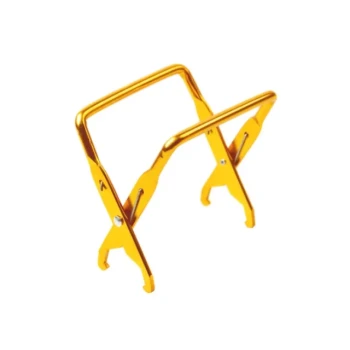
- Premium Comfort Grip Spring-Loaded Hive Handles
People Also Ask
- What is the importance of specialized beehive-making machinery? Ensure Precision for Sensor-Based Hive Monitoring
- How do specialized beehive handling machines contribute to efficiency? Streamline Your Mobile Beekeeping Logistics
- How do professional beehive and frame manufacturing machines contribute to commercial apiary management? Boost Efficiency
- What are the standard dimensions for frame rests in a beehive? Essential Guide for Perfect Bee Space
- Why is professional beehive frame-making machinery required for large-scale apiary operations? Scale with Precision