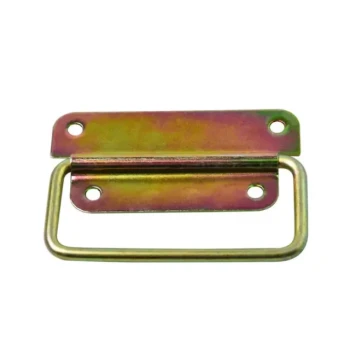
The geometry and dimensions of hive handles determine the operator's ability to maintain a secure grip and distribute weight effectively. Optimized handle designs are essential for preventing slippage during transport, directly influencing the stability of the load. Furthermore, specific geometric choices, such as rounded edges, are critical for protecting the hands from mechanical injury and soft tissue damage.
Optimized handle geometry is not merely about comfort; it is a vital safety mechanism that prevents accidents by ensuring even force distribution. By eliminating sharp corners and providing adequate dimension for gripping, proper design protects the operator and maximizes control over heavy loads.
The Mechanics of Grip and Control
Securing the Load
The primary role of handle dimensions is to facilitate a secure grip. If a handle is too shallow or poorly shaped, the risk of the hive slipping from the operator's hands increases significantly.
Proper dimensions allow the fingers to engage fully with the lifting surface. This positive engagement is the first line of defense against dropping heavy apiary equipment.
Distributing Force Evenly
Hive handles must be designed to manage the substantial weight of a loaded hive. Force distribution is a function of the handle's contact area with the hand.
A well-dimensioned handle spreads the load across the fingers and palm. This prevents pressure from concentrating on a single point, which can cause fatigue or sudden loss of control.
Improving Maneuverability
Control is a direct result of handle geometry. When a handle fits the hand correctly, the operator can maneuver the hive with precision.
This reduces the likelihood of awkward adjustments during lifting. A stable grip allows for smoother movements, reducing the physical strain associated with repositioning heavy boxes.
Protecting the Operator
Eliminating Sharp Edges
The specific geometry of the handle edges plays a crucial role in injury prevention. Designs must feature rounded edges rather than sharp corners.
Sharp angles concentrate stress and can easily cut the skin under the weight of a hive. Rounding these features eliminates the risk of immediate mechanical damage to the hands.
Preserving Soft Tissue
Beyond cuts, the pressure of a heavy lift can crush soft tissue. Geometry that accommodates the natural curve of the hand protects the muscles and nerves.
By removing sharp pressure points, the design minimizes deep tissue bruising. This ensures that the operator remains capable and safe throughout the duration of the work.
Understanding the Design Trade-offs
Depth vs. Structural Integrity
While deeper handles generally offer a more secure grip, increasing the depth dimensions can impact the hive wall.
Removing too much material to create a deep recessed handle may weaken the structural integrity of the box. Conversely, adding protruding handles increases the external dimensions, which can complicate storage or transport spacing.
Ergonomics vs. Manufacturing Simplicity
Rounded, ergonomic edges are superior for safety, but they require more complex manufacturing processes.
Simple, square-edged cleats are easier to produce but pose a higher risk of injury. Prioritizing safety often means accepting a slightly more complex fabrication process to achieve the necessary rounded geometry.
Making the Right Choice for Your Operation
Select your equipment based on the specific demands of your apiary workflow.
- If your primary focus is injury prevention: Prioritize handles with aggressive rounding on all edges to protect soft tissue and skin from mechanical damage.
- If your primary focus is load security: Ensure handle dimensions provide sufficient depth and width to maximize surface area for a slip-proof grip.
Investing in optimized handle geometry is the most effective way to ensure long-term operational safety and control.
Summary Table:
| Design Feature | Primary Benefit | Operational Impact |
|---|---|---|
| Rounded Edges | Prevents cuts & soft tissue damage | Enhanced operator safety & reduced fatigue |
| Optimized Depth | Increases grip engagement | Prevents load slippage & accidental drops |
| Wider Surface Area | Even force distribution | Improved maneuverability of heavy loads |
| Ergonomic Shape | Natural hand alignment | Reduced physical strain & long-term health protection |
Maximize Your Apiary Efficiency with HONESTBEE
At HONESTBEE, we understand that the smallest details—like the geometry of a hive handle—can make the biggest difference in your daily operations. As a dedicated partner to commercial apiaries and distributors, we provide a comprehensive range of premium beekeeping tools, specialized machinery, and essential consumables designed for safety and durability.
From ergonomic hive hardware to industrial-grade honey-filling machines and hive-making equipment, our wholesale portfolio is built to scale your business. Don't compromise on operational safety or control.
Ready to upgrade your equipment? Contact us today to discover how our tailored solutions can support your growth and protect your workforce.
References
- Özgür Özgün, İsa Ak. Ergonomics in Beekeeping Activities. DOI: 10.46810/tdfd.1405223
This article is also based on technical information from HonestBee Knowledge Base .
Related Products
- Premium Comfort Grip Spring-Loaded Hive Handles
- Professional Drop-Style Hive Handles for Beekeeping
- Professional Grade Foldable Beehive Handles
- HONESTBEE Premium Italian Style Hive Tool with Hardwood Handle
- HONESTBEE Professional Long Handled Hive Tool with Precision Cutting Blade
People Also Ask
- How do bee hive handles facilitate the evaluation of food stores? Use the Lift Test for Winter Survival
- What are the different types of hive tools available? Choose the Right Tool for Your Apiary
- How do hive tools and queen rearing equipment facilitate the bee colony splitting process? Restore Your Apiary Faster
- Why are professional hive tools & observation equipment necessary for queen rearing evaluation? Master Your Quality
- Which intervention materials and management tools are used in commercial apiaries? Protect Your Bees from Pesticides