Precision silicone molds revolutionize queen cup manufacturing by offering unparalleled geometric accuracy and industrial-grade consistency. These molds utilize heat-resistant, flexible polymers to ensure every wax cup meets the exact 9mm diameter and 10mm depth required for optimal larval development. By eliminating manual dipping variances, they provide a standardized product that ensures higher acceptance rates in the hive and reliable stock for large-scale distribution.
For high-volume distributors, precision silicone molds represent the transition from artisanal craft to industrial-grade reliability. By leveraging material flexibility and thermal stability, these molds ensure dimensional uniformity and rapid production cycles, directly improving supply chain predictability.
Engineering Dimensional Consistency
Replicating Natural Geometric Standards
Honey bees require specific dimensions for successful queen rearing, and precision silicone molds achieve a 9mm diameter and 10mm depth with micron-level accuracy. This precision mimics natural conditions, which significantly increases the acceptance rate of artificial cells by worker bees.
Eliminating Irregular Edges
Traditional wooden molds or manual dipping often result in irregular heights or jagged edges that can frustrate beekeepers. Silicone molds produce a standardized profile, ensuring that every cup in a batch maintains a consistent height (up to 11mm) and uniform wall thickness.
Enhancing Larval Environment
Standardization is critical for creating a consistent development environment that simulates natural queen cells. By removing geometric variations, these molds eliminate experimental or production errors, facilitating a standardized research and breeding process for professional apiaries.
Material Properties and Production Efficiency
Thermal Stability and Non-Stick Performance
Silicone’s high temperature resistance allows it to handle molten beeswax or paraffin without deformation or degradation. Its inherent non-stick properties mean beeswax does not adhere to the surface, which significantly reduces the time required for cleaning and maintenance compared to wooden alternatives.
Elasticity and Rapid De-molding
The high flexibility of the polymer allows for damage-free extraction of the wax once it has cooled. This elasticity ensures that even the most delicate cup edges remain intact during removal, which is essential for maintaining a high-quality "full-spectrum" product portfolio.
Simultaneous Multi-Cup Molding
Precision molds are often designed to work in conjunction with specialized cell bars, allowing for the simultaneous molding of dozens of cups. This capability is vital for wholesalers who require efficient order fulfillment and a rapid response to seasonal market demands.
Industrial Scalability for Wholesalers
Long-Term Aging Resistance
Industrial-grade silicone is chosen for its aging resistance and long service life, ensuring the mold does not become brittle or warped over time. This durability allows manufacturers to offer a consistent product year after year, building deep trust with B2B resellers.
Capturing Intricate Detail
Beyond simple cups, these molds possess the ability to capture micron-level details, which can be used to add branding or specific textures to the wax. This level of detail ensures the integrity of high-value beekeeping consumables and helps products stand out in a crowded marketplace.
Streamlining the Supply Chain
Because silicone molds produce uniform results with minimal labor, they allow for ultra-fast delivery of bulk orders. This efficiency enables distributors to maintain leaner inventories while knowing they can restock standardized components quickly.
Understanding the Trade-offs
Initial Investment vs. Unit Cost
High-quality precision silicone molds require a higher upfront investment than basic wooden or plastic forms. However, the reduction in labor and the near-zero rejection rate of finished cups typically result in a lower total cost per unit for high-volume operations.
Thermal Cooling Requirements
While silicone is excellent for molding, it is also an insulator, meaning the beeswax may take slightly longer to cool than in a metal mold. To maintain rapid response times, professional setups often incorporate controlled cooling environments to speed up the solidification process.
Making the Right Choice for Your Goal
How to Apply This to Your Project
Depending on your business model, the technical advantages of silicone molds can be leveraged in different ways to maximize your market position.
- If your primary focus is Market Leadership: Invest in products made from precision silicone molds to guarantee the highest acceptance rates in the industry, positioning yourself as a provider of premium-tier beekeeping gear.
- If your primary focus is Supply Chain Efficiency: Prioritize suppliers who utilize multi-cavity silicone molds to ensure they can meet large-scale "ultra-fast" delivery requirements during the peak queen-rearing season.
- If your primary focus is Product Diversification: Use the high-detail capability of silicone to offer a "full-spectrum" portfolio that includes specialized cups for both commercial honey producers and research institutions.
By transitioning to precision silicone molding, you ensure that every component in your inventory meets the rigorous technical standards required for modern, professional beekeeping.
Summary Table:
| Technical Feature | Performance Benefit | Industrial Impact for Wholesalers |
|---|---|---|
| Dimensional Accuracy | 9mm x 10mm precision (micron-level) | Higher larval acceptance rates & product standardization |
| Thermal Stability | Resists heat from molten wax/paraffin | Longer mold lifespan & consistent geometry |
| Elasticity/Non-Stick | Damage-free extraction & zero residue | Reduced labor costs & near-zero rejection rates |
| Multi-Cavity Design | Simultaneous production of dozens of cups | Rapid fulfillment for high-volume seasonal demand |
| Aging Resistance | Flexible polymer remains durable over time | Reliable supply chain and consistent year-over-year quality |
Scale Your Success with HONESTBEE – Your One-Stop Beekeeping Partner
At HONESTBEE, we empower commercial apiaries and distributors with a full-spectrum wholesale offering designed for industrial-grade reliability. From precision silicone molds and hive-making machinery to honey-filling equipment and essential consumables, we provide the tools you need to maximize profit margins and streamline operations.
Why Partner with HONESTBEE?
- Comprehensive Portfolio: Access everything from specialized hardware to honey-themed cultural merchandise.
- Rapid Fulfillment: Benefit from ultra-fast delivery and efficient order processing to meet peak season demands.
- Professional Expertise: Leverage our deep industry knowledge for OEM/ODM support and premium trading services.
- Exceptional Service: Dedicated support focused on the unique needs of B2B resellers and large-scale distributors.
Contact Our Specialist Team Today to optimize your supply chain and secure premium beekeeping equipment.
References
- Assessment of Priming Media and Queen Cup Materials in Grafting Techniques for Enhancing Queen Rearing Success. DOI: 10.17756/jfcn.2025-s1-003
This article is also based on technical information from HonestBee Knowledge Base .
Related Products
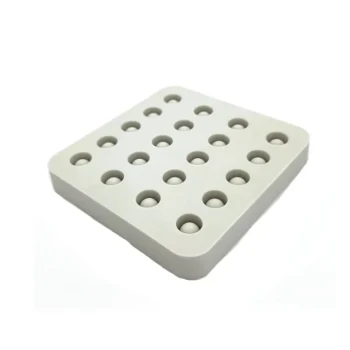
- High-Efficiency 20-Cell Silicone Mold for Beeswax Bee Queen Cup Production
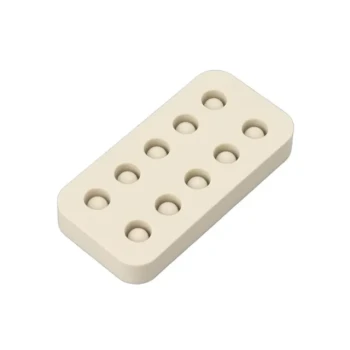
- 10-Cell Silicone Beeswax Bee Queen Cups Forming Mold
- Colorful Silicone Beeswax Foundation Mold Mould for Beekeeping
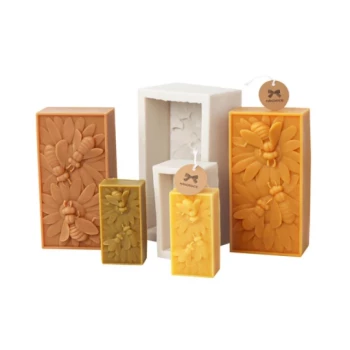
- 3D Square Honeycomb Pillar Silicone Candle Molds for Making Beeswax Candles
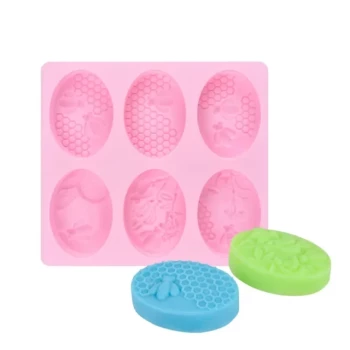
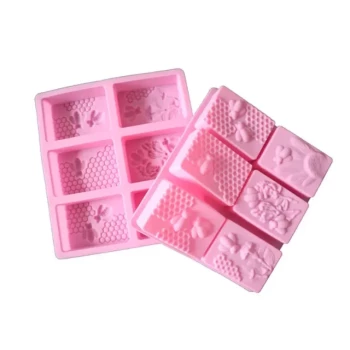
- Premium 6-Cavity Bee and Floral Themed Silicone Soap Mold
People Also Ask
- What is the first tip for pouring beeswax into a silicone mold? Ensure a Perfect Release
- How do beeswax queen cell cups function? Optimize Queen Rearing with Biological Mimicry
- What is the biological function of beeswax queen cell cups? Boost Acceptance in Artificial Queen Rearing
- What are the advantages of using tapered wooden dowels for queen cups? Boost Rearing Consistency & Acceptance
- What role do beeswax queen cups play in large-scale queen production? Optimize Acceptance and Larval Development