The primary advantage of using tapered wooden dowels is their ability to function as precise, standardized molds for the rapid production of uniform artificial queen cups. By repeatedly dipping these dowels into molten beeswax, beekeepers can ensure that every resulting cup maintains consistent internal diameter, depth, and wall thickness. This physical standardization minimizes variables in the container structure, providing a stable foundation for grafting that directly supports predictable queen development.
Consistency is the single most critical factor in scaling queen rearing operations. Tapered wooden dowels eliminate geometric variability, ensuring that every larvae is introduced to a physical environment optimized for worker acceptance and development.
The Mechanics of Standardization
Achieving Geometric Precision
The use of tapered wooden dowels ensures that the fundamental dimensions of the queen cup are identical across every unit produced.
This process guarantees a consistent internal diameter and depth, which are critical parameters for proper larval development.
Uniform Wall Thickness
Through the dipping and cooling process, the dowel allows for a controlled build-up of wax.
This results in uniform wall thickness, preventing issues where cups are too fragile to handle or too thick for bees to manipulate effectively.
Optimized Curvature
Specialized wooden dowels are designed with specific curvatures that mimic natural queen cells.
This precise shaping is instrumental in creating a physical environment that triggers the appropriate biological responses from the colony.
Impact on Rearing Outcomes
Increasing Worker Acceptance
The geometric consistency provided by these molds plays a direct role in how the colony perceives the introduced cups.
When the diameter and curvature are precisely maintained, worker bees show a significantly higher acceptance rate of the grafted larvae.
Reducing Success Rate Fluctuations
Variability in cup size or shape can lead to inconsistent care from nurse bees.
By standardizing the physical environment using dowels, breeders can reduce fluctuations in success rates, making the rearing process more reliable and predictable.
Workflow and Efficiency
Rapid Batch Production
The interaction between the wooden material and molten beeswax allows for a fast molding cycle.
This facilitates the rapid formation of large numbers of cups, essential for commercial or large-scale breeding operations.
Streamlined Frame Management
Because every cup is identical, arranging them on queen rearing frames becomes a standardized task.
This uniformity facilitates efficient batch arrangement and simplifies the overall management of the cells within the hive.
Understanding the Trade-offs
Dependency on Tool Precision
The quality of the output is entirely dependent on the precision of the dowel itself.
If the wooden dowel is poorly machined or lacks the correct taper, that error will be replicated across every single cup in the batch, potentially compromising the entire run.
Material Maintenance
Wooden dowels require maintenance to ensure they remain smooth and free of defects.
A damaged surface on the mold can lead to irregularities in the wax cup, negating the advantages of the standardization process.
Making the Right Choice for Your Goal
To maximize the benefits of tapered wooden dowels, align your usage with your specific rearing objectives:
- If your primary focus is increasing acceptance rates: Prioritize dowels with precisely designed curvatures and diameters to mimic natural cell geometry for the bees.
- If your primary focus is operational efficiency: Leverage the rapid cooling and release properties of the dowels to streamline batch arrangement on rearing frames.
By controlling the physical variables of the cup through standardized molding, you transform queen rearing from a game of chance into a predictable science.
Summary Table:
| Feature | Advantage of Tapered Wooden Dowels | Impact on Queen Rearing |
|---|---|---|
| Geometric Precision | Standardized internal diameter and depth | Provides a stable foundation for larval development |
| Wall Consistency | Controlled wax build-up via dipping | Ensures cups are durable yet easy for bees to manipulate |
| Natural Curvature | Mimics the shape of natural queen cells | Significantly increases nurse bee acceptance rates |
| Production Speed | Rapid molding and cooling cycle | Facilitates efficient batch production for large operations |
| Operational Flow | Uniform cups for frame arrangement | Simplifies hive management and reduces success fluctuations |
Elevate Your Apiary with HONESTBEE Precision Equipment
At HONESTBEE, we specialize in supporting commercial apiaries and distributors with high-quality, professional-grade beekeeping solutions. Whether you are scaling your queen rearing operations or expanding your wholesale inventory, our comprehensive portfolio has you covered.
Our Value to You:
- Specialized Machinery: From precision hive-making to honey-filling machines for streamlined production.
- Full-Spectrum Supplies: A complete range of beekeeping tools, hardware, and essential industry consumables.
- Wholesale Excellence: Competitive offerings designed for large-scale operations and global distributors.
Ready to transform your queen rearing from a game of chance into a predictable science? Contact us today to explore our wholesale equipment and specialized tools tailored for your success!
References
- Joseph Milone, David R. Tarpy. Effects of developmental exposure to pesticides in wax and pollen on honey bee (Apis mellifera) queen reproductive phenotypes. DOI: 10.1038/s41598-020-80446-3
This article is also based on technical information from HonestBee Knowledge Base .
Related Products
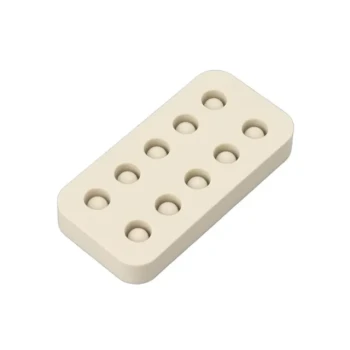
- 10-Cell Silicone Beeswax Bee Queen Cups Forming Mold
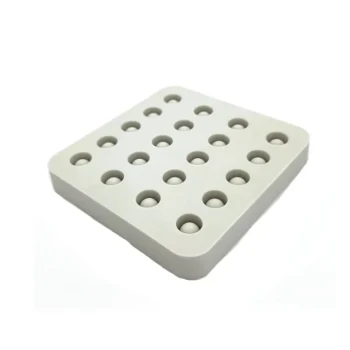
- High-Efficiency 20-Cell Silicone Mold for Beeswax Bee Queen Cup Production
- JZBZ Type Wide Base Plastic Queen Cell Cups for Base Mounting and Queen Rearing
- Brown Nicot Queen Cell Cups for Breeding Queen Bees Beekeeping
- Clear Black Plain Polystyrene Queen Bee Grafting Cell Cups No Lug for Bee Queen Cup
People Also Ask
- How do beeswax queen cell cups function? Optimize Queen Rearing with Biological Mimicry
- What is the biological function of beeswax queen cell cups? Boost Acceptance in Artificial Queen Rearing
- What role do specialized queen rearing tools play in developing mite-resistant honeybee stock? Master Genetic Selection
- What materials are used to make artificial queen cell cups for grafting? Beeswax vs. Plastic Guide
- What roles do specialized queen cell cups play in royal jelly production? Optimize Your Hive's Secretion and Yield