Beeswax queen cell cups serve as the fundamental biological interface between human intervention and the natural instincts of the honeybee colony. In the context of artificial queen rearing, their primary function is to act as a bio-mimetic carrier for grafted larvae, leveraging the natural chemical properties of beeswax to maximize the acceptance rate of the introduced larvae by the worker bees.
Core Insight: The beeswax cup is not just a container; it is a biological trigger. By replicating the specific chemical composition and physical structure of a natural queen cell base, these cups deceive nurse bees into perceiving the grafted larvae as naturally occurring queen candidates, stimulating the critical secretion of royal jelly.
The Mechanism of Biological Acceptance
Chemical Consistency
The primary advantage of beeswax cups lies in their material composition. Because the cups are made from substance identical to the hive’s internal structure, they possess chemical properties highly consistent with the colony environment.
This chemical familiarity reduces the likelihood of the colony rejecting the foreign object. It effectively "masks" the artificial nature of the intervention, allowing the nurse bees to focus immediately on the larva rather than cleaning out a foreign object.
Inducing the Rearing Impulse
Beyond simple acceptance, the cups actively trigger the colony's "rearing impulse." The cups are shaped to mimic the base of natural queen cells typically built during swarming or supersedure.
When nurse bees encounter a larva inside this specific structure made of familiar wax, their biological programming prompts them to initiate queen-rearing behavior. This recognition is the first step in the differentiation process from worker to queen.
Facilitating Queen Development
The Royal Jelly Reservoir
Once the rearing impulse is triggered, the cup serves as a standardized vessel for royal jelly. The structure allows nurse bees to deposit large quantities of this nutrient-rich substance, ensuring the larva is suspended in it.
This intensive feeding is the biological driver of queen differentiation. The cup provides the necessary physical space for this accumulation, ensuring the larva receives the nutritional threshold required to develop reproductive ovaries.
A Controlled Biological Interface
The beeswax cup acts as a stable experimental interface. It allows for the observation of how the carrier material might influence the pH or chemical properties of the royal jelly itself.
Research suggests that the interaction between the royal jelly and the cup material can influence larval survival rates. Beeswax offers a biologically neutral and safe environment that supports the delicate chemistry of the royal jelly.
Understanding the Trade-offs
Material Limitations
While beeswax offers superior chemical compatibility, it is a consumable resource. Unlike plastic cups, which are rigid and reusable, beeswax cups are often manipulated, built upon, or consumed by the bees during the process.
The Complexity of Standardization
Using beeswax requires precise fabrication to ensure uniformity. If the wax cups do not perfectly simulate the natural shape of a queen cell base (as seen in the Doolittle method), the induction of the nurse bees may fail regardless of the material's chemical correctness.
Making the Right Choice for Your Goal
When selecting the substrate for your queen rearing operation, consider how the biological function of the cup aligns with your production scale and success metrics.
- If your primary focus is Maximum Acceptance Rates: Prioritize pure beeswax cups, as their chemical consistency minimizes rejection by sensitive colonies.
- If your primary focus is Natural Larval Development: Use beeswax to ensure the pH and chemical environment of the royal jelly remains unaltered by synthetic materials.
- If your primary focus is Process Control: Ensure your beeswax cups are molded to standard dimensions to maintain a consistent "rearing impulse" across all grafting frames.
Ultimately, the beeswax cup functions as a bridge, translating your artificial grafting efforts into a chemical and physical language the colony instinctively understands.
Summary Table:
| Biological Function | Description | Key Benefit |
|---|---|---|
| Chemical Consistency | Matches the hive's natural beeswax composition. | Minimizes rejection by nurse bees. |
| Impulse Triggering | Mimics natural swarm/supersedure cell bases. | Stimulates immediate queen-rearing behavior. |
| Nutrient Reservoir | Provides a standardized vessel for royal jelly. | Ensures larvae reach the nutritional threshold. |
| pH Stability | Offers a biologically neutral environment. | Protects the chemical integrity of royal jelly. |
Elevate Your Queen Rearing Success with HONESTBEE
At HONESTBEE, we understand that commercial apiaries and distributors require high-performance tools that respect honeybee biology. Whether you are scaling production or seeking premium supplies, our comprehensive wholesale portfolio has you covered. From precision-molded queen rearing equipment to industrial hive-making and honey-filling machinery, we provide the hardware and consumables necessary for modern beekeeping excellence.
Why partner with HONESTBEE?
- Wholesale Expertise: Tailored solutions for large-scale operations and distributors.
- Full Spectrum Supply: Everything from specialized machinery to honey-themed cultural merchandise.
- Quality Driven: Tools designed to maximize acceptance rates and colony productivity.
Ready to enhance your operation's efficiency? Contact us today to discuss your wholesale needs!
References
- Gonca ÖZMEN ÖZBAKIR. The relationship between the internal and external morphological parameters of honeybee queens (Hymenoptera: Apidae) and the determination of morphological variation. DOI: 10.4314/sajas.v53i1.03
This article is also based on technical information from HonestBee Knowledge Base .
Related Products
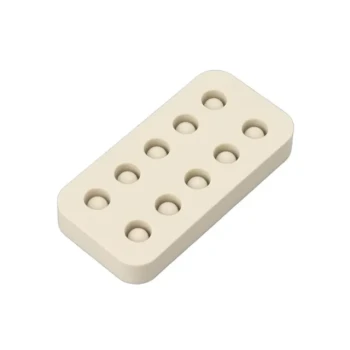
- 10-Cell Silicone Beeswax Bee Queen Cups Forming Mold
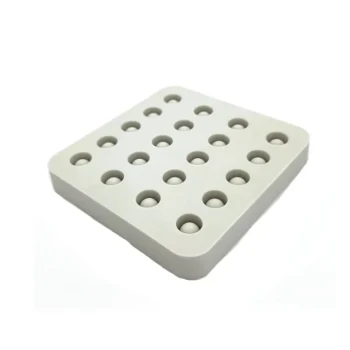
- High-Efficiency 20-Cell Silicone Mold for Beeswax Bee Queen Cup Production
- Brown Nicot Queen Cell Cups for Breeding Queen Bees Beekeeping
- Clear Black Plain Polystyrene Queen Bee Grafting Cell Cups No Lug for Bee Queen Cup
- JZBZ Push-In Queen Cell Cups for Beekeeping
People Also Ask
- How do beeswax queen cell cups function? Optimize Queen Rearing with Biological Mimicry
- What role do specialized queen rearing tools play in developing mite-resistant honeybee stock? Master Genetic Selection
- What materials are used to make artificial queen cell cups for grafting? Beeswax vs. Plastic Guide
- What roles do specialized queen cell cups play in royal jelly production? Optimize Your Hive's Secretion and Yield
- How does the standardized depth of queen cell cups affect larval acceptance? Boost Success with 6mm Precision