Beeswax queen cups function as the primary biological interface in the artificial rearing of queen bees, serving as a standardized vessel that mimics nature to trigger specific worker bee behaviors. These cups, typically manufactured with a specific 9mm diameter, provide the structural foundation required for nurse bees to deposit massive quantities of royal jelly and for the developing larvae to successfully complete metamorphosis.
Core Takeaway Beeswax cups act as a "biological trotline," allowing producers to scale operations by standardizing the physical housing of the queen. Their success relies entirely on mimicking the geometry and chemical signature of natural cells to ensure worker bees accept the grafted larvae and fuel their development.
The Biological Function of the Cup
Mimicking Natural Geometry
The primary role of the cup is to simulate the natural architecture of a queen cell. By adhering to specific dimensions, such as a 9mm diameter, the cup signals to the colony that the resident larva is destined to be a queen rather than a worker.
The Reservoir for Development
Queen larvae require a significantly higher volume of nutrition than worker bees. The beeswax cup provides the necessary volumetric space to hold the substantial deposits of royal jelly supplied by nurse bees.
Structural Support for Metamorphosis
The cup serves as a protective casing during the critical transition from larva to pupa. It offers the structural integrity needed to support the queen's weight and protect her distinct shape as she undergoes pupation within the nursing colony.
Critical Success Factors in Production
The Necessity of Chemical Purity
The material quality of the cup is not merely a structural concern; it is a chemical one. Beeswax is lipophilic, meaning it readily absorbs and retains fats and oils.
Avoiding Environmental Contamination
Because of its lipophilic nature, beeswax accumulates environmental pesticides and miticides. In large-scale production, using high-purity, contaminant-free wax is essential to prevent unintended sub-lethal effects that can degrade the queen's quality or kill the larva.
Maximizing Acceptance Rates
The quality of the wax directly influences the acceptance rate of the larvae by the worker bees. If the wax contains chemical interference or foreign odors, nurse bees may reject the graft, dismantling the cell rather than building it out.
Risks and Trade-offs
The "Chemical Memory" of Wax
Unlike inert materials, beeswax carries a history of its environment. If you source wax from regions with heavy agricultural spraying or hive treatments, the cups themselves become a vector for toxicity, potentially ruining experimental control groups or commercial batches.
Durability vs. Natural Acceptance
While plastic cups offer high consistency and reusability, beeswax cups offer a superior natural interface. However, this comes at the cost of fragility and the rigorous requirement for sourcing "clean" wax to ensure the hardware does not negatively impact biological development.
Making the Right Choice for Your Goal
To maximize the effectiveness of beeswax cups in your operation, consider the following approach:
- If your primary focus is maximum larval acceptance: Prioritize fresh, high-purity beeswax harvested from hives free of miticide treatments to utilize the material's natural pheromonal compatibility.
- If your primary focus is rigorous quality control: Treat the beeswax cup as a critical variable; ensure the diameter is precisely 9mm and the wax source is chemically analyzed to eliminate pesticide interference.
Success in large-scale queen rearing begins with the purity and precise geometry of the humble wax cup.
Summary Table:
| Feature | Role in Queen Rearing | Key Benefit |
|---|---|---|
| 9mm Diameter | Mimics natural queen cell geometry | Triggers worker bees to provide royal jelly |
| Beeswax Material | Provides natural chemical signature | Maximizes larval acceptance by nurse bees |
| Volumetric Space | Acts as a reservoir for nutrition | Holds massive deposits of royal jelly for growth |
| Structural Support | Protective casing during pupation | Ensures successful metamorphosis and physical integrity |
Scale Your Apiary Success with HONESTBEE
Maximize your queen rearing efficiency and colony productivity with premium tools from HONESTBEE. As a dedicated partner to commercial apiaries and distributors, we provide everything from high-purity consumables to advanced hive-making and honey-filling machinery.
Whether you are looking for wholesale beekeeping equipment or specialized hardware, we offer the quality and reliability your business needs to thrive. Contact us today to explore our comprehensive wholesale solutions and see how our industry expertise can enhance your operations.
References
- Ahmed M. Abdelaal. Effect of Rearing Queen Bees, Apis mellifera L. Raised from Grafted Larvae Under Magnetic Field Conditions on Its Characteristics. DOI: 10.21608/eajbsa.2020.131159
This article is also based on technical information from HonestBee Knowledge Base .
Related Products
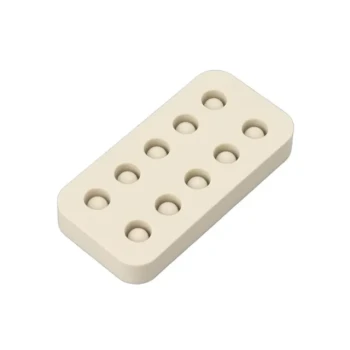
- 10-Cell Silicone Beeswax Bee Queen Cups Forming Mold
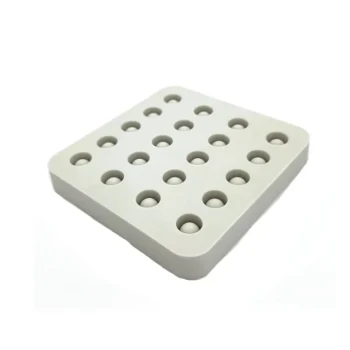
- High-Efficiency 20-Cell Silicone Mold for Beeswax Bee Queen Cup Production
- Brown Nicot Queen Cell Cups for Breeding Queen Bees Beekeeping
- Clear Black Plain Polystyrene Queen Bee Grafting Cell Cups No Lug for Bee Queen Cup
- JZBZ Push-In Queen Cell Cups for Beekeeping
People Also Ask
- How do beeswax queen cell cups function? Optimize Queen Rearing with Biological Mimicry
- What is the biological function of beeswax queen cell cups? Boost Acceptance in Artificial Queen Rearing
- What role do specialized queen rearing tools play in developing mite-resistant honeybee stock? Master Genetic Selection
- What materials are used to make artificial queen cell cups for grafting? Beeswax vs. Plastic Guide
- What roles do specialized queen cell cups play in royal jelly production? Optimize Your Hive's Secretion and Yield