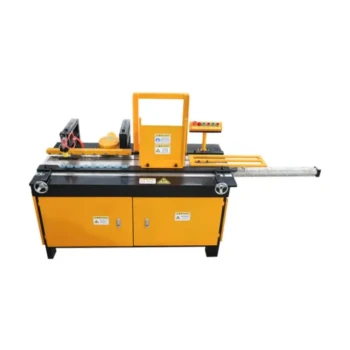
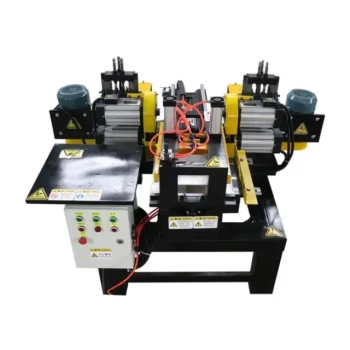
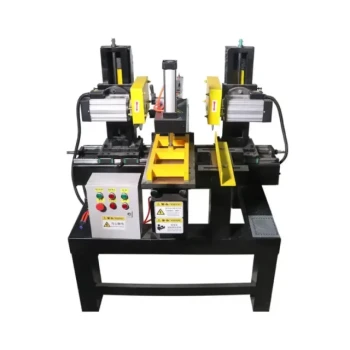
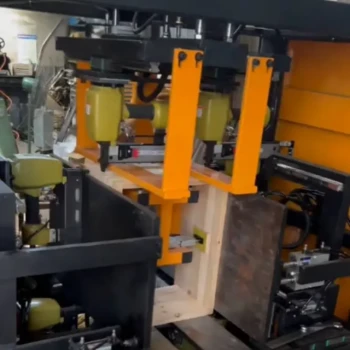
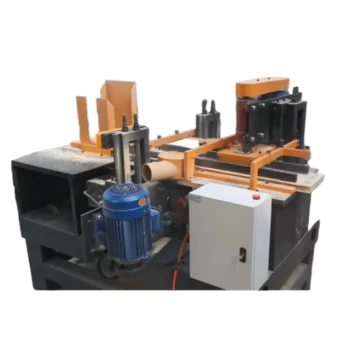
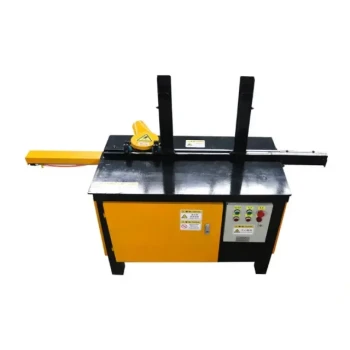
Standardized beehive manufacturing machinery offers a distinct technical advantage over manual construction by enforcing high-precision processing that strictly adheres to the "bee space" principle. While manual construction often leads to variable internal dimensions, machine-produced hives create a geometrically uniform environment that optimizes brood rearing, significantly reduces the energy bees expend on sealing structural gaps, and ensures compatibility with modern automated extraction and IoT systems.
Core Insight: The shift to standardized machinery transforms the beehive from a variable craft product into a precision-engineered biological instrument. This standardization is the prerequisite for both scalable commercial operations and the creation of optimized, stress-free microclimates that actively support colony health.
Optimizing Biological Efficiency
Adherence to the Bee Space Principle
The primary technical advantage of automated machinery is the rigorous enforcement of "bee space"—the precise gap required for bees to move freely. Manual construction frequently deviates from these tolerances. Machine precision prevents the creation of burr comb (excess wax) or propolis seals in wrong areas, allowing the colony to focus energy on honey production and brood rearing.
Enhanced Thermoregulation
Standardized manufacturing creates airtight, uniform joints that eliminate drafty irregularities common in hand-built hives. This structural integrity helps colonies efficiently maintain the critical internal nest temperature of 34°C. By stabilizing the microclimate, the hive reduces the metabolic stress on the bees during extreme weather conditions.
Species-Specific Settlement
Precision machinery can be calibrated to the specific biological requirements of different species, such as the Eastern honeybee. Accurate internal dimensions improve colony settlement rates and reduce stress. This is vital for maintaining productivity and supporting local biodiversity in regions relying on specific native bee species.
Operational Scalability and Integration
Foundation for Digital Management
Standardized hive structures are essential for the integration of Internet of Things (IoT) hardware. Sensors for temperature, humidity, and acoustics require uniform mounting points to function correctly. Machined hives ensure seamless installation of these digital tools without the need for retrofitting or manual modification.
Automation Compatibility
Large-scale apiculture relies on mechanized honey extraction. Machine-made hive frames feature uniform specifications that fit perfectly into centrifugal honey extractors and uncapping machines. This prevents equipment jams and frame damage, streamlining the harvesting process.
Reduced Maintenance Costs
Uniform specifications facilitate the interchangeability of parts across an entire apiary. When components break, they can be replaced instantly with off-the-shelf standard parts. This modularity reduces long-term maintenance costs compared to manually built hives, which often require custom repairs.
Defense and Sanitary Standards
Physical Exclusion of Pests
High-precision cutting creates tight seals that act as a physical barrier against external threats. This structural accuracy effectively prevents the intrusion of predators such as hornets and small hive beetles. By relying on physical exclusion rather than chemical deterrents, the hive maintains a purer environment.
Support for Organic Practices
Machine processing facilitates the use of chemical-free wood treatment methods. Because the physical design creates an effective defense against pests, there is a reduced reliance on chemical pesticides. This protects the natural purity of the honey and the growth environment at the source.
Understanding the Trade-offs
Initial Capital Intensity
While the per-unit cost drops over time, shifting to standardized machinery requires significant upfront capital investment. For small-scale hobbyists, the cost of acquisition may outweigh the efficiency gains compared to traditional manual tools.
Reduced Customization Flexibility
Standardization inherently limits on-the-fly customization. Once a production line is set for a specific hive standard (e.g., Langstroth or Dadant), altering dimensions to experiment with novel hive designs becomes operationally difficult. This rigidity can stifle small-scale innovation in hive architecture.
Making the Right Choice for Your Goal
To determine if standardized machinery is the right approach for your operation, consider your primary objectives:
- If your primary focus is Commercial Scalability: Prioritize machine-made hives to ensure compatibility with automated extraction lines and to reduce labor costs associated with maintenance.
- If your primary focus is Colony Health and Biology: Use standardized machinery to guarantee precise thermoregulation and stress-free "bee space" dimensions for sensitive species.
- If your primary focus is Smart Farming (AgTech): Adopt standardized structures to facilitate the seamless deployment of IoT sensors and data collection hardware.
Precision manufacturing is not just about building boxes faster; it is about creating a stable, standardized interface between biological needs and industrial efficiency.
Summary Table:
| Feature | Manual Construction | Standardized Machinery |
|---|---|---|
| Precision | Variable/Approximate | High-precision "Bee Space" |
| Thermoregulation | Prone to drafts/irregular joints | Airtight, uniform structural integrity |
| Scalability | Low (labor intensive) | High (automation & IoT ready) |
| Part Replacement | Custom/Hand-fitted | Universal interchangeability |
| Pest Control | Variable gap sealing | Tight physical barriers (hornets/beetles) |
| Biological Impact | High metabolic stress | Optimized, low-stress microclimate |
Elevate Your Beekeeping Operation with HONESTBEE
Transitioning from manual crafts to precision-engineered equipment is the key to scaling your commercial apiary. HONESTBEE empowers commercial beekeepers and global distributors with a comprehensive suite of high-performance tools and machinery.
Our Value to You:
- Industrial Efficiency: High-precision hive-making and honey-filling machines designed for high-volume output.
- Unmatched Inventory: From essential consumables to specialized hardware, we supply the full spectrum of equipment needed to maintain healthy, productive colonies.
- Scalable Solutions: We cater specifically to the needs of distributors and large-scale operations with competitive wholesale offerings.
Ready to integrate standardized precision into your business? Contact HONESTBEE today to explore our equipment portfolio and wholesale opportunities!
References
- Mudssar Ali, Shafqat Saeed. Yearlong association of Apis dorsata and Apis florea with flowering plants: planted forest vs. agricultural landscape. DOI: 10.13102/sociobiology.v64i1.995
This article is also based on technical information from HonestBee Knowledge Base .
Related Products
- High-Efficiency Pneumatic Bee Hive Making Machine for Rapid Box Assembly
- Beehive Handle and Frame Rest Cutting Machine: Your Specialized Hive Machine
- HONESTBEE Top Bar & Bottom Bar Forming Machine | Bee Frame Machine
- Mini Desktop Bee Hive Frame Forming Making Machine
- Beehive Machine Double End Saw for Precision Hive Component Manufacturing
People Also Ask
- How does the introduction of professional beehive-making machinery benefit sustainable beekeeping? Scale Your Apiary
- Why is specialized beehive-making machinery critical for low-defense breeding? Enhance Selection with Precision Tools
- How does the introduction of specialized beehive making machinery contribute to increasing the scale of regional beekeeping industries?
- What is the importance of specialized beehive making machinery in a circular bio-economy? Build Local Sustainability
- Why is specialized beehive-making machinery essential? Scale Your Apiary with Precision Industrial Standards