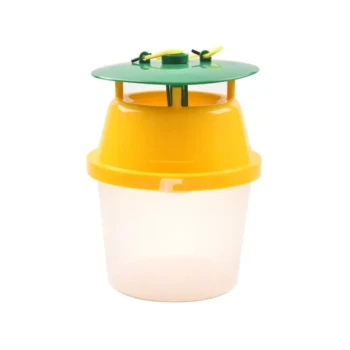
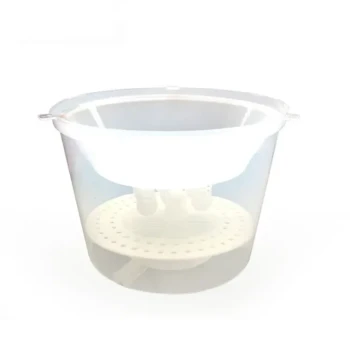
The technical superiority of synthetic attractants and adhesive traps lies in their ability to manage Varroa mites without introducing toxicity into the hive ecosystem. Unlike chemical miticides, this method relies on a physical control mechanism triggered by specific chemical cues, ensuring that the parasite is targeted without leaving harmful residues that compromise honey quality or bee health.
By shifting from chemical toxicity to physical containment, you preserve the biological integrity of the colony. This approach prioritizes long-term ecosystem stability and resistance management over the rapid, broad-spectrum knockdown typical of chemical agents.
Ecological and Biological Safety
Preserving Colony Vitality
The most significant biological advantage is the protection of the honey bee's physiology. Chemical miticides often carry side effects that can negatively impact the vitality of the bees themselves.
Protecting Reproductive Health
Adhesive traps avoid the sub-lethal effects often associated with chemical treatments. Specifically, this method maintains the queen’s egg-laying rates, ensuring the colony's population growth is not stunted during treatment.
Ensuring Product Purity
For apiarists focused on consumable products, this method offers a clear safety profile. Because the method does not rely on dispersing toxins, it eliminates the risk of toxic residues accumulating in the honey or wax.
Strategic Resistance Management
Avoiding Chemical Immunity
Over-reliance on chemical strips has led to widespread pest resilience. Because adhesive traps function as a physical control method, they do not exert the same evolutionary pressure that drives chemical resistance.
Breaking the Resistance Cycle
Varroa mites cannot easily evolve a defense against being physically stuck to an adhesive surface. This makes attractants a sustainable tool for delaying or preventing the development of resistance to conventional treatments.
Understanding the Limitations
Speed and Potency
While safer, physical traps may lack the rapid "knockdown" power of synthetic miticides. Chemical strips utilize contact-killing ingredients designed to drastically reduce populations quickly.
Handling Severe Infestations
Chemical agents remain the necessary choice when infestation levels breach critical safety thresholds. If the parasite load exceeds 20 mites per 100 bees, the immediate, high-efficiency intervention of chemical agents is required to prevent colony collapse.
Making the Right Choice for Your Goal
To maximize the health of your apiary, choose the tool that matches the current threat level of the colony.
- If your primary focus is long-term colony health and organic production: Prioritize synthetic attractants and adhesive traps to maintain queen vitality and prevent chemical residues in your honey.
- If your primary focus is saving a colony from immediate collapse: Utilize specialized chemical agents to rapidly reduce high pest densities when infestation levels are critical.
Effective management requires balancing immediate pest reduction with the long-term biological safety of the hive.
Summary Table:
| Feature | Synthetic Attractants & Adhesive Traps | Chemical Miticides |
|---|---|---|
| Mechanism | Physical containment via chemical cues | Toxic biochemical knockdown |
| Residue Risk | Zero risk to honey or wax | Potential for chemical accumulation |
| Bee Health | Preserves queen vitality and egg-laying | Potential sub-lethal physiological stress |
| Resistance | No known physical resistance development | High risk of evolved pest immunity |
| Best Use Case | Long-term stability & organic production | Emergency high-infestation knockdown |
Elevate Your Apiary Management with HONESTBEE
At HONESTBEE, we understand that commercial success in beekeeping requires a delicate balance between pest control and product purity. We provide a comprehensive wholesale offering of professional-grade beekeeping tools, specialized hive-making machinery, and essential industry consumables designed for large-scale operations and distributors.
Whether you are looking to implement sustainable Varroa management strategies or need high-efficiency honey-filling equipment, our portfolio delivers the reliability your business demands. From hardware to honey-themed cultural merchandise, we support every aspect of your commercial apiary.
Ready to scale your production and protect your colony health?
Contact HONESTBEE Today for Wholesale Solutions
References
- G. Yu. Ishmuratov, D.A. Valinurova. A NEW APPROACH TO CONTROL VARROATOSIS IN HONEY BEES USING SYNTHETICALLY PRODUCED DRONE BROOD PHEROMONE. DOI: 10.31040/2222-8349-2025-0-2-134-138
This article is also based on technical information from HonestBee Knowledge Base .
Related Products
- Removable Washable Hive Beetle Trap Attractants for Small Hive Beetles
- Oxalic Acid Vaporizer 12V for Bee Varroa Mite Treatment
- Compact Circular Bee Mite Treatment Dispenser
- Durable 12V Oxalic Acid Vaporizer for Varroa Mite Treatment Beehive Beekeeping Tool
- Adjustable Formic and Acetic Acid Dispenser for Bee Mite Treatment
People Also Ask
- How should powdered substances be used in beetle traps for hive beetle control? Expert Guide for Maximum Colony Protection
- What are the three main types of hive beetle traps? Expert Solutions for Protecting Your Bee Colonies
- What are the types of hive beetle traps available? Master Your Beetle Control Strategy
- What are the main types of hive beetle traps available? A Beekeeper's Guide to Effective Control
- What are the available chemical-free options for trapping hive beetles? Safe and Effective Pest Management Solutions