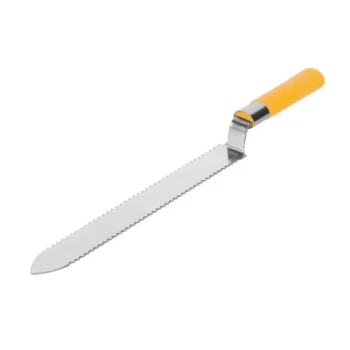
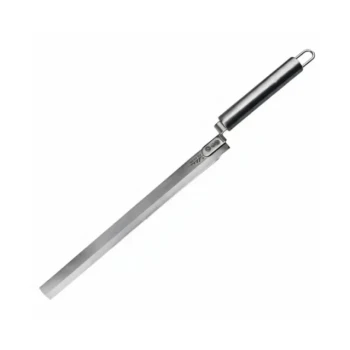
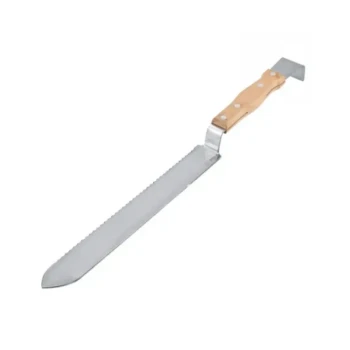
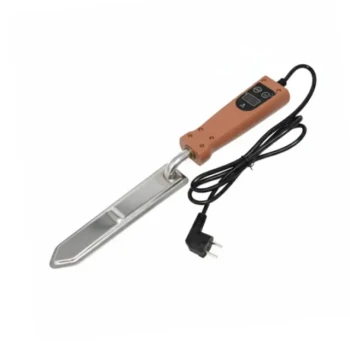
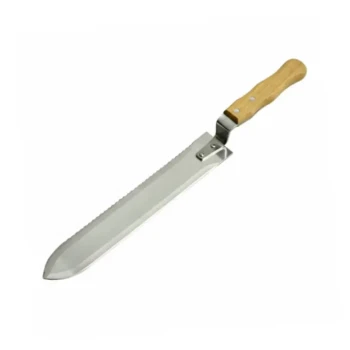
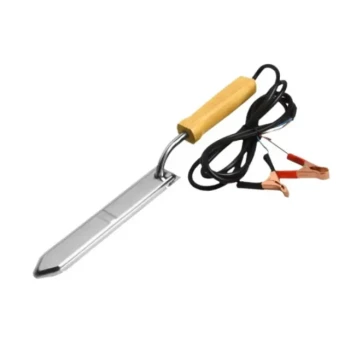
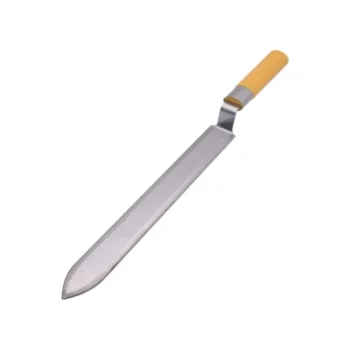
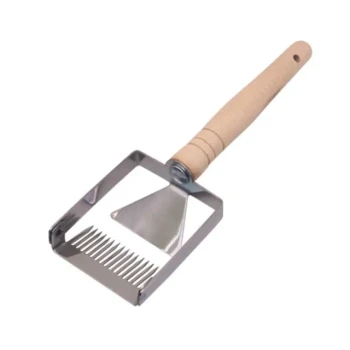
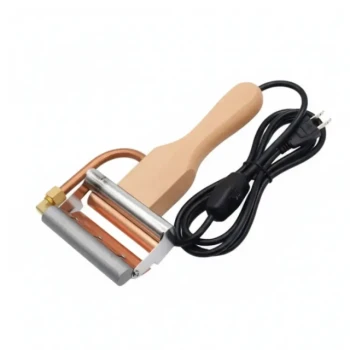
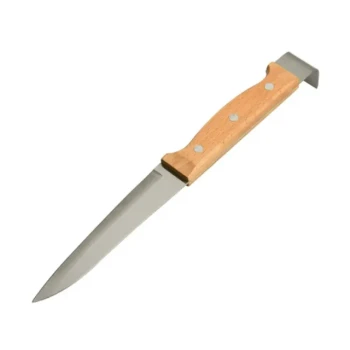
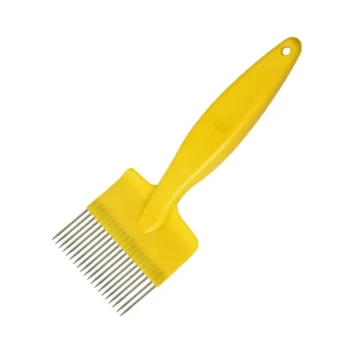
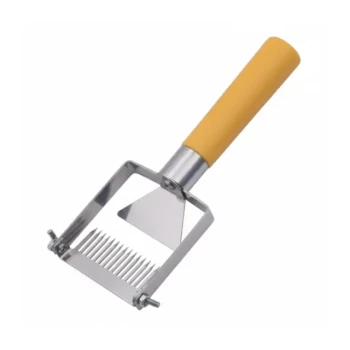
The technical requirement for recapping sampling is a knife with a sharp, serrated edge. This specific blade profile is necessary to slice through wax cappings quickly without applying the downward pressure that crushes the cell. Your objective is to remove a continuous sheet of approximately 100 worker bee cell caps while ensuring the underlying pupae remain undamaged.
The utility of the serrated knife extends beyond simple extraction; it preserves the silk cocoon structure on the underside of the cap. This structure is the critical biological evidence required to determine if a cell was previously uncapped and resealed by the bees.
The Mechanics of Extraction
The Function of Serration
The primary technical advantage of a serrated edge is its ability to create a "sawing" action. This allows the user to cut laterally through the wax and silk headers of the brood frame.
A straight-edge knife often requires downward force to initiate a cut. In contrast, the serrated knife minimizes vertical pressure, preventing the collapse of the cell walls.
Protecting the Larvae
The sampling process usually targets the pupal stage of development. The knife must glide just beneath the cap surface but above the developing bee.
By using a serrated blade, you avoid damaging the delicate larvae or pupae inside. This ensures the colony remains healthy despite the invasive sampling method.
Critical Importance for Laboratory Analysis
Preserving the Silk Cocoon
The most specific technical requirement for the tool is its ability to maintain the integrity of the silk cocoon. This is the layer found on the underside of the wax cap.
If the knife tears or shreds the cap rather than slicing it cleanly, this silk layer may be destroyed. Without an intact cocoon, the sample is useless for recapping research.
Identifying the Recapping Trait
The entire purpose of this sampling is to identify the "recapping" trait—the behavior where bees uncap a cell to inspect it and then seal it back up.
Researchers identify this by looking for specific disturbances or holes in the silk cocoon under the cap. A clean cut from a serrated knife ensures that any hole found in the silk is natural biological evidence, not an artifact of the sampling tool.
Common Pitfalls to Avoid
The Risk of Blunt Force
Using a dull or non-serrated knife acts as a blunt instrument. This often forces the user to press harder to break the wax seal.
This results in crushed caps and damaged pupae. More importantly, it can mat the silk cocoon against the wax, obscuring the evidence of recapping.
Sample Size Consistency
The reference standard for this sampling is approximately 100 worker cells.
Using a knife that is too small or difficult to control makes obtaining a consistent, single-sheet sample of this size difficult. Inconsistent fragmentation of the sample can complicate the counting process in the laboratory.
Making the Right Choice for Your Research
To ensure your data is valid and your colony impact is minimized, apply the following guidelines:
- If your primary focus is Lab Data Accuracy: Prioritize a knife that is sharp enough to leave the silk cocoon attached to the wax cap without shredding.
- If your primary focus is Colony Health: Ensure you rely entirely on the lateral sawing motion of the serrations to avoid crushing the pupae beneath the caps.
The precision of your cut directly correlates to the reliability of your recapping data.
Summary Table:
| Technical Requirement | Importance in Recapping Research | Impact on Sample Integrity |
|---|---|---|
| Serrated Edge | Enables lateral sawing action to slice wax without downward pressure. | Prevents cell wall collapse and pupae damage. |
| Sharpness | Ensures clean cuts through dense wax and delicate silk layers. | Maintains intact silk cocoons for laboratory analysis. |
| Pressure Control | Minimizes vertical force during the extraction process. | Protects the developing larvae and colony health. |
| Sample Size | Ability to remove ~100 continuous worker bee cell caps. | Facilitates consistent and reliable data counting. |
Maximize Your Research Precision with HONESTBEE
At HONESTBEE, we understand that reliable data in honeybee research starts with the right tools. Whether you are a commercial apiary monitoring colony health or a distributor supplying the next generation of researchers, our comprehensive wholesale portfolio has you covered.
We provide everything from specialized hardware and hive-making machinery to the precise beekeeping tools and consumables required for delicate procedures like trait sampling. Partner with us to access high-quality equipment that ensures your samples—and your colonies—remain in peak condition.
Ready to upgrade your apiary's efficiency? Contact HONESTBEE today for specialized wholesale solutions!
References
- Matthieu Guichard, Benjamin Dainat. Exploring Two Honey Bee Traits for Improving Resistance Against Varroa destructor: Development and Genetic Evaluation. DOI: 10.3390/insects12030216
This article is also based on technical information from HonestBee Knowledge Base .
Related Products
- Serrated Honey Uncapping Knife for Beekeeping and Bee Hive Maintenance
- Professional Serrated Double-Sided Uncapping Knife for Beekeeping
- Professional All-Stainless Steel Uncapping Knife for Beekeeping
- Professional Z-Shaped Multi-Function Uncapping Knife for Beekeeping
- Digital Display Electric Honey Uncapping Knife for Beekeeping and Decapping
People Also Ask
- What is the benefit of the serrated edge on an uncapping knife? Unlock Faster, Cleaner Honey Extraction
- What specialized tools are used for uncapping and straining honey? Professional Gear for Efficient Harvesting
- What are the technical advantages of using specialized honey uncapping knives? Optimize Purity and Comb Reusability
- What specific structure does a professional honey uncapping knife target? Maximize Your Mature Honey Yield
- How do you cut capping off honey from frames? A Guide to Efficient Uncapping Methods