The three popular types of bee feeders designed to supplement a hive's food supply are inside the hive feeders, top feeders, and entrance feeders. While the goal of every feeder is to provide syrup when natural nectar is scarce, each type interacts differently with the hive structure and offers unique levels of accessibility for the beekeeper.
Core Takeaway The ideal feeder choice balances the colony's need for security with the beekeeper's need for convenience. While entrance feeders allow for easy monitoring without disturbance, inside and top feeders generally offer larger capacities and better protection from the elements.
Understanding the Three Main Categories
To select the right equipment, you must understand the mechanics and placement of these three distinct feeder styles.
Entrance (Front) Feeders
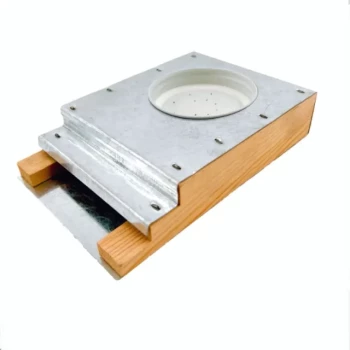
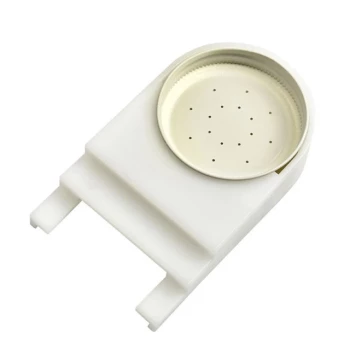
These devices are designed for external accessibility. A base slides directly into the hive's entrance, leaving the feed container exposed on the outside.
Typically, this system uses an inverted jar with small holes in the lid. This gravity-based design allows syrup to drip down as bees consume it, while the external position allows you to check food levels at a glance.
Inside the Hive (Frame) Feeders
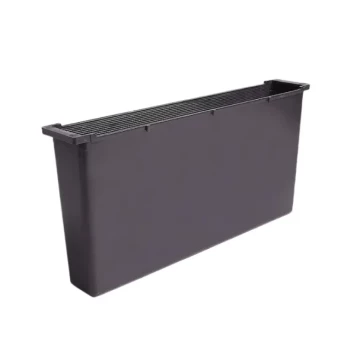
As the name suggests, these feeders sit internally within the hive body. They are often referred to as frame feeders because they are designed to replace one or two standard frames of honeycomb.
Because they reside deep inside the colony, they place the food source closest to the cluster. This keeps the syrup warmer and more accessible to the bees during cooler weather compared to external options.
Top Feeders
Top feeders are placed directly on top of the hive's inner cover but underneath the main outer lid. They are generally favored for their ability to hold large volumes of syrup.
These come in two common configurations: an exposed feeder where syrup rests in a reservoir with a large surface area, or an inverted pail (gravity) feeder. In the pail method, a container is placed upside down over the inner cover hole, allowing bees to feed through a mesh opening.
Analyzing the Trade-offs
Every feeder type introduces specific compromises regarding ease of use, hive capacity, and disturbance levels.
Monitoring vs. Disturbance
Entrance feeders offer the highest level of convenience for the beekeeper. You can monitor syrup levels and refill the jar without ever opening the hive or disturbing the colony.
Conversely, frame feeders require you to open the hive and remove the inner cover to check levels or refill syrup. This creates significant disturbance, which can be detrimental during colder weather or periods of agitation.
Space and Capacity
Top feeders generally offer the highest capacity. They are excellent for heavy feeding in the fall because they can hold gallons of syrup at once, reducing the number of trips you need to make to the apiary.
Frame feeders introduce a structural trade-off. Because they replace actual frames, you sacrifice comb space that the queen could use for laying eggs or the colony could use for food storage.
Making the Right Choice for Your Goal
Selecting a feeder is rarely a "one-size-fits-all" decision; it depends on the season and your specific management style.
- If your primary focus is quick monitoring: Choose an entrance feeder, as it allows you to check food levels instantly without opening the hive.
- If your primary focus is high-volume feeding: Choose a top feeder, particularly the inverted pail or reservoir style, to maximize the amount of syrup provided at one time.
- If your primary focus is security and warmth: Choose an inside (frame) feeder to keep the food source close to the cluster and protected from potential robbers outside the hive.
The right feeder turns a struggling colony into a thriving one by delivering nutrition exactly where and when the bees need it most.
Summary Table:
| Feeder Type | Placement | Capacity | Main Advantage | Best For |
|---|---|---|---|---|
| Entrance Feeder | Hive Entrance | Low | Easy monitoring without opening hive | Quick checks & beginners |
| Frame Feeder | Inside Hive | Medium | Stays warm; close to the bee cluster | Cold weather & hive security |
| Top Feeder | Above Inner Cover | High | Large volume; less frequent refills | Fall feeding & high-volume needs |
Scale Your Beekeeping Business with HONESTBEE
Are you looking to optimize your apiary or expand your distribution? HONESTBEE is your dedicated partner in the beekeeping industry. We provide a comprehensive range of professional-grade beekeeping tools, machinery, and essential consumables tailored for commercial apiaries and wholesale distributors.
From high-capacity honey-filling machines to specialized hive-making hardware and honey-themed cultural merchandise, we deliver the quality and reliability you need to thrive. Let us help you streamline your operations and provide your customers with the best equipment available.
Ready to upgrade your supply chain? Contact us today to explore our wholesale offerings and discover how we can grow your business together!
Related Products
- Rapid Bee Feeder White Plastic 2L Round Top Feeder for 8 or 10-Frame Bee Hives
- HONESTBEE Entrance Bee Feeder Professional Hive Nutrition Solution for Beekeeping
- White Plastic 0.5L Beekeeping Entrance Feeder for Bees
- HONESTBEE Entrance Bee Feeder Efficient Hive Front Liquid Feeding Solution for Beekeeping
- HONESTBEE Professional Entrance Bee Feeder Hive Nutrition Solution
People Also Ask
- What should be done with feeders and equipment after feeding bees? Essential Steps for Apiary Health
- What should be done if feed in a feeder is not consumed by the bees? Prevent Hive Mold with Prompt Feed Management
- What is the necessity of specialized internal or entrance feeders? Secure Your Hive with Professional Feeding Tools
- How do bee feeders work to preserve colony health during nectar shortages? Essential Guide for Beekeepers
- How quickly does a medium to strong colony usually empty a feeder? A Beekeeper's Guide to Hive Health