A high-quality queen bee is defined by distinct physical metrics and reproductive capacity. Specifically, superior queens are heavier, possess a larger thorax indicating strong flight muscles, and contain a higher number of ovarioles. These biological traits directly facilitate higher egg production rates and increased brood volume, which are the fundamental drivers of a populous and productive colony.
The physical vitality of the queen dictates the biological momentum of the entire hive; a heavier, larger queen lays more eggs, creating the dense workforce required for maximum colony productivity.
Physical Indicators of Quality
Weight and Robustness
The most reliable physical indicator of a queen's potential is her weight. Heavier queens consistently outperform lighter counterparts in reproductive tasks.
Thorax Size
A larger thorax is a critical visual trait. This suggests well-developed flight muscles, which correlates with overall physical robustness and mating success.
Ovariole Count
Internally, high-quality queens possess a greater number of ovarioles. These are the egg-producing tubes within the ovaries that determine the physiological ceiling of her daily egg-laying capacity.
Reproductive Performance
Egg Laying Rate
The physical traits mentioned above manifest in the hive as a superior egg-laying rate. A high-quality queen can sustain a pace that rapidly expands the colony's population.
Brood Production
The ultimate measure of quality is the volume of brood produced. A prolific queen creates a dense, solid brood pattern, ensuring a continuous supply of new workers to replace dying bees and forage for resources.
The Role of Age and Pheromones
Pheromone Potency
Younger, high-quality queens produce stronger pheromones. This chemical signaling is essential for maintaining colony cohesion and suppressing the workers' urge to build swarm cells.
Resilience and Stability
Colonies headed by vigorous, high-pheromone queens are less prone to swarming. They also exhibit greater resilience, making the hive less susceptible to environmental stressors.
The Challenge of Verification
The Risk of Unnoticed Replacement
Visual inspection alone cannot tell you a queen's age or genetic lineage. A colony may supersede (replace) a high-quality queen with a daughter of unknown quality without the beekeeper noticing.
The Necessity of Marking
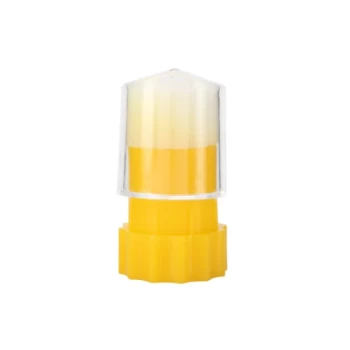
To verify quality over time, the queen must be marked. A mark on the thorax creates a distinct identity, allowing you to confirm that the queen currently laying eggs is indeed the high-quality stock you introduced.
Interpretation of Markings
If you find an unmarked queen in a hive that previously held a marked one, the original queen has likely been superseded or the colony has swarmed. This signals a potential drop in quality that requires immediate assessment.
Making the Right Choice for Your Goal
When evaluating your hive, use these indicators to determine if your queen is performing at an optimal level or requires replacement.
- If your primary focus is rapid population growth: Prioritize queens with a large thorax and heavy body weight, as these physically correlate to maximum brood production.
- If your primary focus is swarm management: Select and maintain young queens, as their potent pheromone production naturally suppresses the colony's impulse to swarm.
- If your primary focus is long-term genetic tracking: Implement a strict marking system to differentiate your proven stock from supersedure queens of unknown quality.
A high-quality queen is not just the mother of the hive; she is the biological engine that powers its survival and success.
Summary Table:
| Quality Indicator | Specific Characteristic | Impact on Colony Performance |
|---|---|---|
| Physical Weight | Heavier body mass | Higher reproductive potential and vitality |
| Thorax Size | Large, robust thorax | Well-developed muscles for mating and robustness |
| Ovariole Count | High internal tube count | Increased daily egg-laying capacity |
| Brood Pattern | Dense, solid, and uniform | Rapid population growth and workforce stability |
| Pheromones | High potency (Younger queens) | Stronger colony cohesion and swarm suppression |
Maximize Your Colony Potential with HONESTBEE
At HONESTBEE, we understand that the queen is the engine of your apiary's success. Whether you are a commercial apiary scaling production or a distributor serving local beekeepers, we provide the specialized equipment and consumables needed to manage and maintain high-quality stock. From precision queen-marking tools and protective gear to industrial honey-filling machines and hive-making hardware, our comprehensive wholesale catalog is designed to drive your efficiency.
Ready to elevate your beekeeping operation? Contact us today to explore our full spectrum of professional beekeeping machinery and essential supplies tailored for industry success.
Related Products
- Durable Galvanized Steel Spring Queen Bee Cage
- Portable Queen Bee Incubator with 12V Car Adapter for Safe Transport
- Professional Queen Bee Introduction and Transport Cage
- Heavy Duty Stainless Steel Queen Bee Catcher Clip
- Queen Bee Catcher Plastic Bee Marker Bottle with Piston Marking Tube
People Also Ask
- Why are specialized queen bee cages used for the banking of mated queen bees? Maximize Commercial Apiary Storage Efficiency
- What is the mechanism of action for using temporary queen bee cages? Master Successful Queen Introduction
- What is the step-by-step process for installing a queen bee's cage onto a frame? Ensure Hive Acceptance Safely
- What is the optimal placement for a queen bee cage? Essential Strategies for Successful Re-queening
- What are the advantages and disadvantages of introducing a queen bee by embedding the cage? Boost Your Queen Acceptance