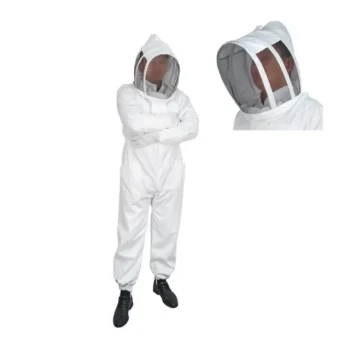
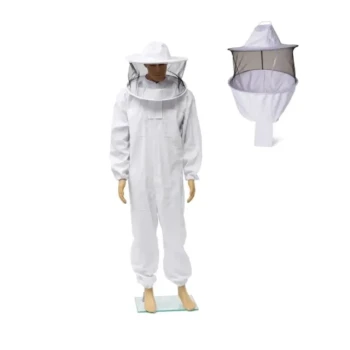
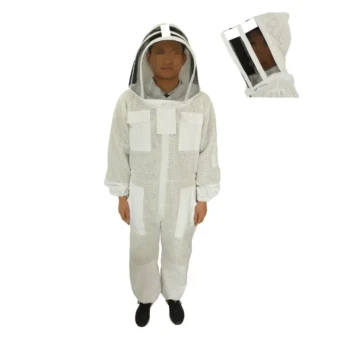
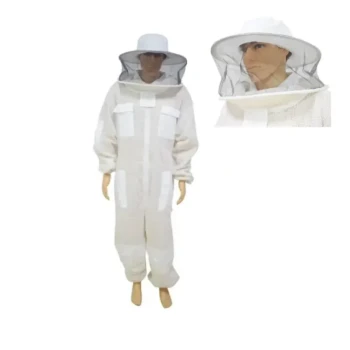
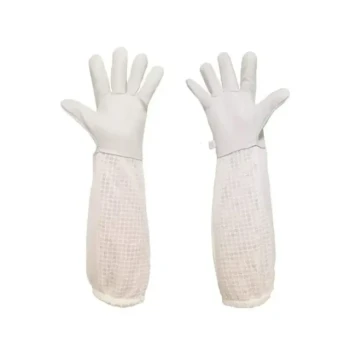
Beekeeping clothing should be washed based on specific conditions rather than a strict calendar schedule. You should wash your gear primarily when it becomes visibly soiled or immediately following an inspection where the bees were aggressive. Washing the suit after every single use is generally unnecessary and can accelerate fabric degradation.
Core Takeaway While basic hygiene requires cleaning your gear at least once or twice a season, the most critical trigger for an immediate wash is safety. If your suit carries alarm pheromones from stingers or aggressive bee behavior, it must be cleaned to prevent triggering defensive attacks in future inspections.
Triggers for Immediate Washing
The Invisible Threat: Alarm Pheromones
The most urgent reason to wash your suit is not dirt, but chemical signaling. When bees sting your clothing or act aggressively, they deposit alarm pheromones on the fabric.
These pheromones act as a target marker. If you wear an unwashed suit marked with these scents to your next inspection, the bees may immediately perceive you as a threat.
You must wash the gear immediately if you have received many stings or noticed heavy defensive behavior during your last visit.
Visible Contamination
Aside from safety concerns, standard hygiene dictates washing when the suit is visibly dirty.
This includes stains from mud, grass, or sweat accumulated during hot days in the apiary.
It also includes residue from the hive itself, such as propolis, wax, or honey spills, which can stiffen the fabric and attract pests.
Understanding the Trade-offs: Hygiene vs. Durability
The Risk of Over-Washing
It is vital to resist the urge to wash your suit too frequently. As noted in the primary guidelines, over-washing accelerates wear and tear.
Protective gear relies on the structural integrity of the fabric and the mesh of the veil to prevent stings. Frequent agitation in a washing machine can thin the material and damage delicate veil screens.
Avoid washing the suit after every routine inspection if the bees were calm and the suit remains relatively clean.
Minimum Maintenance Standards
If you are lucky enough to have calm bees and clean inspections, you still cannot avoid washing indefinitely.
At a minimum, you should wash your suit once or twice per season, or at least once a year.
This prevents the long-term buildup of subtle odors and ensures the gear is fresh for the start of the next season.
Making the Right Choice for Your Goal
To balance safety with equipment longevity, assess the specific situation after every hive visit.
- If your primary focus is Safety: Wash the suit immediately if you were stung or "mobbed" to neutralize alarm pheromones that trigger attacks.
- If your primary focus is Equipment Longevity: Wash the suit only when it is visibly stained or smells offensive to minimize fabric degradation.
- If your primary focus is Routine Maintenance: Commit to a deep clean at least once or twice per season to prevent grime buildup.
Treat your protective gear as a tool that requires specific care, washing it when the context demands it rather than out of habit.
Summary Table:
| Criteria for Washing | Reason for Action | Recommended Frequency |
|---|---|---|
| Alarm Pheromones | Prevents future defensive bee attacks | Immediately after aggressive inspections |
| Visible Contamination | Removes mud, sweat, wax, and propolis | As needed based on soil level |
| Routine Maintenance | Ensures basic hygiene and freshness | 1-2 times per beekeeping season |
| Fabric Integrity | Prevents premature wear and tear | Minimize washing if suit is clean/calm |
Elevate Your Apiary Operations with HONESTBEE
Maintaining your gear is just one part of a successful beekeeping business. At HONESTBEE, we specialize in supporting commercial apiaries and distributors with high-performance solutions designed for durability and efficiency.
Why partner with us?
- Comprehensive Wholesale Supply: Access a full spectrum of beekeeping tools, protective clothing, and essential consumables.
- Advanced Machinery: From precision hive-making to high-speed honey-filling machines, we provide the hardware you need to scale.
- Brand Growth: Expand your reach with our unique honey-themed cultural merchandise and specialized equipment.
Ready to upgrade your equipment or restock your inventory with industry-leading quality? Contact HONESTBEE today to discuss our wholesale offerings and how we can support your growth!
Related Products
- White Cotton Beekeeping Jacket and Veil for Bee Keepers
- Beekeeping Jacket with Hood and Veil for Beekeepers
- Premium Cotton Beekeeper Suit with Reinforced Fencing Veil
- Professional Cotton Beekeeper Suit with Round Veil Design for Commercial Apiaries
- Economy Polyester Beekeeping Jacket with Veil and Hat
People Also Ask
- What are the features of an economical beekeeping jacket? Essential Protection for Budget-Conscious Beekeepers
- What are the pros of using a beekeeping jacket? Unlock Superior Comfort and Mobility for Your Apiary
- What factors should a new beekeeper consider when choosing between a jacket and a full suit? Security vs. Comfort
- What are the advantages of a beekeeping jacket? Superior Mobility & Comfort for Routine Hive Inspections
- When is a beekeeping jacket considered a more suitable choice than a full suit? Optimize Your Apiary Mobility