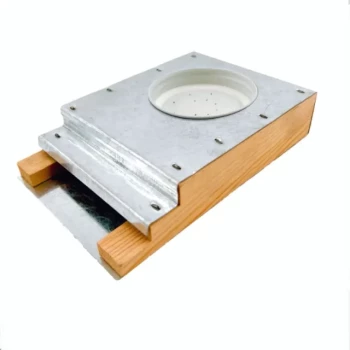
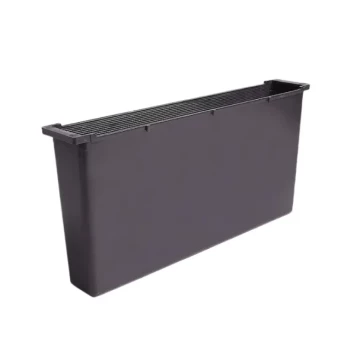
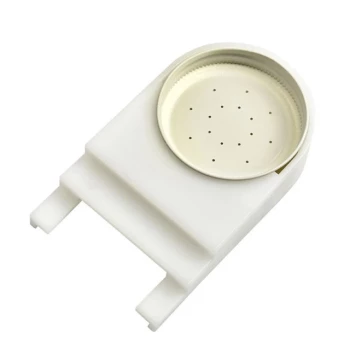
The feeding rate is determined primarily by access surface area. The speed at which a colony consumes syrup is dictated almost entirely by the number of bees that can physically reach the liquid at the same time. Feeders designed with a larger circumference or longer troughs—such as the hive-sized Miller or Ashforth types—enable significantly faster uptake than smaller alternatives.
The limit on feeding speed is not the volume of syrup available, but the "feeding front"—the total physical space available for bees to stand and drink simultaneously without overcrowding.
The Mechanics of Access
To control the rate of intake, you must look at the geometry of the feeder rather than just its volume.
The "Feeding Front" Principle
The primary bottleneck in feeding is congestion.
If the interface between the bees and the syrup is narrow, the colony is forced to feed in a "single file" manner.
This throttles the intake rate, regardless of how large or active the colony is.
Geometry and Dimensions
Feeders that utilize the full dimensions of the hive box offer the highest efficiency.
Types like the Miller or Ashforth provide long, continuous troughs or wide perimeters.
This extended length maximizes the number of bees that can gain access at any one moment, allowing for rapid resource storage.
Accessibility and Bee Movement
While surface area is the primary driver, the physical design of the bee's path also impacts speed.
Ease of Entry
Speed is influenced by how intuitively and quickly bees can navigate from the combs to the food source.
In high-efficiency systems, bees typically enter the feeder through an exit located directly above the hive.
This direct vertical access minimizes travel time and confusion.
Traction and Safety
Once inside the feeder, bees require secure footing to feed efficiently without falling in.
The inner walls of a well-designed feeder are textured.
This roughness allows bees to maintain a firm grasp, enabling them to climb in, drink, and climb out quickly.
Understanding the Trade-offs
While rapid feeding is often desirable, high-capacity feeders come with specific considerations.
Equipment Bulk
Feeder types that maximize surface area (like the Miller) are essentially additional hive bodies.
They are larger and more cumbersome to store than smaller, slower options like entrance feeders or jars.
Disturbance During Refilling
Because these feeders sit on top of the hive, checking levels or refilling them often requires removing the roof.
While they hold more syrup, the act of accessing them can cause more vibration and disturbance than external options.
Making the Right Choice for Your Goal
Selecting a feeder is about aligning the equipment's flow rate with your management objectives.
- If your primary focus is rapid weight gain: utilize a hive-sized feeder (Miller or Ashforth) to maximize the simultaneous headcount of feeding bees.
- If your primary focus is bee safety and efficiency: Prioritize feeders with textured interior walls to ensure bees can climb quickly and avoid drowning.
By matching the feeder's geometry to your timing needs, you turn feeding from a passive wait into a controlled management strategy.
Summary Table:
| Factor | Impact on Feeding Rate | Design Feature |
|---|---|---|
| Surface Area | Primary Driver | Large troughs (Miller/Ashforth) maximize access. |
| Entry Path | Navigation Speed | Direct vertical access from the hive cluster. |
| Wall Texture | Safety & Speed | Textured walls provide traction for fast intake. |
| Colony Size | Secondary Bottleneck | Limited by the physical space at the feeder interface. |
Scale Your Apiary Operations with HONESTBEE
At HONESTBEE, we specialize in empowering commercial apiaries and distributors with high-performance beekeeping solutions. Whether you need high-capacity feeders to ensure rapid winter weight gain or professional-grade hive-making and honey-filling machinery, our comprehensive wholesale portfolio has you covered.
Why partner with HONESTBEE?
- Full Spectrum Supply: From essential consumables to specialized hardware.
- Built for Professionals: Equipment designed for efficiency, durability, and bee safety.
- Wholesale Advantage: Competitive pricing on bulk beekeeping tools and cultural merchandise.
Ready to enhance your productivity? Contact us today to discuss your wholesale needs!
Related Products
- Rapid Bee Feeder White Plastic 2L Round Top Feeder for 8 or 10-Frame Bee Hives
- White Plastic 0.5L Beekeeping Entrance Feeder for Bees
- HONESTBEE Entrance Bee Feeder Professional Hive Nutrition Solution for Beekeeping
- HONESTBEE Professional Entrance Bee Feeder Hive Nutrition Solution
- Boardman Entrance Bee Feeder Durable Galvanized Steel and Wood Construction for Beekeeping
People Also Ask
- What should be done with feeders and equipment after feeding bees? Essential Steps for Apiary Health
- What should be done if feed in a feeder is not consumed by the bees? Prevent Hive Mold with Prompt Feed Management
- What is the necessity of specialized internal or entrance feeders? Secure Your Hive with Professional Feeding Tools
- How do bee feeders work to preserve colony health during nectar shortages? Essential Guide for Beekeepers
- How quickly does a medium to strong colony usually empty a feeder? A Beekeeper's Guide to Hive Health