The presence of wax lids covering two-thirds of the honeycomb surface is a definitive biological signal that the honey has reached optimal maturity and stability. This visual marker indicates that the bees have finished the brewing process and successfully removed enough natural moisture to prevent the honey from spoiling.
This visual benchmark acts as a critical quality control gate, ensuring the honey has reached the necessary low moisture content to remain stable and resist fermentation over time.
Interpreting the Wax Lid Indicator
Natural Completion of Brewing
Wax lids are not random; they are intentional physical markers created by the colony.
Bees only seal the honeycomb cells once the nectar has been fully processed. The presence of these lids signifies that the chemical and physical conversion from nectar to honey is complete.
Moisture Control at the Source
The most critical aspect of honey stability is water content.
When two-thirds of the frame is capped, it indicates that natural evaporation has occurred. The bees have fanned the nectar down to a specific humidity level where bacteria and yeast cannot easily survive.
The Risks of Premature Harvesting
Preventing Fermentation
Harvesting honey before it reaches this level of maturity is a significant risk.
If the honey is harvested before the two-thirds marker appears, it likely retains high moisture levels. This excess water creates an environment where yeast can thrive, leading to rapid fermentation.
Ensuring Shelf Stability
Maturity equates to longevity.
By waiting for the two-thirds indicator, apiaries ensure the product is shelf-stable. This prevents the souring and spoilage associated with "wet" or immature honey.
Understanding the Trade-offs
Variability in Capping Percentages
While two-thirds coverage is a strong indicator of maturity, environmental factors can influence this metric.
In extremely humid climates, some apiarists may wait for even higher capping percentages (such as 80%) to ensure safety. However, the two-thirds rule serves as the standard decision-making point for general maturity.
The Cost of Patience
Waiting for the bees to cap the honey requires time and reduces the frequency of harvests.
Harvesting earlier might yield a higher volume of liquid due to water weight, but it sacrifices quality. Adhering to the wax lid indicator prioritizes the integrity of the final product over speed.
Making the Right Choice for Your Goal
To ensure a high-quality harvest, use the wax lid coverage as your primary guide.
- If your primary focus is long-term preservation: Wait strictly for the two-thirds visual marker to ensure the honey is naturally preserved and shelf-stable.
- If your primary focus is preventing product loss: Avoid harvesting frames with low capping coverage, as the resulting high moisture content will likely lead to fermentation and waste.
Respecting the bees' own seal of approval is the most reliable way to guarantee premium honey.
Summary Table:
| Harvesting Marker | Biological Indication | Impact on Quality |
|---|---|---|
| Wax Lid Coverage | 2/3 of honeycomb surface sealed | Optimal maturity and low moisture content |
| Moisture Level | Reduced through bee fanning | Prevents fermentation and bacterial growth |
| Brewing Process | Chemical/physical conversion complete | Ensures shelf stability and premium flavor |
| Harvesting Risk | Harvesting < 2/3 capped cells | High risk of spoilage and product loss |
Elevate Your Apiary's Efficiency with HONESTBEE
At HONESTBEE, we understand that harvesting premium honey requires the perfect balance of biological timing and professional-grade tools. We cater specifically to commercial apiaries and distributors, offering a comprehensive wholesale range designed to maintain the integrity of your harvest.
From advanced honey-filling machines that preserve stable moisture levels to specialized hive-making machinery and essential consumables, our portfolio covers the full spectrum of modern beekeeping. Whether you are scaling your production or supplying the industry, our high-performance equipment ensures your mature honey is processed with the precision it deserves.
Ready to upgrade your commercial beekeeping operations? Contact us today for wholesale inquiries and expert solutions
References
- Milica Živkov Baloš, Dragana Ljubojević Pelić. COMPARATIVE STUDY OF WATER CONTENT IN HONEY PRODUCED IN DIFFERENT YEARS. DOI: 10.46784/e-avm.v12i1.42
This article is also based on technical information from HonestBee Knowledge Base .
Related Products
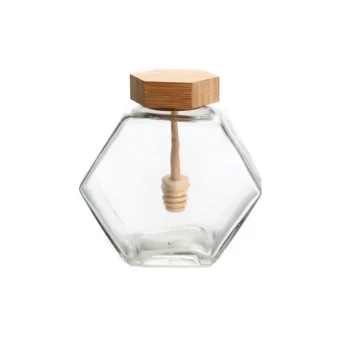
- Hexagonal Glass Honey Jar with Wooden Lid Integrated Dipper Elegant Functional Storage
- Acrylic Lid Beekeeping Honey Extractor for Beekeepers
- Stainless Steel Honey Press Wax Press with Tank
- Stainless Steel Beekeeping Honey Extractor Lid
- 3D Beehive Silicone Skep Wax Candle Molds for Candles
People Also Ask
- What are the benefits of glass jars regarding strength and safety for storing honey? Ensure Purity and Long-Term Quality
- What are the advantages of using glass jars for honey storage? Ensure Purity and Premium Appeal for Your Product
- What is the aesthetic appeal of using glass jars for honey? Elevate Your Brand with Premium Packaging
- What are the advantages of glass containers for honey? Elevate Quality and Market Value with Premium Packaging
- What are the benefits of using high-transparency Glass Jars for honey? Elevate Purity and Premium Branding