Queen acceptance depends on both the colony’s condition and its environment. The host colony must be completely queenless, with every existing queen or supersedure cell removed. Acceptance is generally higher in small colonies and nucleus hives, while season, nectar flow, worker age, nutrition, temperature, and the method of queen introduction also influence the outcome.
Core takeaway: A queen is most likely to be accepted when introduced to a genuinely queenless, well-fed, stable, small colony dominated by nurse bees. Nucleus hives create this controlled environment, allowing beekeepers to introduce, mate, and evaluate queens before transferring them to full-sized production colonies.
What Determines Queen Acceptance?
Complete queenlessness is essential
Workers may reject or kill an introduced queen if the colony still contains an old queen, an unmated virgin, or another queen capable of competing with her.
Before introduction, inspect the colony carefully and remove:
- The existing queen
- Any newly built queen cells
- Supersedure cells
- Emergency queen cells
- Any unrecognized virgin queen
A colony can appear queenless while still having a virgin queen or developing queen cells. This is one of the most common causes of failed re-queening.
Colony size affects acceptance
Small colonies generally accept new queens more readily than large, established colonies. They contain fewer older foragers and have a greater proportion of young nurse bees that respond positively to unfamiliar queen pheromones.
Large colonies can still accept queens successfully, particularly early or late in the active season or during a strong honey flow. However, they present more workers, more established colony behavior, and greater potential for rejection.
Worker age and colony composition matter
Young nurse bees are typically more receptive to a new queen’s pheromones than older foragers. A nucleus colony containing emerging brood and nurse bees therefore provides a more favorable introduction environment than a large colony dominated by older field bees.
A practical nuc should contain enough worker bees to care for the queen and brood, but remain small enough for the colony to organize around the introduced queen quickly.
Which Environmental Factors Influence Acceptance?
Season and nectar flow
Queen acceptance is often easier during periods of active colony growth and good forage availability. A heavy honey flow can improve acceptance because the colony is receiving abundant resources and is less likely to behave defensively toward a replacement queen.
In large colonies, introduction is generally more favorable early or late in the active season, or during a strong honey flow. Poor forage conditions can increase stress and make acceptance less predictable.
Food and pollen availability
A queenless colony needs adequate honey or syrup and pollen to maintain brood care and normal worker activity. Nutrition supports stable colony behavior and gives the workers the resources needed to care for a new queen and developing brood.
Specialized frame feeders can help maintain a reliable food supply in small nucs, particularly when natural forage is limited.
Temperature and insulation
Small colonies have less ability to regulate temperature than full-sized hives. Stable hive temperatures are therefore important, especially when the nuc contains capped or emerging brood.
Insulated nuc components, suitable hive placement, and protection from excessive exposure help reduce environmental stress during the introduction period.
Pheromone exposure
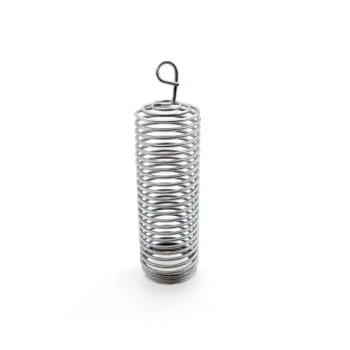
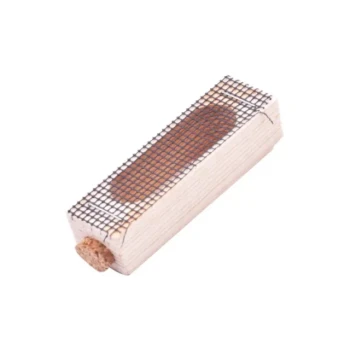
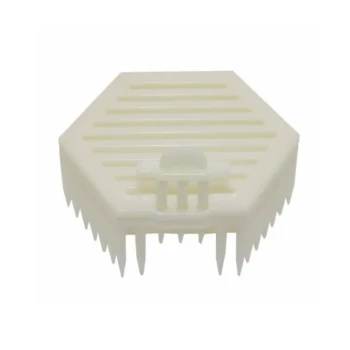
Workers need time to detect and adjust to the new queen’s pheromones. A queen introduction cage protects her from direct attack while allowing workers to contact the cage and receive her pheromone signal.
The cage should be positioned within the brood area, where workers are concentrated. In a nuc, placing it between brood frames with the escape hole angled slightly upward can provide good worker access while reducing the chance of dead attendant bees blocking the exit.
How Nucleus Hives Support Re-Queening
A nuc creates a lower-risk introduction environment
A nucleus hive is a small, standardized colony—often using four or five frames—that can be prepared specifically for queen introduction. Its limited population makes it easier to confirm queenlessness, monitor worker behavior, and identify problems quickly.
This is safer and more manageable than immediately exposing a valuable new queen to a large production colony.
The nuc can be built with the right resources
A suitable queenless nuc commonly includes:
- Frames of capped brood
- Emerging brood
- Honey and pollen
- Worker bees from a healthy donor colony
- Minimal open brood
- A feeder when necessary
- Adequate insulation and ventilation
The original queen must be excluded during preparation. Minimizing open brood also reduces the colony’s opportunity to raise another queen and helps focus worker attention on the introduced queen.
A waiting period confirms queenlessness
After assembly, allowing the nuc to remain queenless for approximately one to two days can help the workers recognize their condition before a new queen is introduced.
The nuc should then be inspected again for queen cells. Any cells produced during this interval must be removed before installing the replacement queen.
The queen can be introduced gradually
The new queen is normally placed in a protective cage rather than released immediately. This allows the workers to become familiar with her pheromones while preventing direct aggression.
Once the workers show appropriate behavior and begin releasing or feeding the queen through the cage, the queen can be released according to the introduction method being used. The colony should then be monitored for laying activity and signs of rejection.
Nucs Are Useful Beyond Initial Acceptance
They allow queens to be evaluated before installation
A queen can remain in the nuc after mating so the beekeeper can confirm that she is laying properly. This provides an opportunity to evaluate her before committing her to a full-sized production colony.
Observation can include:
- Evidence of regular egg laying
- Brood pattern development
- Worker behavior
- Colony growth
- Food consumption and general condition
They provide a controlled mating unit
A nucleus hive can be established early in the season for mating one queen or, when managed appropriately, for mating several queens during the season. This makes nucs useful for queen-rearing programs and genetic management.
The small colony also provides a practical way to hold a mated queen temporarily until a production colony requires re-queening.
They simplify colony replacement and expansion
A proven queen in a nuc can serve as a standby replacement for an aging, failing, or otherwise unsuitable queen. The nuc can later be merged into a full-sized hive once the queen’s performance has been verified.
Nucs also provide a transitional environment for colony expansion, swarm capture, and early colony development before transfer to standard hive equipment.
Understanding the Trade-offs
A nuc is easier to manage but less forgiving
Small colonies make queen acceptance easier to observe, but they are more vulnerable to temperature fluctuations, starvation, pests, and population loss. They require closer inspection and reliable feeding than established production colonies.
Insulation, appropriate feeders, and efficient handling equipment are therefore operational necessities rather than optional accessories.
Waiting too long can create competing queen cells
Allowing a nuc to remain queenless can improve awareness of queenlessness, but it also gives workers time to build emergency queen cells. The beekeeper must remove those cells before introducing the new queen.
A second inspection is essential because missed cells can undermine an otherwise correct introduction.
Larger colonies may still be appropriate
Introducing directly into a large colony can save time and equipment when conditions are favorable. It may work well during a strong nectar flow or at suitable points in the active season.
However, the method carries greater rejection risk and makes it more difficult to confirm queenlessness, control worker interactions, and diagnose failure quickly.
Queen quality also influences results
The queen’s reproductive status and pheromone development affect worker response. Mated queens are generally more suitable for direct colony replacement than virgin queens, while virgin queens are often better handled in a dedicated mating nuc.
Protective cages reduce immediate aggression, but they cannot compensate for an unsuitable colony condition or a missed competing queen.
How to Apply This to Your Re-Queening Program
A reliable re-queening system combines biological preparation with standardized equipment and disciplined inspection.
- If your primary focus is maximum queen acceptance: Use a small, completely queenless nuc containing nurse bees, capped or emerging brood, food stores, and suitable insulation before transferring the proven queen to a production colony.
- If your primary focus is commercial queen evaluation: Keep newly mated queens in standardized nucs long enough to verify laying performance and colony development before selling, distributing, or installing them.
- If your primary focus is rapid replacement: Maintain prepared nucs, queen cages, feeders, and compatible hive components so an aging or failing production queen can be replaced without delay.
- If your primary focus is direct introduction into large colonies: Choose favorable seasonal or honey-flow conditions, remove every queen cell, and use a protective cage while workers adjust to the new queen’s pheromones.
A well-prepared nucleus hive turns re-queening from a high-risk event into a controlled, observable, and repeatable management process.
Summary Table:
| Factor | Impact on Queen Acceptance | How Nucs Help |
|---|---|---|
| Complete queenlessness | Essential; presence of any competing queen leads to rejection | Nucs can be easily inspected and maintained queenless |
| Colony size | Smaller colonies accept queens more readily | Nucs are small, controlled populations |
| Worker age | Nurse bees are more receptive than older foragers | Nucs contain a high proportion of nurse bees |
| Season & nectar flow | Acceptance easier during active growth and honey flow | Can be managed with feeding and timing |
| Food availability | Adequate honey/pollen reduces stress | Feeders can be added to nucs |
| Temperature stability | Stable temperatures are crucial for small colonies | Insulation and protected placement ensure stability |
| Pheromone exposure | Workers need time to adapt to new queen's pheromones | Queen cage allows gradual exposure |
Ready to master your re-queening process? At HONESTBEE, we specialize in supplying commercial apiaries and distributors with comprehensive beekeeping solutions—from nucleus hives and queen cages to insulated nuc components and specialized feeders. Our one-stop sourcing capabilities ensure you get premium equipment quickly, with dedicated support and fast delivery. Contact us today to enhance your queen acceptance rates and streamline your apiary operations. Get in touch now!
Related Products
- Automatic Heat Preservation 6 Frame Pro Nuc Box for Honey Bee Queen Mating
- Portable Bee Mating Hive Boxes Mini Mating Nucs 8 Frames for Queen Rearing
- Professional Wooden Requeening Frame for Beekeeping
- Durable Galvanized Steel Spring Queen Bee Cage
- 5 Frame Wooden Nuc Box for Beekeeping
People Also Ask
- What are the options for adding frames to a nuc after taking two frames from the parent colony?
- How are nuc boxes used in queen rearing? The Essential Tool for Reliable Queen Mating
- What steps are involved in transferring frames from the nuc box to the hive? A Guide for a Smooth, Low-Stress Colony Move
- What is the process for managing a new bee colony started in a nuc box? Expert Tips for Hive Success
- How long can bees be kept in a nuc box? Expert Timeline for Hive Transfer