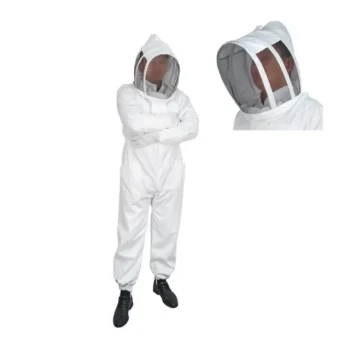
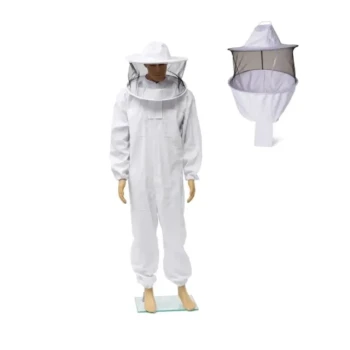
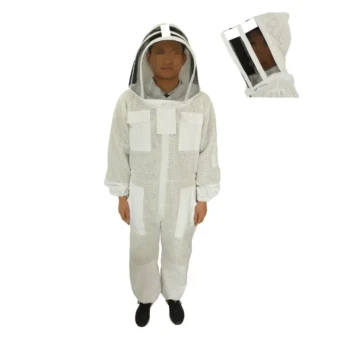
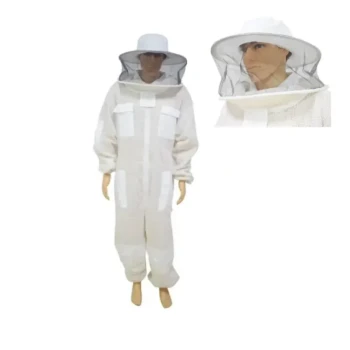
Effective beekeeping suits require a fabric that strictly balances density with breathability. To ensure safety and endurance, the material must be robust enough to prevent stinger penetration yet lightweight enough to minimize physical fatigue during long apiary sessions.
The ideal suit utilizes a dense weave or multi-layered construction to create a physical barrier against stings while permitting airflow to regulate body temperature, preventing the common danger of heat exhaustion.
Core Material Properties
Density and Sting Resistance
The primary function of the fabric is to create an impenetrable barrier. The material must be dense enough that a bee's stinger cannot reach the wearer's skin.
If the weave is too loose or the fabric is too thin, the suit fails its primary safety objective.
Breathability and Airflow
Beekeeping is often performed in warm weather, making heat management critical. The fabric must be breathable to allow heat to escape and air to circulate.
Fabrics that trap heat can lead to rapid operator fatigue and dangerous overheating during extended use.
Weight and Fatigue Management
High-quality suits prioritize lightweight materials without sacrificing protection.
Heavy fabrics increase physical strain, which can lead to mistakes or accidents when handling hives.
Material Composition and Layering
Common Fiber Types
Effective suits are typically manufactured from durable materials such as cotton, polyester, or specific blends.
These materials offer a baseline of reliability, balancing durability with the ability to be laundered.
Triple-Layer Technology
For maximum protection and comfort, superior suits often employ triple-layer fabric.
This construction increases the distance between the bee and the skin—often exceeding the length of a stinger—while maintaining better airflow than a single layer of thick canvas.
Veil Mesh Characteristics
The fabric used for the veil requires specific properties distinct from the body of the suit. It must be non-flammable to resist sparks from the smoker and offer clear visibility.
A high-quality veil is usually removable, whereas a non-removable veil often indicates a lower-quality garment.
Structural Integrity and Reinforcement
Seal Security
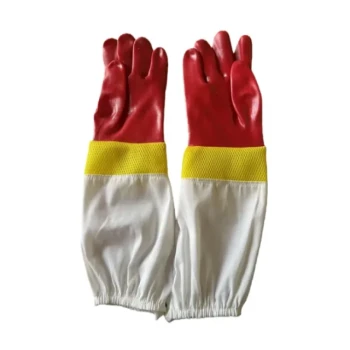
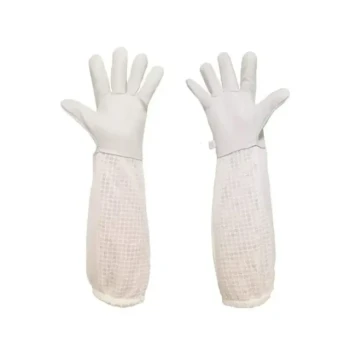
The fabric's effectiveness relies on how it is secured at openings. Elasticized cuffs and ankles are mandatory to create a seal that prevents bees from crawling under the fabric.
Reinforced Stitching
The fabric must be joined with reinforced stitching to withstand the physical demands of beekeeping.
Points of high stress, such as zipper tracks and pockets, require robust attachment to prevent tears that could allow bees to enter.
Zipper Overlaps
Fabric flaps should overlap zippers at critical junctions, such as the chest and veil connection.
This creates a "sting-proof seal" covering the teeth of the zipper, which is a common weak point in cheaper designs.
Understanding the Trade-offs
Durability vs. Sunlight Sensitivity
While fabrics must be robust, they are susceptible to environmental degradation. You must dry suits in the shade, as harsh sunlight can damage the fibers over time.
Maintenance vs. Convenience
Protective fabrics require specific care to maintain their integrity. They generally require mild detergents and should not be subjected to aggressive washing cycles that could degrade the mesh or coating.
Making the Right Choice for Your Goal
To select the best suit, assess your specific environment and experience level:
- If your primary focus is maximum safety and comfort in heat: Prioritize triple-layer fabrics that offer a depth barrier against stingers while maximizing airflow.
- If your primary focus is durability and longevity: Look for suits with reinforced stitching and high-quality hardware (zippers/pull rings), and commit to shade-drying the fabric.
- If your primary focus is ease of use: Ensure the suit features extra-long leg zippers to allow dressing without removing footwear, and a removable veil for easier maintenance.
The most effective suit is one that provides confidence through protection while remaining comfortable enough to wear for the duration of your work.
Summary Table:
| Feature | Key Characteristic | Benefit to Beekeeper |
|---|---|---|
| Material Weight | Lightweight & Robust | Reduces fatigue during long sessions |
| Sting Protection | Triple-Layer / Dense Weave | Creates a barrier exceeding stinger length |
| Airflow | High Breathability | Prevents heat exhaustion in warm weather |
| Durability | Reinforced Stitching | Long-lasting use under physical stress |
| Visibility | Non-flammable Mesh | Clear sightlines and safety from smoker sparks |
| Seal Security | Elasticized Cuffs/Overlaps | Prevents bees from crawling inside the suit |
Elevate Your Apiary Standards with HONESTBEE
At HONESTBEE, we understand that the right fabric is the foundation of beekeeping safety. We cater to commercial apiaries and distributors with a comprehensive wholesale offering designed for professional performance.
Our value to your business:
- Full Spectrum Supply: From triple-layered protective suits to honey-filling machines and specialized hive-making hardware.
- Premium Consumables: A wide array of essential industry supplies to keep your operations running smoothly.
- Cultural Merchandise: Expand your brand with our unique honey-themed cultural products.
Ready to equip your team or stock your shelves with industry-leading beekeeping equipment? Contact us today to discuss our wholesale solutions and see how HONESTBEE can support your growth.
Related Products
- Premium Cotton Beekeeper Suit with Reinforced Fencing Veil
- Professional Cotton Beekeeper Suit with Round Veil Design for Commercial Apiaries
- Professional Beekeeper Suit with Square Folding Cotton Veil
- White Cotton Beekeeping Jacket and Veil for Bee Keepers
- Vented Beekeeping Jacket with Hood and Veil for Beekeepers
People Also Ask
- What material and design specifications are recommended for a high-quality beekeeper suit? Top Gear Selection Guide
- How to Pre-treat Propolis Stains on Beekeeping Suits? Master Advanced Fabric Care and Soil Removal
- What features should be considered for sting protection in a beekeeping suit? Ensure Total Safety and Comfort
- What are the differences between full suits and jackets with veils in beekeeping? Choose Your Best Protection
- What features should be looked for in a beekeeping suit for maximum comfort? Prioritize Ventilation and Fit