Selecting the optimal honey packaging material requires a strategic assessment of your specific operational resources and market goals. Rather than looking for a single "best" material, manufacturers must evaluate which formats—such as sachets, pouches, or jars—best align with their production capabilities and consumer demands.
The ideal packaging strategy diversifies formats to meet varied consumer needs while ensuring the chosen materials are compatible with high-speed, hygiene-focused filling machinery.
Strategic Alignment with Market Needs
Catering to Consumer Preferences
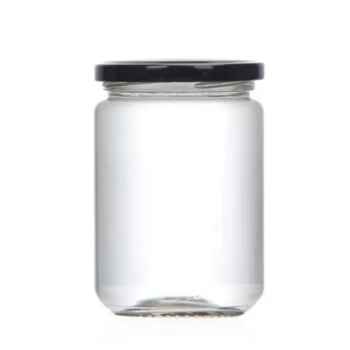
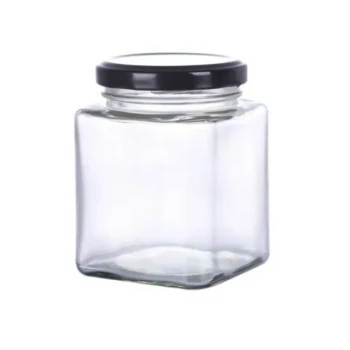
A "one-size-fits-all" approach is rarely effective in the honey market. Manufacturers should consider offering products in various formats, including sachets, pouches, and jars.
By diversifying packaging types, you can address different consumer behaviors, such as on-the-go usage versus bulk home storage.
Assessing Available Resources
The choice of material must depend on your specific requirements and available resources.
You must determine if your current supply chain and budget support the logistical requirements of rigid packaging (like glass jars) or flexible options (like pouches).
Operational Factors Influencing Material Choice
Production Speed and Efficiency
The packaging material selected impacts the speed of production. While a basic setup may fill one container at a time, automatic packing machines can process hundreds of units per hour.
If high throughput is the goal, select materials compatible with multi-lane capabilities. This allows for simultaneous packaging, significantly reducing production costs and time.
Handling Viscosity and Flow
Honey is a viscous substance, and your packaging choice must accommodate the machinery required to move it.
The packaging opening and shape must work seamlessly with features like heated filling nozzles or piston fillers. These technologies ensure the honey flows smoothly without clogging, which is critical for consistent fill levels.
Common Pitfalls to Avoid
Neglecting Anti-Drip Requirements
Honey's stickiness makes clean filling difficult. If your packaging design does not account for precise filling mechanisms, you risk significant product waste.
Ensure the material format is compatible with machines offering anti-drip features to prevent spillage on the container exterior, which can ruin shelf appeal.
Overlooking Maintenance and Hygiene
Honey residue can lead to contamination if not managed properly. The complexity of the packaging format should not hinder equipment cleaning.
Prioritize formats that allow for the use of machines with easy-to-remove parts. Quick and efficient cleaning is vital to prevent residues from previous batches from contaminating new product.
Making the Right Choice for Your Goal
To select the best packaging path, identify your primary manufacturing objective:
- If your primary focus is Market Penetration: Prioritize a mix of formats (sachets, pouches, and jars) to cater to the widest range of consumer needs and preferences.
- If your primary focus is Operational Efficiency: Select packaging materials compatible with automatic, multi-lane machines that feature anti-drip systems and easy-clean components to maximize speed and minimize downtime.
Choose the material that balances consumer appeal with the practical realities of handling a viscous, sticky product.
Summary Table:
| Factor | Key Considerations | Impact on Production |
|---|---|---|
| Material Format | Sachets, pouches, or jars | Market reach & consumer convenience |
| Machine Compatibility | Multi-lane capability | Production speed & throughput efficiency |
| Viscosity Handling | Heated nozzles & piston fillers | Consistency & prevention of clogging |
| Hygiene & Maintenance | Easy-to-remove parts | Prevention of contamination & residue |
| Waste Reduction | Anti-drip technology | Cleanliness of container & shelf appeal |
Elevate Your Honey Production with HONESTBEE
Maximize your market reach and operational efficiency with HONESTBEE’s professional-grade beekeeping and processing solutions. As a leading partner for commercial apiaries and distributors, we provide the specialized hardware you need to succeed—from automated honey-filling machines that handle high viscosity with precision to a full spectrum of durable beekeeping tools and essential consumables.
Whether you are scaling up with high-speed machinery or diversifying your product line with honey-themed cultural merchandise, HONESTBEE delivers the quality and wholesale value your business demands.
Ready to optimize your honey packaging workflow? Contact us today to explore our comprehensive equipment range!
Related Products
- Double Nozzle Small Honey Filling Machine Honey Sachet Packing Packaging Equipment
- Automatic Single-Dose Snap & Squeeze Honey Sachets Packing Machine
- Small Honey Filling Machine Sachet Packing Equipment Single Nozzle
- Honey Stick Filler Vertical Paste Sachet Packing Machine for Honey Sachets
- Food Grade Plastic Honey Bucket Pail for Beekeeping
People Also Ask
- How does industrial honey-filling machinery support Robinia pseudoacacia stands? Maximize Your Acacia Honey Yield
- What value do retail packaging equipment and filling technologies provide in the honey distribution process? Maximize ROI
- What is honey filling equipment used for? Optimize Your Bottling with Precision Automation
- What role does precision filling equipment play in cost control? Maximize Honey Profits & Market Growth
- How does specialized honey filling equipment contribute to honey distribution? Scale Your Wholesale Efficiency Today